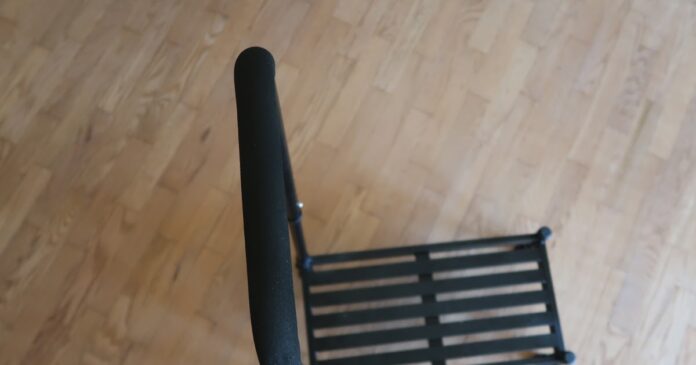
We recently bought a handicap step stool with a
grab bar from Amazon. The item listed “some assembly required.” I would
consider that a warning label, but my husband saw it only as an inconvenience.
The day the package arrived, he wanted to put the
pieces together. Being a typical man, he threw the instructions aside and began
assembling the step stool. After working on it for a while, we hit a snag when
we couldn’t, metaphorically speaking, get the square peg through the round
hole.
A few days later, we looked at it again. I started
trying to decipher the instructions, and realized that the part that was assembled
was put together wrong. We took all the pieces apart and methodically followed
the step-by-step instructions and successfully assembled the step stool.
“You know what this reminded me of?” I asked
Harold.
“When you and Jim put the tent together?” he
asked.
“Exactly!” I must have relayed that story during a
similar situation.
“Colorado” excerpt from Indelible,
unfinished memoir:
In retrospect, I could
measure the progression of Jim’s dementia by our annual trips to Colorado. In
1995, putting up the tent was a fiasco.
“This is the way it goes
together,” Jim said picking up a pole from the pile of different length rods.
We tried slipping the rods into the canvas only to find our final creation was
not a tent.
“Okay, now are you ready for
me to dig out the instructions?” I asked with as much patience as I could
muster.
“I guess so,” he said
grudgingly. Between the two of us, we managed to slide out the rods.
Even with directions, it was
hard to figure out what went where.
“That’s not right,” Jim insisted.
“Humor me.” I huffed and
puffed in the thin mountain air as I struggled with the poles.
After a lot of stress,
strain, and cuss words, our home away from home looked like a tent.
“Let’s get the equipment out of the van,” I
said.
Finally, camp was set up to
our liking, and we relaxed in our lawn chairs. Jim had always been the official
camp cook, and I really didn’t know how the stove worked. I watched him and
offered assistance when he couldn’t quite get things right. That year, I helped
with meal preparation. Overall, the
problems weren’t too bad and it didn’t discourage us.
The next year, we used the
tent for the last time. We had so much trouble setting up the tent that I
thought we weren’t going to get it done at all. Cooking on the camp stove was
too much of a challenge for Jim, so we stocked up on picnic supplies or ate in
Estes Park.
As hard as “some assembly required” is, when we
follow instructions, we can save ourselves unnecessary stress. Life with a
loved one who has dementia does not have step-by-step instructions. We cope by
learning all we can about Alzheimer’s, but at times, we have to rely on our
seat-of-the-pants skills.
In the real world, each person with dementia is a
unique person and may not have the same characteristics as the textbook
example. In addition, each care partner has a different level of skill,
patience, and perseverance.
Building our caregiver skills can feel as if we
are reading instructions in a foreign language. Sometimes we need to pause,
take another look, and start all over. Each day is a new day, and a caregiver
can build on personal experiences and proven best practices.
My goal was never to be the best caregiver in the
world; it was to be the best caregiver I could be. Sometimes, I was
discouraged. Sometimes, I was disappointed in myself. But most of all, when Jim
was fed, clean, and comfortable, I was satisfied that I had done my best.
Copyright © October 2024
by L.S. Fisher
http://earlyonset.blogspot.com