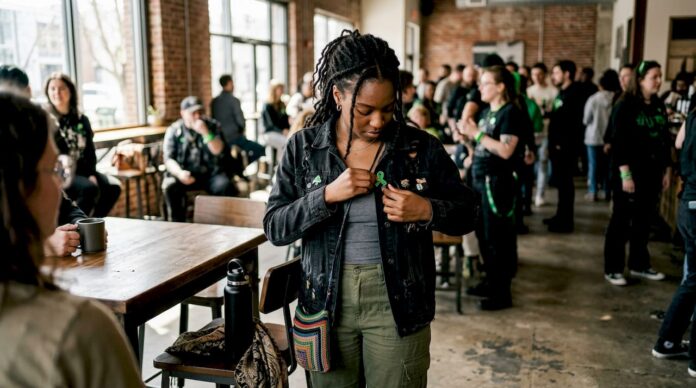
Accessorizing for mental health events is defined as the intentional selection of wearable items, from pins to tote bags, that signal support, spark conversation, and reduce stigma around mental illness. The most effective ways to accessorize for mental health events combine recognized awareness symbols, purposeful layering, and practical comfort choices. Green ribbons, enamel pins, and message-based apparel each serve a distinct role in making your presence at these events feel deliberate and meaningful. This guide walks you through every layer of that process, from choosing the right colors to avoiding the most common styling mistakes.
What are the key symbols and colors for mental health event accessories?
Green is the globally recognized color for mental health awareness, covering conditions including depression, anxiety, and PTSD. That single color choice does a lot of work before you say a word to anyone.
The most common symbolic accessories you will see at mental health events include:
- Green enamel pins or ribbon pins: Affordable, easy to attach to a jacket or bag, and immediately recognizable as mental health support. Bulk ribbon pin kits work well for groups attending together.
- Awareness bracelets: Silicone or beaded bracelets in green or with printed messages create a low-profile but consistent visual signal throughout the day.
- Message buttons: Small pinback buttons with direct phrases like “End the Stigma” or “Mental Health Matters” communicate your position without requiring a conversation.
- Tote bags with printed artwork: A tote bag doubles as a practical carry item and a visible statement piece. Schizophrenic designs tote bags specifically for this purpose, pairing bold graphic art with advocacy messaging.
Quality matters when you choose these pieces. A well-made enamel pin or a sturdy bracelet lasts through multiple events and repeated wear. Enamel pins and bracelets with clear mental health messages are both affordable and effective tools for raising awareness. They signal empathy and invite dialogue without demanding it.
Pro Tip: Pin your awareness ribbon or enamel pin at chest height on your left side. That placement sits naturally in most people’s line of sight during a handshake or conversation.
How can you creatively integrate mental health messages into fashion for events?
Mixing mental health awareness apparel with neutral basics keeps the advocacy message front and center without overwhelming your overall look. The graphic tee or hoodie carries the statement. The rest of your outfit supports it.
Here is a practical layering sequence that works for most mental health events:
- Start with a message base layer. Choose a graphic tee, tank top, or hoodie with a clear mental health message. Schizophrenic produces mental health graphic tees and hoodies designed to start conversations, not just fill a wardrobe.
- Add one statement accessory. A bold item like a green beaded necklace, a wide-brimmed hat in a neutral tone, or a printed crossbody bag adds dimension without competing with your base layer.
- Keep the rest neutral. Black jeans, white sneakers, or a simple cardigan let your message piece breathe. Clashing patterns or competing colors pull attention away from your cause.
- Layer a pin or button onto your outer layer. This adds a second, smaller advocacy signal that people notice up close during one-on-one moments.
- Choose accessories that reflect your communication style. If you are naturally talkative, a bold statement necklace invites questions. If you prefer quieter advocacy, a single enamel pin on a clean jacket works just as well.
Balancing bold accessories with understated neutral basics personalizes your look and supports effective messaging. Avoiding clashing tones and excessive layering keeps your presence approachable and elegant.
Pro Tip: Before you leave for the event, take a photo of your full outfit. If your eye goes straight to the message piece, the look is working. If it goes somewhere else first, simplify.

The “Fashion Fighting Stigma” initiative, active in 2026, uses fashion to transform silence into visibility around mental health. That principle applies directly to how you dress for these events. Every intentional choice you make contributes to a larger cultural shift.
What practical accessories enhance comfort at mental health events?
Mental health events often run for several hours. Comfort is not a compromise. It is a prerequisite for staying present and engaged throughout the day.
The table below compares accessory categories by function and advocacy value:
| Accessory category | Function | Advocacy value |
|---|---|---|
| Crossbody bag with compartments | Hands-free carry, organized storage | Can display pins or patches |
| Supportive sneakers | All-day comfort, reduces fatigue | Neutral base that pairs with any message piece |
| Insulated water bottle | Hydration, reduces event stress | Can be customized with mental health stickers |
| Portable charger | Device power throughout the day | Keeps you connected to event resources |
| Compact tote bag | Secondary carry for materials | High-visibility surface for printed advocacy messages |
For multi-hour wellness events, hands-free crossbody bags with multiple compartments help attendees stay engaged without physical burden. That freedom of movement matters when you are networking, attending panels, or participating in group activities.
Footwear is the most overlooked practical accessory at events. Supportive sneakers in a neutral color pair with virtually any mental health event outfit and prevent the physical fatigue that cuts engagement short. Save the fashion-forward footwear for shorter, seated events.
Pro Tip: Clip a small carabiner to your crossbody bag strap. It holds your water bottle, frees up bag space, and adds a casual, functional detail to your look.
How do accessories help you advocate and start conversations at mental health events?
Accessories act as conversation starters before you open your mouth. A well-placed pin, a printed tote, or a message bracelet gives other attendees a visible reason to approach you or ask a question.
The most effective advocacy accessories share three qualities:
- Clarity: The message is readable at a glance. “End the Stigma” or a green ribbon communicates instantly. Abstract designs require explanation, which slows the conversation.
- Positivity: Accessories that affirm support rather than highlight suffering invite more open dialogue. Phrases like “You Are Not Alone” or “Mental Health Matters” create connection rather than discomfort.
- Personal resonance: Wear what you actually believe in. Authenticity shows. If you are attending as a schizophrenia advocate, a Schizophrenic pin or tote bag signals your specific commitment and attracts people who share it.
Fashion is a powerful tool for empathy and social change. Research from the “Fashion Fighting Stigma” initiative shows that visible advocacy through fashion directly counters the silence that stigma creates. Wearing your support makes it real and public.
The key is balance. Choose one or two bold pieces rather than stacking every awareness item you own. A single statement tote bag paired with a clean outfit draws more sustained attention than a collection of competing accessories. You want people to remember the message, not the volume of items you wore.
If you are looking for guidance on what to wear to support mental health, the principle is simple: let one piece lead, and let everything else follow.
What mistakes should you avoid when accessorizing for mental health events?
Over-accessorizing is the most common mistake at advocacy events. When every item competes for attention, the message gets lost. The most effective strategy uses one or two bold, intentional pieces to keep the advocacy focus clear.
Here are the key mistakes to avoid, and what to do instead:
- Wearing too many statement pieces at once. Choose your lead accessory and let it do the work. A graphic tee plus a bold tote plus three pins plus a statement necklace creates visual noise, not impact.
- Ignoring comfort for style. An uncomfortable outfit shortens your event day. Prioritize supportive footwear and a practical bag before adding decorative elements.
- Forgetting your essentials kit. Experienced event attendees keep a compact “first hour” kit with sunscreen, a charger, water, and contact info separate from the main bag. This reduces stress during the high-stimulation opening of any event.
- Treating accessories as an afterthought. Stylist Sandra Conway recommends using accessories as the deliberate “edit” of your outfit, not a last-minute addition. Thoughtful accessorizing elevates your presence from casual attendee to purposeful advocate.
- Choosing accessories that conflict with your communication style. If you find large crowds draining, a quiet green pin is enough. You do not need to wear a billboard to be an effective advocate.
“Accessories are the critical finishing edit of any event outfit. Their thoughtful selection differentiates between looking assembled and looking purposefully engaged.”
— Sandra Conway, stylist
The goal is to look like you meant every choice you made. That intentionality communicates confidence, and confidence can get you anywhere at a mental health event.
Key Takeaways
The most effective mental health event accessorizing uses one or two intentional pieces, grounded in recognized awareness symbols like the green ribbon, to make support visible and invite genuine conversation.
| Point | Details |
|---|---|
| Green is the anchor color | Use green enamel pins, ribbons, or bracelets as your primary awareness signal. |
| One bold piece leads | Choose one statement accessory and keep the rest of your outfit neutral and clean. |
| Comfort enables advocacy | Hands-free bags and supportive sneakers keep you engaged for the full event. |
| Accessories start conversations | Clear, positive message pieces invite dialogue without requiring you to initiate it. |
| Avoid the afterthought trap | Plan your accessories with the same intention you give your outfit, not after it. |
What I have learned about dressing with purpose at mental health events
I have attended and spoken at a lot of mental health events. The thing that surprises people most is how much a single pin or a graphic tee changes the energy around you. People walk up to me because of what I am wearing. They see the Schizophrenic logo or a bold message piece and they want to talk. That conversation would not have happened if I had worn a plain shirt.
What I have come to believe is that fashion is not separate from advocacy. It is advocacy. When you wear something that names mental illness out loud, you are telling everyone around you that this topic is not shameful. That matters enormously, especially for people who are still hiding their own struggles. Research from the “Fashion Fighting Stigma” initiative confirms what I have felt firsthand: visible support through clothing reduces the silence that stigma feeds on.
My honest advice is to stop overthinking it. Pick one piece that genuinely represents what you believe. Wear it with confidence. The right people will find you because of it. And if you want to understand how mental health clothing lines actually work as advocacy tools, the answer is simpler than most people expect. It starts with one item worn with intention.
— Michelle
Accessories that carry the message forward
Schizophrenic designs every product with one goal: to make mental health visible and worth talking about. Whether you need a subtle entry point like a pinback button or a full statement look built around a graphic hoodie, the collection covers the full range of mental health event fashion.

The mental health awareness buttons are a strong starting point. They are affordable, easy to wear on any outfit, and carry direct messages that hold up in any event setting. For attendees who want to go further, the mental health tank tops and hoodies pair naturally with the layering approach covered in this guide. Every piece is designed to spark the kind of conversation that actually moves the needle on stigma. Shop the full collection at Schizophrenic.NYC and wear your support with confidence.
FAQ
What color represents mental health awareness at events?
Green is the globally recognized mental health awareness color, covering depression, anxiety, and PTSD. Wearing green accessories like enamel pins or ribbons immediately signals your support at any mental health event.
How many accessories should I wear to a mental health event?
One or two bold, intentional pieces deliver the clearest advocacy message. Over-accessorizing creates visual clutter and dilutes the focus on your cause.
What is the best bag for a mental health event?
A hands-free crossbody bag with multiple compartments keeps you organized and mobile during multi-hour events. It also provides surface space for pins, patches, or printed advocacy messages.
Can accessories really help reduce mental health stigma?
Yes. Visible accessories with clear mental health messages invite conversation and signal that the topic is not off-limits. The “Fashion Fighting Stigma” initiative documents how wearable advocacy transforms public silence into open dialogue.
What should I include in a first-hour essentials kit for a wellness event?
Pack a portable charger, sunscreen, an insulated water bottle, and your contact information in a small, separate pouch. Keeping these items accessible reduces stress during the high-energy opening hours of any event.
Recommended
Comments