So, settlement becomes a privilege that is earned, not a right, easier if you make a contribution, if you work, pay in, and help rebuild our country. – Keir Starmer
By the end of 2024, 123.2 million people in the world were forced to abandon the lives they had built for themselves and the people they love (UNHCR, 2024). A staggering 40% of those displaced were children. These people all have one thing in common: they are seeking a safe place for themselves and their families, which is, despite what Starmer suggests, a human right (United Nations, 1948). However, immigrants often don’t find a soft place to land and instead face the harsh reality of detention centres, a commonly used practice in the UK and worldwide to manage immigration (Griffiths & Walsh, 2024). So, what does life look like for the many children forced into this situation?
Research suggests that detention centres have a detrimental effect on immigrants’ mental health, with high levels of depression, anxiety and PTSD prevalent in the population (Verhülsdonk et al., 2021). Higher symptom scores have also been found in detained refugees when compared to non-detained refugees, further highlighting their harm (von Werthern et al., 2018).
In 2020, the UN described the detention of children as an “avoidable child rights violation” (González Morales, 2020, p. 20), and yet it is still a worldwide occurrence. There is widespread evidence that adverse childhood experiences can have long-term effects on children’s development and health (Timmins et al., 2025). In light of the above, Priestley et al. (2025) set themselves the task of collating and examining the available evidence on the impact of detention centres on children’s mental health in a systematic review.
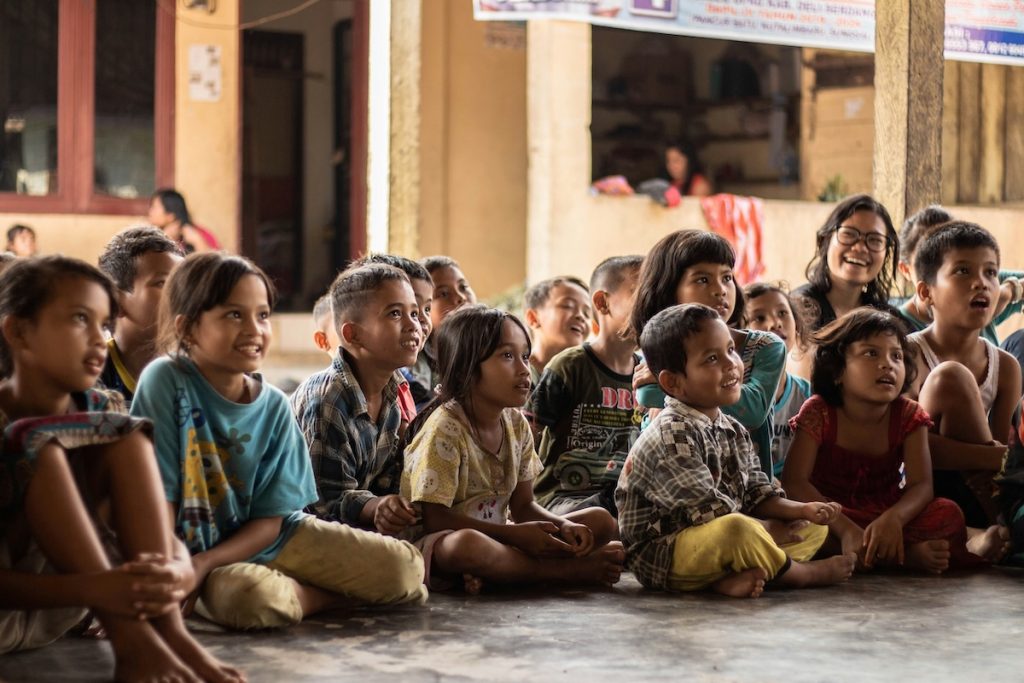
For 40% of displaced people who are children, the journey to safety often ends not in protection but in detention. How psychologically harmful is this?
Methods
The research team carried out comprehensive searches of PsycINFO, MEDLINE, Embase and the relevant grey literature. PRISMA guidelines were followed throughout the process.
Inclusion criteria included studies reported in English that (a) focused on participants 18 years old or younger, (b) took place in detention centres, (c) looked at mental health symptoms or disorders, and (d) reported quantitative data. The quality of the included studies was analysed using the Appraisal Tool for Cross-Sectional Studies.
Two reviewers then extracted the necessary data from the studies. This included:
- Age, gender, country of origin and destination country
- Type of detention (short/prolonged/protracted; held/non-held; indefinite/definite) and amount of time spent there
- Adverse events/psychosocial stressors (e.g. violence witnessed, parental mental health and separation from family)
- Study outcomes (assessment method, prevalence of mental health symptoms and diagnoses, and developmental and physical health concerns)
Severity of detention was assessed by detention type and duration. A random-effects model was used when carrying out the meta-analysis due to heterogeneity. This model accounts for variation in true effect sizes between studies and populations and provides an average estimate.
Results
Of the 1,190 articles identified in the search, 21 passed the inclusion criteria and were analysed. These studies comprised 9,620 children from eight different countries who were held in various detention settings. Nine of the studies were undertaken in Australia, with the other 12 set in the USA, the UK, Norway, Finland, the Netherlands, Denmark and Libya. Most studies were cross‑sectional and used convenience sampling. Assessments were mostly conducted using a clinical interview but other assessment measures, such as the Strengths and Difficulties Questionnaire (SDQ) were also used in several studies.
Overall mental‑health burden
Detention centres were shown to have a profoundly damaging impact on children’s mental health. In the six studies that specifically examined clinical disorders, data from 166 detained children were combined. The pooled prevalence estimates discovered that a shocking 42.2% met criteria for major depressive disorder and 32.0% for post-traumatic stress disorder (PTSD).
Prevalence of symptoms
Most studies in this review reported on the prevalence of mental health symptoms and altogether they included data from 8,726 children.
- Anxiety and low mood were uncommon in short, non‑held detention (5 % anxiety, 2 % low mood) but rose sharply (up to 100 %) in prolonged or indefinite settings.
- PTSD symptoms ranged from 17 % to 95 %, with the highest rates among children held for 3–18 months in prolonged detention.
- Sleep difficulties were reported in 15–100 % of cases, more frequent in prolonged or indefinite detention.
- Self‑harm prevalence varied from 4 % to 27 % but reached 80 % in a small clinical sample.
- Suicidal ideation was examined in three studies, all focusing on individuals in prolonged detention. Reported prevalence varied widely: 13% after 4–6 months, 100% after 12–18 months, and 55% after 2–2.7 years of detention.
Physical symptoms
Children’s physical health is also compromised by time spent in detention centres. Of the 7,898 children included in this data, 8-27% reported headaches, 16–91% noted abdominal pain, and broader somatic complaints were also frequent. Importantly, developmental concerns such as language delay and regression were also reported in 16–100 % of children.
Dose-Response Relationship
As highlighted above, any time spent in a detention centre is harmful to children’s mental health, but the severity or prevalence of symptoms often increases as the severity of the detention does. This dose-response relationship highlights that children in indefinite or protracted detention experience more difficulties with their mental, physical and developmental health.
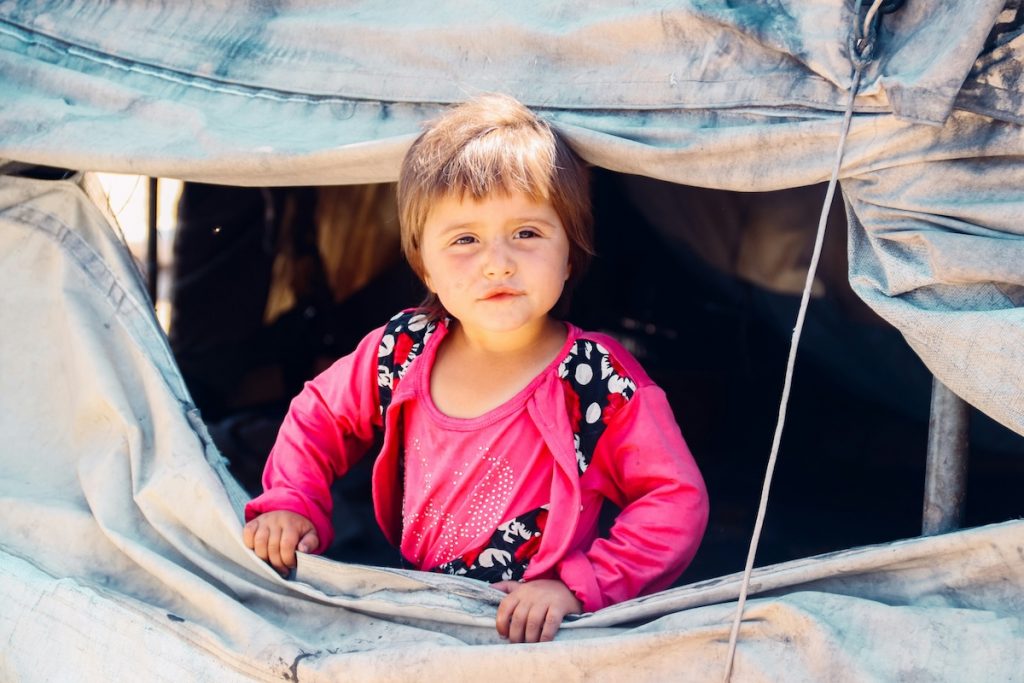
Across 21 studies and 9,620 children in eight countries, detention centres consistently produced high rates of mental disorder, with severity increasing alongside the restrictiveness and duration of detention.
Conclusions
Findings demonstrate that immigration detention has an undeniably negative effect on children’s mental health. This is true across detention centres of all types and severities, although children in more restrictive or harsher settings experienced a greater impact on their mental health. Children who spent longer periods in detention also experienced a greater mental health burden. The authors explicitly state that these findings demonstrate the need for trauma-informed interventions and treatments to support those who have experienced immigration detention. Moreover, the authors strongly advocate for the abolition of immigration detention, particularly for children and families seeking safety.
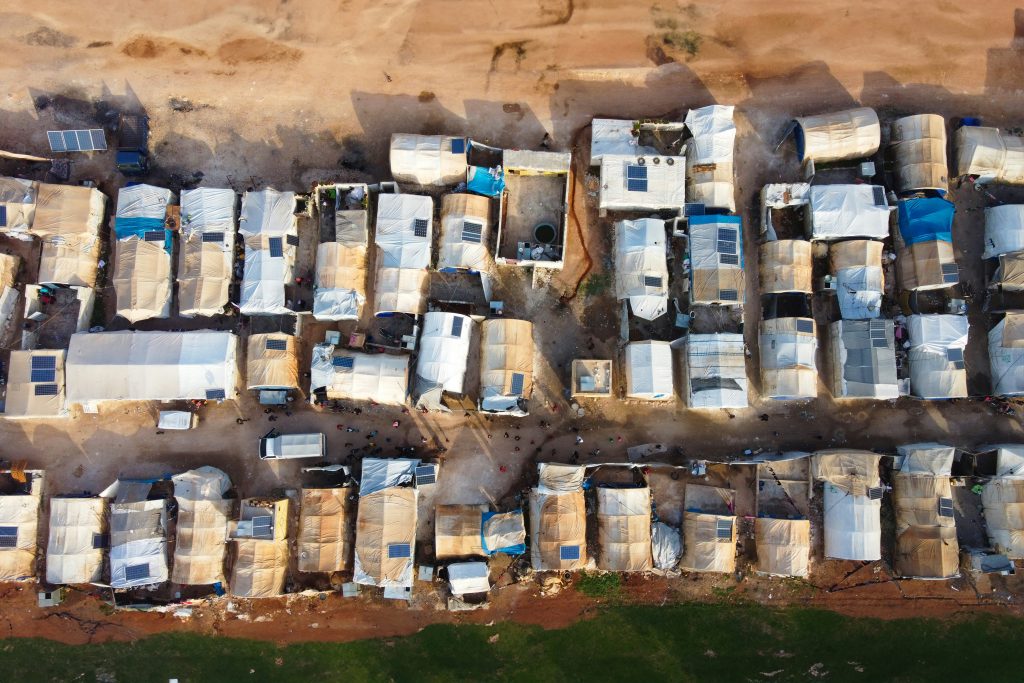
The study concludes that no form or duration of immigration detention is safe for children, calling for its abolition and the development of culturally appropriate trauma-informed care.
Strengths and limitations
This systematic review is the first to examine the mental health outcomes of children across such a broad range of detention centre settings. By including such diverse settings, they were able to suggest a dose-response relationship between the severity and duration of detention and its impact on mental health. However, this relationship was interpreted from the data and has not yet been empirically tested.
However, examining such different detention settings inevitably increases heterogeneity. To address this, Priestley et al. utilised a random-effects model which incorporates both within-study and between-study variance. Importantly, this model also limits the dominance of larger studies by giving relatively more balanced weight to smaller studies. This is relevant in this research as some studies had smaller sample sizes. While the use of a random-effects model does not allow the results to be generalised to all populations (particularly with the especially high heterogeneity observed), it does improve generalisability compared with a fixed-effect model and is a strength of this research.
The inclusion of grey literature poses as another strength of this research but also presents challenges as it is prone to selective reporting and political bias. Furthermore, the authors acknowledged that publication bias could not be reliably assessed due to the small number of available studies; this may have skewed the results.
Many studies in the review also collected data using measurement tools which may not capture cultural differences and manifestations of mental health. For instance, the SDQ does not always capture anticipated psychopathology in child refugee populations (Hanes et al., 2017). The cultural validity of how we conceptualise certain disorders, such as PTSD, is also questioned at times. A Eurocentric framework of PTSD is often placed on non-Western populations, and this does not account for cultural manifestations of distress, such as avoidance (Gilmoor et al., 2019). This suggests that the prevalence of certain disorders, such as PTSD, in detained children may be over- or under-estimated, depending on how the disorder presents in the individual. It prompts the question: are we truly capturing the full extent of the distress experienced by children in detention centres?

The review is limited by cross-sectional designs, convenience sampling, and assessment tools that may not capture culturally diverse expressions of distress.
Implications for practice
The WHO define child maltreatment as anything “which results in actual or potential harm to the child’s health, survival, development or dignity in the context of a relationship of responsibility, trust or power” (WHO, 2024, para. 1). Families and children fleeing persecution and war are placing their trust in countries, such as the UK, to grant them safety. Detention centres provide the opposite of this, and the findings of this study undoubtedly highlight the psychological harm that they have on children. Based on this, it is unsurprising that the main message of this study is that the detention of immigrants, especially children, must be abolished.
However, in the UK, evidence suggests that we are no closer to seeing the closure of detention centres. In fact, at the time of writing this (8th Dec 2025), the Campsfield Immigration Removal Centre (IRC) in Oxfordshire has just been opened. David Hanson, Minister of State, notes that this is part of a larger plan to expand detention centres to have the capacity to detain 1,000 more immigrants (Home Office, 2025).
We must also consider how we can provide the best psychological care to children after they have experienced time in immigration detention. As mentioned earlier, oftentimes we understand the symptoms of mental ill-health through a Eurocentric lens. This does not help treat people from different cultures, and novel research methods are warranted to create appropriate interventions. Body mapping, where participants collaboratively draw, paint, and collage on life‑size silhouettes to visually capture experiences, has been shown to break down cultural and linguistic barriers (Brigidi, 2025). This would help understand the lived experience of detention and would inform appropriate interventions. Body mapping could also be helpful when working with children who do not yet have the language to express their experiences and feelings. Methods like these can shine a light on the support children are seeking rather than what clinicians assume they need.
It’s time we start helping children who are seeking safety. Current immigrant detention practises must be abolished and supports must be put in place to relieve the undeniable damage they have caused. Children deserve better.

As the UK opens new detention facilities, this evidence base demands a fundamental rethink; community-based alternatives and culturally appropriate psychological support must replace a system shown to cause serious harm.
Statement of interest
Ava Hickey has no conflicts of interest to disclose.
Edited by
Dr Dafni Katsampa
Links
Primary Paper
Isabella Priestley, Sarah Cherian, Georgia Paxton, Zachary Steel, Peter Young, Hasantha Gunasekera and Caroline Hunt (2025). The impact of immigration detention on Children’s Mental Health: Systematic Review. The British Journal of Psychiatry, 227(6), 870–879. https://doi.org/10.1192/bjp.2025.29
Other References
Brigidi, S. (2025). Group body mapping: Exploring intersectional aspects of obstetric violence through embodiment—experiences of migrant women in situations of vulnerability. Qualitative Health Research. https://doi.org/10.1177/10497323251316444
Gilmoor, A. R., Adithy, A., & Regeer, B. (2019). The cross-cultural validity of post-traumatic stress disorder and post-traumatic stress symptoms in the Indian context: A systematic search and review. Frontiers in Psychiatry, 10. https://doi.org/10.3389/fpsyt.2019.00439
González Morales, F. (2020). Ending immigration detention of children and providing adequate care and reception for them (Report A/75/183). United Nations
Griffiths, M. B. E., & Walsh, P. W. (2024). Immigration detention in the UK (Migration Observatory Briefing).University of Oxford
Hanes, G., Sung, L., Mutch, R., & Cherian, S. (2017). Adversity and resilience amongst resettling Western Australian Paediatric Refugees. Journal of Paediatrics and Child Health, 53(9), 882–888. https://doi.org/10.1111/jpc.13559
Home Office. (2025, December 8). Campsfield Immigration Removal Centre (Statement UIN HLWS1134). UK Parliament
Timmins, K. A., MacDonald, R., Beasley, M., & Macfarlane, G. J. (2025). Adverse childhood experiences and health at age 50 years in the National Child Development Study. JAMA Network Open, 8(8).https://doi.org/10.1001/jamanetworkopen.2025.25708
UNHCR. (2024). Global Trends: Forced Displacement in 2024. UNHCR.
United Nations. (1948). Universal Declaration of Human Rights. United Nations
Verhülsdonk, I., Shahab, M., & Molendijk, M. (2021). Prevalence of psychiatric disorders among refugees and migrants in immigration detention: Systematic review with Meta-analysis. BJPsych Open, 7(6).https://doi.org/10.1192/bjo.2021.1026
von Werthern, M., Robjant, K., Chui, Z., Schon, R., Ottisova, L., Mason, C., & Katona, C. (2018). The impact of immigration detention on Mental Health: A Systematic Review. BMC Psychiatry, 18(1). https://doi.org/10.1186/s12888-018-1945-y
World Health Organisation (WHO). (2024). Child Maltreatment. WHO. https://www.who.int/news-room/fact-sheets/detail/child-maltreatment