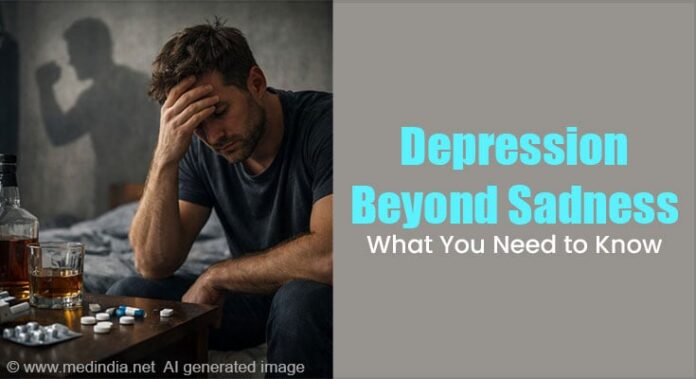
Externalizing depression symptoms identified using MDRS-22 are associated with higher psychological burden, a 2026 study reports.
- High masculine depression scores (measured using MDRS-22) linked to greater psychological distress (p
- Masculine depression includes externalizing symptoms such as anger, substance use, and emotional suppression
- Similar masculine depression patterns observed in both men and women
Depression may not always present as sadness.
A 2026 case-control study involving 163 depressed inpatients and 176 healthy controls found that individuals with higher scores on the Male Depression Risk Scale (MDRS-22) had significantly greater psychological distress across multiple domains (B = 0.107, p 1✔ ✔Trusted Source
Masculine depression and acute mental health burden
Go to source
).These findings suggest that depression expressed through behaviors such as anger, substance use, and risk-taking may be linked to a higher overall mental health burden.
Externalizing Symptoms in Depression
Masculine depression describes a pattern of depression in which distress is expressed through externalizing symptoms such as anger, aggression, irritability, emotional suppression, and substance use, rather than typical low mood.
This pattern is often linked to behavioral tendencies such as self-reliance and reluctance to seek help, which can contribute to under recognition and delayed diagnosis.
Unlike traditional presentations that emphasize sadness and withdrawal, masculine depression reflects outward behavioral responses to psychological distress. These symptoms may be overlooked in routine clinical assessments, further contributing to under recognition.
What Is Male Depression Risk Scale (MDRS-22)?
The Male Depression Risk Scale (MDRS-22) is a validated 22-item screening tool used to identify externalizing depressive symptoms over the past month.
It captures behavioral and physical indicators that may not be detected using conventional depression screening tools.
Core domains assessed by MDRS-22:
| Domain | Description |
|---|---|
| Substance Use | Alcohol and drug-related coping behaviors |
| Anger & Aggression | Irritability and aggressive reactions |
| Risk-taking | Impulsive or unsafe actions |
| Emotional Suppression | Difficulty expressing emotions |
| Somatic Symptoms | Physical complaints such as headaches and body pain |
| Avoidant Coping | Reluctance to seek help |
MDRS-22 scoring instructions:
Participants rate how often each experience occurred over the past month.
MDRS-22 items:
| No. | Statement |
|---|---|
| 1 | I bottled up my negative feelings |
| 2 | I covered up my difficulties |
| 3 | I drank more alcohol than usual |
| 4 | I drove dangerously or aggressively |
| 5 | I had more heartburn than usual |
| 6 | I had regular headaches |
| 7 | I had stomach pains |
| 8 | I had to work things out by myself |
| 9 | I had unexplained aches and pains |
| 10 | I needed alcohol to help me unwind |
| 11 | I needed to have easy access to alcohol |
| 12 | I overreacted to situations with aggressive behavior |
| 13 | I sought out drugs |
| 14 | I stopped caring about the consequences of my actions |
| 15 | I stopped feeling so bad while drinking |
| 16 | I stopped feeling so bad while drinking |
| 17 | I tried to ignore feeling down |
| 18 | I used drugs to cope |
| 19 | I verbally lashed out at others without being provoked |
| 20 | I was verbally aggressive to others |
| 21 | It was difficult to manage my anger |
| 22 | Using drugs provided temporary relief |
MDRS-22 score interpretation:
| Total Score | Risk Level |
|---|---|
| 0 – 31 | Low risk |
| 32 – 50 | Elevated risk |
| 51 – 86 | High risk |
| 87 or higher | Extreme risk |
Note: This tool is for educational purposes and not a standalone diagnostic method. Individuals with concerning symptoms should consult a qualified mental health professional.
Study Design and Key Findings
This case-control study included adults from Germany, with 44 percent female participants.
Depression severity was assessed using validated instruments, including the Symptom Checklist-90-Revised and Beck Depression Inventory-II.
Key findings included: Higher MDRS-22 scores were associated with increased overall psychological distress (p
These associations were not influenced by biological sex, indicating similar symptom patterns in both men and women.
Why These Symptoms Matter Clinically
Externalizing symptoms are clinically important because they may increase health risks and delay care. Individuals with these patterns may not recognize their symptoms as depression.
These symptoms are associated with:
- Higher substance misuse
- Reduced help-seeking behavior
- Greater overall psychiatric burden
Early recognition may support more accurate diagnosis and timely intervention.
Study Limitations and Context
The findings should be interpreted with caution. The study was conducted in an inpatient population, which may limit how broadly the results apply to the general community. Individuals who do not seek care, particularly those with externalizing symptoms, may be underrepresented. In addition, the cross-sectional design means the results show associations rather than cause-and-effect relationships.
What This Means for Mental Health Care
Masculine depression represents an underrecognized presentation of depression linked to higher psychological distress.
Identifying externalizing symptoms using tools such as the MDRS-22 may improve detection and support more comprehensive mental health care in both men and women.
References:
- Masculine depression and acute mental health burden
– (https://www.nature.com/articles/s41598-026-44727-7) - Assessing age invariance of the Male Depression Risk Scale-22 in younger and older adult males
– (https://pubmed.ncbi.nlm.nih.gov/38940683/)
Source-Medindia