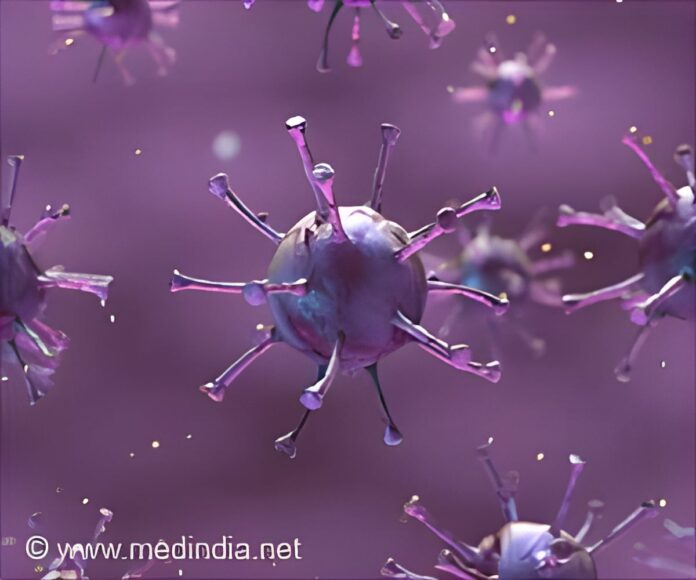
Is the BA.3.2 COVID variant dangerous? Experts say there’s no evidence of higher severity or major risk so far.
The Global Virus Network (GVN), a worldwide consortium of leading human and animal virologists spanning more than 90 centers across 40+ countries, is currently tracking the SARS-CoV-2 subvariant BA.3.2—occasionally dubbed the “cicada” variant in media coverage.
Experts say that, based on available data, there is no indication of increased risk or reason for public concern at this time.
What Is the BA.3.2 “Cicada” Variant and How Does It Evade Immunity?
BA.3.2 is a sublineage of the Omicron variant of SARS-CoV-2 that is being tracked through global genomic surveillance systems. Early analyses, including technical assessments by international public health authorities and emerging laboratory studies, indicate that BA.3.2 exhibits antibody escape characteristics, likely driven by mutations in the viral spike protein, the primary target of immune responses.
While immune escape may increase the likelihood of infection or reinfection, it does not imply reduced protection against severe disease. These changes are consistent with the expected evolution of SARS-CoV-2 and other respiratory viruses.
Importantly, there is currently no evidence that BA.3.2 is associated with increased disease severity or is driving sustained growth in population-level transmission.
The term “cicada” is not a scientific designation and has no biological connection to insects. It is an informal nickname used in some media coverage to describe the variant’s apparent re-emergence after a period of limited detection and does not indicate a new mode of transmission or a fundamentally different type of virus.
Why Continued Surveillance and Vigilance Matter for the BA.3.2 “Cicada” Variant
Rather than signaling a new threat, BA.3.2 reinforces the importance of sustained vigilance. Key priorities remain:
- Sustained genomic and wastewater surveillance
- Continued monitoring of viral evolution and immune escape
- Maintaining readiness in healthcare and public health systems
- Clear, evidence-based communication to the public
Individuals should continue to follow established public health guidance:
- Stay up to date with recommended COVID-19 vaccinations
- Practice good hygiene and respiratory precautions when appropriate
- Seek testing and medical advice if experiencing symptoms
The Global Virus Network will continue to monitor BA.3.2 and other emerging variants and will provide updates as additional data become available. Source-Eurekalert