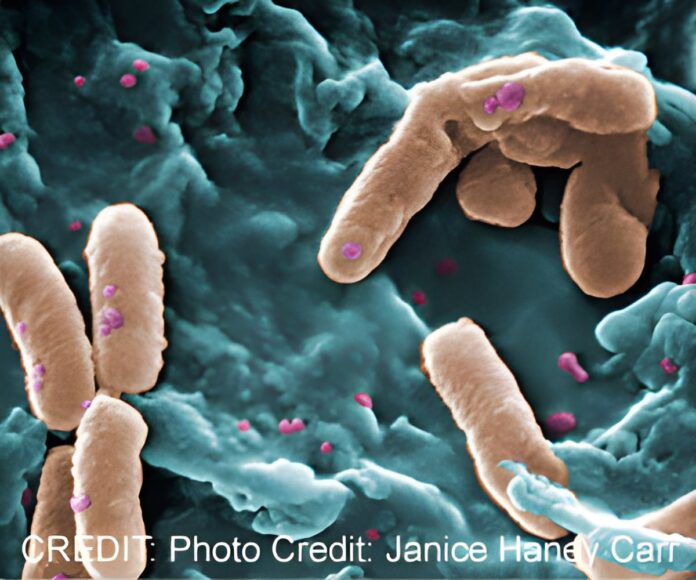
Drug-resistant Shigella cases are increasing, with limited treatment options and higher hospitalization rates, highlighting public health risks.
- Drug resistant Shigella cases increased from 0% to 8.5% between 2011 and 2023 in CDC surveillance data
- Antibiotic-resistant Shigella infections led to 37.6% hospitalization among reported cases
- Shigellosis with HIV co-infection was observed in 46.6% of patients with available clinical data
A recent observational surveillance analysis has identified a sustained increase in extensively drug-resistant (XDR) Shigella infections in the United States, raising concerns about limited treatment options and potential public health impact. The findings, published in the Morbidity and Mortality Weekly Report (MMWR), highlight evolving resistance patterns and a shift in affected populations (1✔ ✔Trusted Source
Emergence of Extensively Drug-Resistant Shigellosis – United States, 2011-2023
Go to source
).
Rising Drug-Resistant Shigella Cases in Surveillance Data
The analysis evaluated national surveillance data from January 2011 to October 2023 using whole-genome sequencing and antimicrobial susceptibility testing. A total of 16,788 Shigella isolates with resistance data were examined.
Of these, 510 isolates (3.0%) were classified as extensively drug-resistant. The proportion of XDR strains increased from 0% during 2011–2015 to 8.5% in 2023.
Key observations included:
- Most cases (86.2%) were in men
- About 38% needed hospital care
- Nearly half (46.6%) of those with available data also had HIV, showing a higher risk in certain groups
Among 116 individuals with available clinical data, 46.6% had HIV co-infection, indicating a higher burden in specific high-risk groups.
Why Is Extensively Drug-Resistant Shigella a Growing Concern?
Shigella is a gram-negative bacterium that causes shigellosis, an infectious gastrointestinal illness typically presenting with diarrhea, fever, and abdominal cramps within 1 to 3 days of exposure.
XDR Shigella strains are resistant to commonly used antibiotics, including ampicillin, azithromycin, ciprofloxacin, ceftriaxone, and trimethoprim-sulfamethoxazole. This significantly limits available treatment options.
Importantly, no Food and Drug Administration (FDA)-approved oral antimicrobial agents are currently available for treating XDR Shigella infections, complicating routine management.
Additionally, resistance genes may spread to other enteric bacteria, contributing to the broader challenge of antimicrobial resistance.
Shigella Transmission Patterns and Changing Risk Profile
Shigella spreads through contaminated food, water, and direct person-to-person contact, particularly in settings with inadequate hygiene. Infection can occur with as few as 10 organisms, enabling rapid transmission.
Recent surveillance trends suggest a shift from predominantly pediatric cases to increased incidence among adults, particularly men. Most cases were reported without recent travel history, indicating domestic transmission.
The association with HIV co-infection highlights the role of immune status in susceptibility and disease severity.
Prevention Strategies to Reduce Shigella Spread
Public health measures remain essential in controlling transmission:
- Wash hands thoroughly after using the toilet and before handling food
- Follow safe food and water practices
- Avoid ingesting contaminated water
- Avoid sexual contact during and shortly after infection
Supportive care, including oral rehydration solutions (ORS), remains important for managing symptoms and preventing complications.
Study Limitations
The findings are based on observational surveillance data, which limits causal interpretation. Data completeness varied for some demographic and clinical variables, and findings may not fully represent global epidemiological patterns.
Public Health Implications
The rising prevalence of drug-resistant Shigella underscores a growing antimicrobial resistance challenge.
Strengthened surveillance, timely reporting, and targeted prevention strategies are essential to limit transmission and reduce disease burden.
Frequently Asked Questions
Q: What is extensively drug-resistant Shigella?
A: It refers to Shigella strains resistant to multiple commonly used antibiotics, making infections difficult to treat.
Q: How does Shigella infection spread?
A: It spreads through contaminated food, water, and direct contact, especially in areas with poor hygiene.
Q: Who is most at risk of severe Shigella infection?
A: Young children, older adults, and immunocompromised individuals, including those with HIV, are at higher risk.
Q: What are the symptoms of shigellosis?
A: Symptoms include diarrhea, fever, abdominal pain, and sometimes blood in stools.
Q: How can Shigella infection be prevented?
A: Handwashing, safe food practices, and avoiding contaminated water sources are key preventive measures.
Reference:
- Emergence of Extensively Drug-Resistant Shigellosis – United States, 2011-2023 – (https://www.cdc.gov/mmwr/volumes/75/wr/mm7513a1.htm)
Source-Medindia