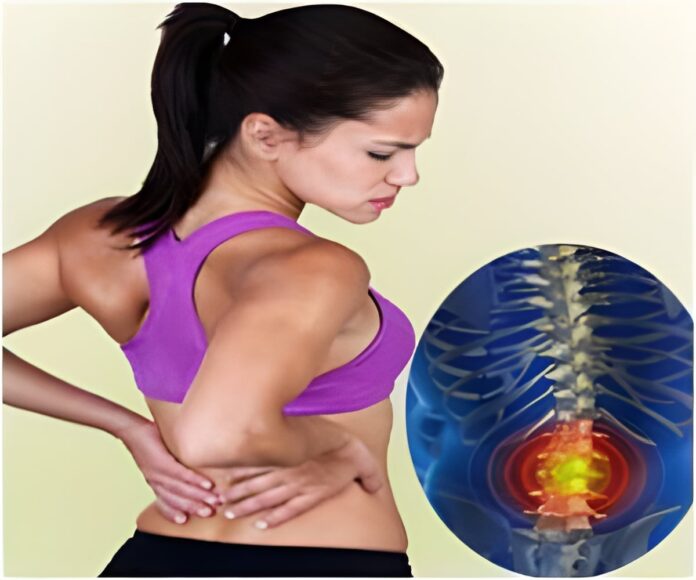
Most slipped discs heal without surgery if treated correctly and on time.
- Most slipped discs improve with non surgical treatment and time
- Surgery is needed only in severe or complicated cases
- Early care and lifestyle changes can support recovery and prevention
A slipped disc, also known as a herniated or prolapsed disc, is a common spinal condition. It occurs when the soft inner portion of a spinal disc pushes through its outer layer. This can press on nearby nerves and cause pain, numbness, or weakness (1). Many people assume that surgery is the only solution for this condition. However, evidence shows that most slipped discs do not require surgery and improve with conservative care (2).
Medical experts emphasize that treatment depends on the severity of symptoms and functional impact. In many cases, the body can gradually heal the affected disc over time. Non-surgical approaches are often effective in reducing pain and restoring mobility. Understanding the condition helps reduce fear and unnecessary interventions. Recognizing non-surgical recovery is important for informed decisions.
Common Symptoms Of Slipped Disc And Nerve Compression
Symptoms of a slipped disc vary depending on the location and severity of the problem. Common signs include lower back pain, neck pain, and radiating pain in the arms or legs. Some individuals may also experience tingling, numbness, or muscle weakness. These symptoms occur due to pressure on nearby nerves. Understanding nerve compression symptoms helps in early identification.
Pain may worsen with certain movements such as bending, lifting, or prolonged sitting. In some cases, symptoms may improve with rest and posture correction. Severe symptoms like loss of bladder control or significant weakness require urgent attention. Recognizing warning signs is essential for timely care. Being aware of serious symptoms can prevent complications.
Non Surgical Treatment Options For Slipped Disc
Most cases of slipped disc can be managed with non surgical treatments. These include rest, physical therapy, pain medications, and lifestyle modifications. Physiotherapy plays a key role in strengthening muscles and improving spinal support (3). Exercises can help relieve pressure on nerves and reduce symptoms. Understanding conservative treatment options provides reassurance to patients.
Other approaches, such as heat therapy, posture correction, and activity modification, can also help with recovery. Doctors may recommend anti-inflammatory medications to manage pain and swelling. Gradual return to normal activities is encouraged as symptoms improve. These methods are effective for a majority of patients. Recognizing rehabilitation importance supports long-term recovery.
When Surgery May Be Needed For Slipped Disc
Surgery is considered only in specific situations where conservative treatment fails or symptoms are severe. Persistent pain that does not improve after several weeks may require further evaluation. Progressive weakness or nerve damage may also indicate the need for surgical intervention. Emergency symptoms such as loss of bowel or bladder control require immediate attention. Understanding surgical indications helps in timely decision-making.
The goal of surgery is to relieve pressure on the affected nerve and restore function. Procedures are usually recommended after careful assessment by specialists. Not all patients are suitable candidates for surgery. Decisions are based on individual conditions and overall health. Recognizing limited need for surgery helps avoid unnecessary procedures.
Recovery And Healing Time For Slipped Disc
Recovery time for a slipped disc varies depending on the severity and treatment approach. Many individuals experience improvement within a few weeks with proper care. The body has the ability to heal and adapt over time. Following medical advice and maintaining consistency in treatment is important. Understanding healing process helps set realistic expectations.
Regular exercise and proper posture can support recovery and prevent recurrence. Avoiding heavy lifting and sudden movements is also recommended. Long-term lifestyle changes play a key role in spinal health. Patience and adherence to treatment plans are essential for success. Recognizing gradual recovery is important for better outcomes.
How To Prevent Slipped Disc And Maintain Spine Health
Preventing a slipped disc involves maintaining a healthy lifestyle and proper body mechanics. Regular physical activity helps strengthen the muscles that support the spine. Maintaining correct posture during sitting and standing reduces strain on the back. Avoiding prolonged inactivity is also important for spinal health. Understanding spine care habits supports prevention.
Weight management and ergonomic practices can further reduce the risk of disc problems. Using proper lifting techniques helps prevent injury. Staying active and mindful of body movements can protect the spine over time. These simple habits can make a significant difference. Recognizing preventive measures helps maintain long-term health.
Frequently Asked Questions
Which doctor should I consult for a slipped disc?
You should consult an orthopedic specialist or a neurologist for proper evaluation of a slipped disc.
Do all slipped discs require surgery?
No, most slipped disc cases improve with conservative treatment and do not need surgery.
How long does it take to recover from a slipped disc?
Recovery from a slipped disc may take a few weeks to months, depending on severity and treatment.
Can exercise help a slipped disc?
Yes, guided physiotherapy exercises can improve strength and reduce symptoms of a slipped disc.
What are the warning signs that need urgent care?
Loss of bladder control or severe weakness requires immediate medical attention.
References:
- Overview: Slipped disc
(InformedHealth.org [Internet]. Cologne, Germany: Institute for Quality and Efficiency in Health Care (IQWiG); 2006-. Overview: Slipped disc. [Updated 2023 Jul 19]. Available from: https://www.ncbi.nlm.nih.gov/books/NBK279472/) - Slipped disc: Learn More – Surgery for a slipped disc
(InformedHealth.org [Internet]. Cologne, Germany: Institute for Quality and Efficiency in Health Care (IQWiG); 2006-. Slipped disc: Learn More – Surgery for a slipped disc. [Updated 2023 Jul 19]. Available from: https://www.ncbi.nlm.nih.gov/books/NBK279471/) - Non-Surgical Approaches to the Management of Lumbar Disc Herniation Associated with Radiculopathy: A Narrative Review
(El Melhat AM, Youssef ASA, Zebdawi MR, Hafez MA, Khalil LH, Harrison DE. Non-Surgical Approaches to the Management of Lumbar Disc Herniation Associated with Radiculopathy: A Narrative Review. J Clin Med. 2024 Feb 8;13(4):974. doi: 10.3390/jcm13040974. PMID: 38398287; PMCID: PMC10888666.)
Source-Medindia
Editorial Note:The growing spread of health misinformation, particularly on social media, is a serious concern. Medindia is committed to exposing medical misinformation and providing evidence-based clarity on what is real and what is not.