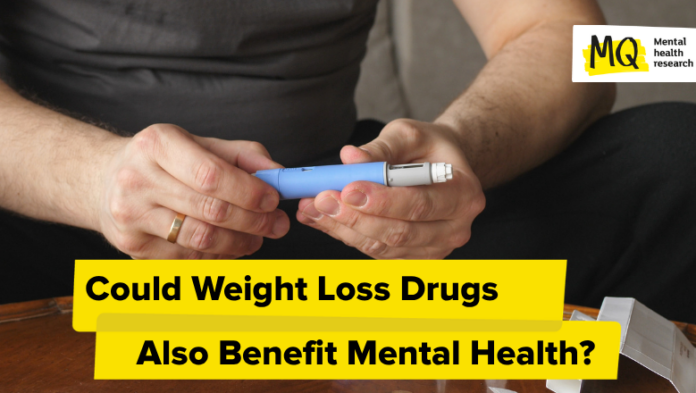
A large study of nearly 100,000 people suggests that medications commonly used to treat type 2 diabetes and obesity may also be associated with lower rates of depression, anxiety, substance use problems, and psychiatric hospital care.
Medications such as Ozempic and Wegovy have become widely known for their role in managing diabetes and supporting weight loss. However, new research published in The Lancet Psychiatry suggests these drugs may also be linked to improvements in mental health.
Researchers from the University of Eastern Finland, Karolinska Institutet, and Griffith University found that people taking GLP-1 receptor agonists experienced fewer psychiatric hospital visits and less time off work due to mental health conditions.
Tracking Mental Health Outcomes Over Time
To investigate the relationship, researchers analysed data from Swedish national health registers, following nearly 100,000 people between 2009 and 2022. More than 20,000 participants had used GLP-1 medications during that period.
The study compared individuals’ mental health outcomes during periods when they were taking the medication with periods when they were not. This allowed the researchers to examine whether the use of GLP-1 drugs was associated with changes in psychiatric health over time.
Fewer Cases of Depression, Anxiety, and Psychiatric Care
The researchers found that GLP-1 medications, particularly semaglutide, the active ingredient in Ozempic and Wegovy, were linked to significantly better mental health outcomes.
During periods of semaglutide use, psychiatric hospital care and sickness absence related to mental health were 42% lower than during periods when individuals were not taking the medication. Depression risk was 44% lower, while anxiety disorders were reduced by 38%.
The study also found that hospital care and sickness absence related to substance use disorders were 47% lower during periods of semaglutide use. In addition, GLP-1 receptor agonists were associated with a lower risk of suicidal behaviour.
Commenting on these findings, Professor Mark Taylor from Griffith University said:
“An earlier study examining Swedish registers found the use of GLP-1 medications to be associated with a reduced risk of alcohol use disorder. Alcohol-related problems often have downstream effects on mood and anxiety, so we expected the effect to be positive on these as well.”