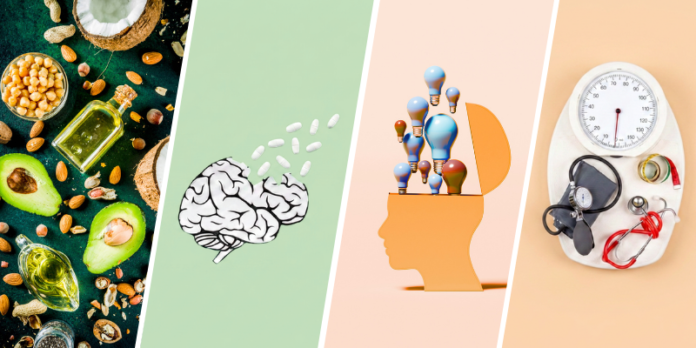
New research explores keto therapy for mood, lithium’s dementia link, hypomania and creativity, and metabolic health.
Key Takeaways
- In a first-of-its-kind randomized controlled trial, a ketogenic diet gradually improved mental health symptoms and metabolic markers, such as blood sugar, in some people with bipolar 1 disorder or schizophrenia.
- People who start lithium have an 18.5 percent lower risk of early-onset dementia, compared with those who take valproate.
- Hypomania can increase the number of creative ideas people have, but it often lowers the quality of those ideas, due to reduced impulse control.
- People with bipolar disorder who have insulin resistance face a higher risk of suicide and have poorer white matter health in their brains than those with major depression.
- Peer-led support groups offer connection, hope, and useful tips for daily life that clinical care may not always provide.
Research on bipolar disorder moves fast, and separating solid findings from hype isn’t easy. Plenty of ideas circulate as common wisdom or viral memes, but few get checked against the evidence. This month, new studies offer key findings in five important areas. Here’s what the researchers found — and what it means for you.
Can a Ketogenic Diet Reduce Psychosis and Depression Symptoms in Bipolar Disorder?
A landmark clinical study published in Schizophrenia Bulletin offers the first randomized controlled trial evidence on a ketogenic diet — known clinically as ketogenic metabolic therapy — in people living with bipolar 1 disorder with psychotic features or schizophrenia, examining both mental health and metabolic effects.
California-based researchers compared 28 people on a high-fat, low-carb diet with 30 people eating their regular diet. After one month, the ketogenic group saw significant improvements in weight and blood sugar. Participants could then continue with or switch to the keto diet. By four months, the 25 who stayed on it also showed better thinking skills, fewer psychotic symptoms like hallucinations, less low motivation, and less depression.
Interestingly, when researchers checked whether depression improvements were linked to ketosis or weight loss, only ketosis showed a significant link, meaning weight changes alone didn’t explain it. The trial was funded in part by the National Institute of Mental Health and the Baszucki Group, a philanthropic organization that funds ketogenic-diet research for mental illness.
What This Means for You
- Changing how the brain gets energy may change mental health symptoms. Participants’ depression symptoms got better the more time they spent with their blood ketones in a therapeutic range, according to this analysis.
- Benefits build gradually. While blood sugar and insulin showed early signs of improvement after one month, mental health improvement lagged.
- More research is underway. While this trial alone isn’t enough to set formal guidelines, many metabolic psychiatry specialists already offer a supervised ketogenic diet alongside medication for treatment-resistant bipolar disorder, given the diet’s low risk under proper monitoring.
Does Lithium Lower the Risk of Early-Onset Dementia?
A large study appearing in the Journal of Affective Disorders compared two common medications for bipolar disorder to see how they impact the risk of early-onset dementia. A Taiwanese research team analyzed the global health records of more than 82,000 people with bipolar disorder, comparing those who started lithium to those who started valproate (Depakote). The researchers tracked participants’ medical records for five years after starting one of the medications to see how many in each group went on to develop dementia.
The findings suggest that taking lithium was linked with an 18.5 percent lower risk of developing dementia, compared with valproate. The association was strongest for women, people without diabetes, and those with good kidney function.
What This Means for You
- Lithium may protect your brain. These results add to other scientific evidence suggesting that lithium has brain-protecting effects.
- Careful monitoring is necessary. Despite lithium’s potential cognitive benefits, there are valid reasons your provider may recommend a different medication for you.
Does Hypomania Increase Creativity in Bipolar Disorder?
Some say that the racing thoughts that come with hypomania have one perk: increased creativity. But is that actually true? To find out, experts rated how well 468 people, with and without bipolar disorder, did on a creativity test. A Finnish researcher analyzed the results to see how hypomanic traits impacted the number and quality of creative ideas.
The study, published recently in the Journal of Psychiatric Research, found that while hypomania was linked with a higher number of ideas, the quality of those ideas was lower. The group with hypomanic traits also struggled more with impulse control. The results suggest that weaker impulse control could help explain why the quality of their ideas was lower, even with more ideas produced overall.
What This Means for You
- Hypomanic traits may give you more ideas. This finding aligns with a common symptom of hypomania, racing thoughts.
- Idea quality doesn’t necessarily increase. These results suggest that the quality of those ideas, however, is poorer than in people not experiencing hypomanic traits, partly due to weaker impulse control.
- Treating hypomania likely won’t hurt your creativity. This study found no link between hypomania and better creative quality.
How Does Insulin Resistance Impact Suicide Risk in Bipolar Disorder?
A new study published in Bipolar Disorders reveals how bipolar disorder affects the entire body, highlighting a link between metabolic health, brain health, and suicide risk. Researchers in Italy examined 181 people hospitalized for a major depressive episode (93 with bipolar disorder and 88 with major depressive disorder), using blood tests and brain scans to understand how physical differences relate to suicide risk measures.
People with bipolar disorder had higher insulin resistance, body mass index (BMI), and inflammation than those with depression. For those with bipolar, suicidal ideation rose along with insulin resistance. The group with all three of these traits also had less healthy white matter in their brains. The results suggest that insulin resistance may uniquely impact the brain in this group.
What This Means for You
- Metabolic health may matter. Insulin resistance was tied to suicide risk in bipolar disorder, and BMI was linked to insulin resistance. This suggests that obesity and insulin resistance could worsen certain psychiatric symptoms, but more research is needed to understand the specifics.
- Insulin levels could eventually help flag risk of suicide. This study didn’t test screening directly, but its results suggest that someday providers could use metabolic markers as part of a suicide risk assessment, potentially connecting more people with life-saving support.
What Are the Benefits of Peer Support Groups for Bipolar Disorder?
“They’ve been there and understand.” That’s what one participant with bipolar disorder told a researcher about their experience with peer support groups. A Canadian and Australian research team systematically interviewed 16 individuals to understand what the groups are like, their benefits and drawbacks, and what makes them work well.
The study, published in the Journal of Affective Disorders, found that the best things about peer support are talking to people who know what it’s like, learning from one another, and sharing experiences rather than advice. Peer support can be challenging when the group isn’t getting along or when triggering topics come up. But good facilitators can help groups work well.
What This Means for You
- Peer support offers a meaningful connection. Participants were largely positive about their experience, saying that it helped with everyday challenges that doctors don’t address and offered a sense of connection and hope.
- Group dynamics can present challenges. Personality clashes or difficult topics can sometimes make group dynamics harder to navigate.
- Good facilitators are key. Inspiring hope and upholding group guidelines are two of their most important roles.
If you or a loved one is experiencing significant distress or having thoughts about suicide and needs support, call or text 988 to reach the 988 Suicide & Crisis Lifeline, available 24/7. If you need immediate help, call 911.
Editorial Sources and Fact-Checking
bpHope follows strict sourcing guidelines to ensure the accuracy of its content, as outlined in our editorial policy. We use only trustworthy sources, including peer-reviewed studies, board-certified medical experts, people with lived experiences, and information from top institutions.
SOURCES +
- Abram SV et al. Metabolic Improvements With a Ketogenic Diet Correlate With Symptom Improvement in Psychosis: A Randomized Controlled Trial. Schizophrenia Bulletin. July 8, 2026.
- Pan C et al. Comparative Risk of Early-Onset Dementia With Lithium Versus Valproate in Bipolar Disorder: A Real-World Cohort Study. Journal of Affective Disorders. November 15, 2026.
- Puglisi-Allegra S et al. Translational Evidence for Lithium-Induced Brain Plasticity and Neuroprotection in the Treatment of Neuropsychiatric Disorders. Translational Psychiatry. July 5, 2021.
- Koivisto M. Low Inhibitory Control Mediates the Negative Relationship Between Hypomania and Creativity in Divergent Thinking. Journal of Psychiatric Research. October 2026.
- Mazza E et al. Insulin Resistance as a Mediator of Suicide Risk in Bipolar Disorder: A Neurobiological and Imaging Study. Bipolar Disorders. May 21, 2026.
- Morton E et al. The Experience of Community-Based Peer Support Groups for People Living With Bipolar Disorder: A Qualitative Focus Group Study. Journal of Affective Disorders. November 1, 2026.