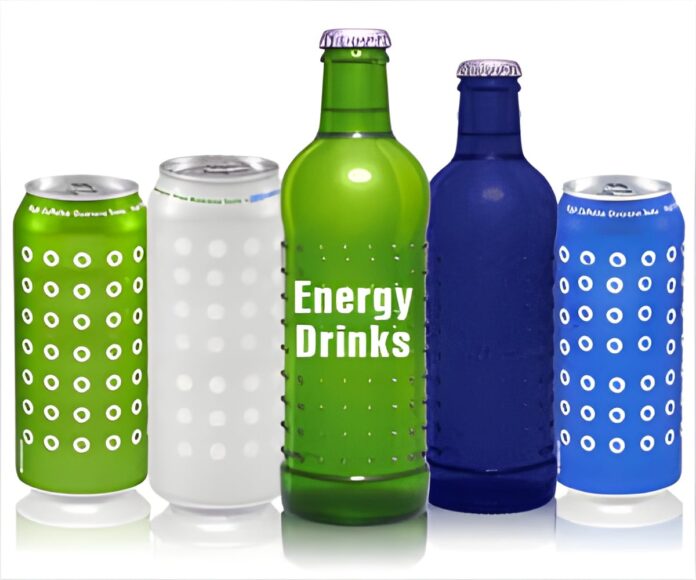
Leading specialists across India warn that energy drinks, alcohol mixing, and high-sugar diets are triggering a silent liver disease crisis among young people nationwide.
On the occasion of World Liver Day, a chorus of leading medical specialists across India sounded an urgent alarm: the country’s youth are unknowingly putting their livers at serious risk — one energy drink at a time.
Leading specialists warned that excessive consumption of energy drinks is emerging as a leading cause of liver damage among India’s youth. Doctors warned that the trend is accelerating, with young patients increasingly showing early signs of liver disease.
Energy Drinks Flood Youth Spaces, But Hidden Liver Risks Raise Concern
Walk into any college campus, gym, or gaming café across urban India, and energy drinks are everywhere. Brands aggressively position these beverages as essential tools for focus, endurance, and productivity. But what the glossy advertisements don’t mention is what happens inside the body — particularly inside the liver.
Energy drinks are aggressively marketed to young consumers as performance enhancers and fatigue relievers, but these drinks often contain caffeine levels far exceeding recommended daily limits, along with substances such as taurine and herbal stimulants, which the liver must metabolize. Over time, this biochemical overload can impair liver function.
The damage is not caused by any single ingredient. It is the combined effect of multiple chemical compounds hitting the liver repeatedly that causes the harm. Research indicates that high sugar content, caffeine, and chemical additives in energy drinks can trigger fat accumulation in liver cells, oxidative stress, and inflammation — factors that contribute to liver injury over time.
The high sugar content in these beverages can also contribute to liver fat accumulation and insulin resistance, potentially increasing the risk of non-alcoholic fatty liver disease (NAFLD) over time.
BMJ Case Highlights Severe Liver Failure Linked to Energy Drink Overconsumption
A published case in the BMJ Case Reports (1✔ ✔Trusted Source
Rare cause of acute hepatitis: a common energy drink
Go to source
) brought global attention to this risk, documenting acute hepatitis in a previously healthy individual linked to excessive energy drink consumption, causing dangerously high levels of niacin (Vitamin B3), known to be hepatotoxic.
The danger can escalate rapidly — a 21-year-old man developed acute liver failure and cerebral edema following a binge episode of energy drink consumption. He was hospitalized, required intubation and hemodialysis, and ultimately received an orthotopic liver transplant after consuming multiple energy drinks to stay awake for a 30-plus-hour video game streaming event.
Doctors are particularly alarmed by an accelerating trend among young Indians — combining energy drinks with alcohol at parties and social gatherings. The stimulant effect of caffeine can mask the sedative effects of alcohol, leading individuals to consume more alcohol than they realize. This combination places extraordinary strain on the liver, forcing it to simultaneously process two sets of toxic compounds while being unable to send the body the warning signals it normally would.
Three major contributors to liver dysfunction are energy drinks, alcohol, and high-sugar beverages — alcohol continues to be a leading cause of liver disease, and sugary drinks contribute to fatty liver disease.
Silent Progression Makes Energy Drink–Linked Liver Damage Especially Dangerous
What makes energy drink–related liver damage particularly dangerous is how quietly it progresses. The liver, often described as a silent organ, rarely signals distress until the damage is advanced. The liver has an incredible ability to regenerate, so the early stages of liver damage often come without any symptoms — it is often picked up accidentally through blood tests or ultrasounds done for unrelated reasons.
Fatigue is a particularly overlooked symptom, as many people experience it for months before getting diagnosed. If liver damage progresses beyond a certain point, a liver transplant often becomes the only life-saving option.
The energy drink crisis is unfolding against an already concerning backdrop for liver health in India. Non-alcoholic fatty liver disease (NAFLD) has outnumbered alcohol-induced cirrhosis cases in India, with the modern Indian diet and sedentary lifestyle doing enough damage even without alcohol consumption.
Leading specialists have sounded a clear warning that liver disease is no longer confined to alcohol use, with unhealthy lifestyles and metabolic disorders emerging as major drivers, particularly among the youth.
Experts Urge Caution as Energy Drinks Pose Hidden, Cumulative Health Risks
Medical experts are urging young people to treat energy drinks not as a harmless pick-me-up, but as substances that carry real, cumulative health consequences.
They advise avoiding daily or habitual consumption of energy drinks, never mixing them with alcohol, watching for early warning signs such as fatigue, dark urine, yellowing of the skin or eyes, and abdominal discomfort, opting for water, fresh fruit, or natural alternatives for energy, and getting regular liver function tests if energy drinks have been consumed frequently.
As doctors emphasize, an otherwise healthy individual may develop acute liver failure following a binge episode of energy drink consumption — making this a public health concern that can no longer be ignored.
References:
- Rare cause of acute hepatitis: a common energy drink – (https://pubmed.ncbi.nlm.nih.gov/27803015/)
Source-Medindia