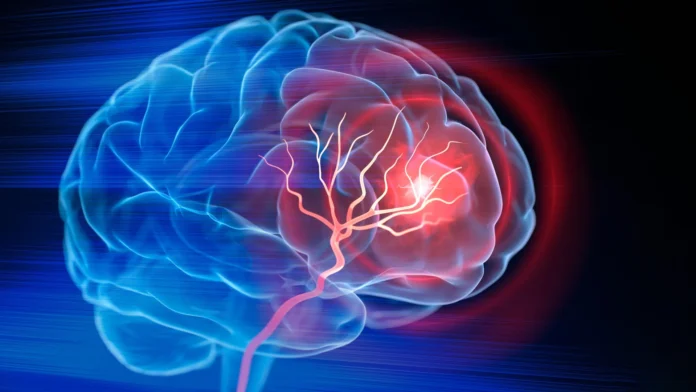
A new preclinical study from investigators at Weill Cornell Medicine reports that hypertension disrupts blood vessels, neurons and white matter in the brain long before blood pressure rises to detectable levels. These early disruptions may help explain why hypertension is strongly associated with cognitive disorders, including vascular cognitive impairment and Alzheimer’s disease.
The study, published Nov. 14 in Neuron, shows that hypertension can trigger early shifts in gene expression within individual brain cells. Such changes may impair thinking and memory, opening the door to treatments that could simultaneously control blood pressure and protect brain health.
People with hypertension are known to have a 1.2 to 1.5-fold greater risk of developing cognitive problems compared to those without the condition, yet the biological reason for this link has remained unclear. Common hypertension medications can successfully bring high blood pressure under control but often show little benefit for cognition. This pattern suggests that damage to brain blood vessels may occur independently of elevated pressure.
“We found that the major cells responsible for cognitive impairment were affected just three days after inducing hypertension in mice — before blood pressure increased,” said senior author Dr. Costantino Iadecola, director of the Feil Family Brain and Mind Research Institute, professor of neuroscience and Anne Parrish Titzell Professor of Neurology at Weill Cornell. “The bottom line is something beyond the dysregulation of blood pressure is involved.”
Dr. Anthony Pacholko, postdoctoral associate in neuroscience at Weill Cornell, co-led the research.
Cellular Vulnerability Revealed Through Advanced Techniques
Earlier work from Dr. Iadecola’s team showed that hypertension can globally disrupt neuronal function. New single-cell analysis tools have now enabled the researchers to examine, in detail, how different brain cell types respond at the molecular level.
To model hypertension in mice, the team used the hormone angiotensin, which raises blood pressure in a manner similar to the condition in humans. They analyzed changes in various brain cells after three days (before blood pressure increased) and after 42 days (when blood pressure was high and cognitive problems were apparent).
Within the first three days, pronounced gene expression changes appeared in endothelial cells, interneurons and oligodendrocytes. Endothelial cells, which line blood vessels, showed signs of accelerated aging, including reduced energy metabolism and increased senescence markers. The team also observed the early weakening of the blood-brain barrier, which normally regulates nutrient flow into the brain and prevents harmful substances from entering. Interneurons, which help balance excitatory and inhibitory nerve signals, were also damaged. This imbalance resembled early patterns seen in Alzheimer’s disease.
Oligodendrocytes, the cells that produce myelin to insulate nerve fibers, expressed fewer genes required for maintaining and regenerating the myelin sheath. When this support declines, neurons eventually lose the ability to communicate efficiently. By day 42, even more gene expression changes had emerged, corresponding with measurable cognitive decline.
“The extent of the early alterations induced by hypertension was quite surprising,” Dr. Pacholko said. “Understanding how hypertension affects the brain at the cellular and molecular levels during the earliest stages of the disease may provide clues to finding ways that can potentially block neurodegeneration.”
Possible Protective Effects of Current Blood Pressure Medication
One medication already used to treat hypertension, losartan, inhibits the angiotensin receptor. “In some human studies, the data suggest that the angiotensin receptor inhibitors may be more beneficial to cognitive health than other drugs that lower blood pressure,” Dr. Iadecola said. In their experiments, losartan reversed early hypertension-related damage in endothelial cells and interneurons in the mouse model.
“Hypertension is a leading cause of damage to the heart and the kidneys, that can be prevented by antihypertensive drugs. So independent of cognitive function, treating high blood pressure is a priority,” Dr. Iadecola said.
Dr. Iadecola’s team is now studying how the accelerated aging of small blood vessels caused by hypertension might lead to dysfunction in interneurons and oligodendrocytes. Ultimately, they hope to find the most effective strategies to prevent or reverse the long-term cognitive consequences associated with the condition.