UK glaucoma cases exceed 1M and may reach 1.6M by 2060, with huge numbers still undiagnosed and at risk of vision loss.
More than a million people in the UK are estimated to be living with glaucoma, and this number is expected to rise to over 1.6 million by 2060.
These updated figures, commissioned by Glaucoma UK, suggest that prevalence is nearly 50% higher than previously believed. The findings also indicate that more than half a million people may have undiagnosed glaucoma, a common eye condition in which the optic nerve connecting the eye to the brain becomes damaged.(1✔ ✔Trusted Source
Over 1 million estimated to have glaucoma in UK
Go to source
)
TOP INSIGHT

Did You Know?
Half of #glaucoma cases may be unknown to the patients themselves, meaning many are at risk of irreversible #visionloss before diagnosis in the UK.
##glaucomaawareness #eyehealth #eyehealthuk #visionlossprevention #nhshealth #medindia
Rising Glaucoma Burden Amid Population Ageing
The researchers project that glaucoma rates will increase more rapidly than total population growth, largely due to the ageing population, putting increasing pressure on health services.
They are calling for an expansion of eye health services and encouraging people to get their eyes checked regularly.
Hidden Disease and the Consequences of Delayed Diagnosis
The study’s lead author Professor Paul Foster, a UCL Institute of Ophthalmology researcher and consultant ophthalmic surgeon at Moorfields Eye Hospital, said: “Glaucoma is a common cause of blindness, but it isn’t symptomatic until its later stages, so regular tests are important for early diagnosis. Previous studies have estimated that half of glaucoma cases are undiagnosed, and this is even higher among some ethnic minority groups who are more likely to experience delays in diagnosis.
“Late diagnosis comes with a higher risk of sight loss and higher costs of care; over 40% of glaucoma patients in the UK experience vision loss that could have been prevented with earlier diagnosis and treatment such as eye drops or surgery.”
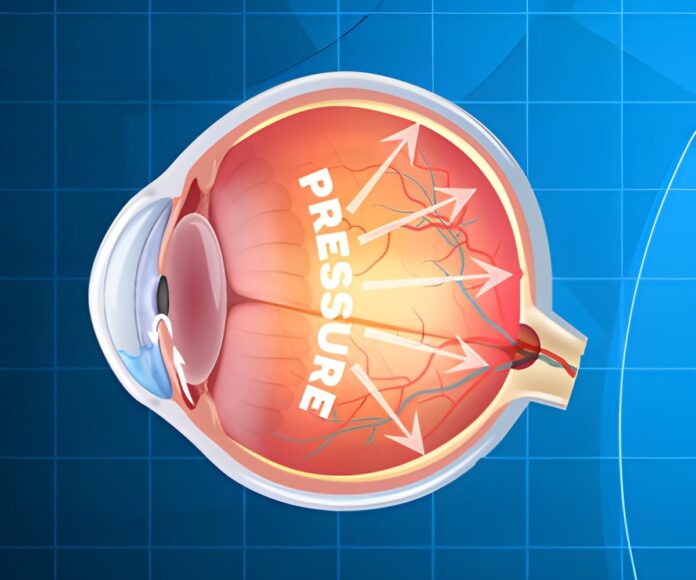
Glaucoma is the leading cause of irreversible blindness globally. The most important risk factors are high pressure in the eye and older age. Glaucoma often has no symptoms until a considerable amount of vision has been permanently lost.
To develop their new estimates of glaucoma prevalence, the researchers used UK-wide data on age, sex and ethnicity for people aged 40 and over (as glaucoma is very rare before this age), and grouped them by five-year age bands, sex, and four broad ethnic categories: European, African, Asian, and mixed/other.
They estimated how many people in each group are likely to have glaucoma based on the best available evidence of prevalence within particular demographic groups internationally. This was based on age- and sex-specific estimates for glaucoma prevalence for people with European ancestry sourced from the European Eye Epidemiology Consortium. For non-European ethnic groups, the researchers used relative risk estimates from other studies and applied them to the European baseline.
Current UK Glaucoma Prevalence and Demographic Patterns
The researchers estimate that 1.1 million people in the UK currently have glaucoma, or 3% of the population over 40. This percentage is believed to be higher, at 4%, among those of African descent. Among people over 85, 11% are estimated to have glaucoma.
Previous estimates suggested that around 700,000 people were living with glaucoma in the UK, but the researchers say this was underestimating how many people were undiagnosed and did not fully account for recent demographic shifts.
Although non-European groups represent only 6% of the UK population aged 65 and older, the researchers estimate that they account for 8% of current glaucoma cases. People of African origin are known to face a higher risk of glaucoma, partly due to genetic factors.
Projections Point to a Sharp Increase in Glaucoma Cases by 2060
To estimate future disease burden, the researchers used population projections from the UK’s Office for National Statistics. The researchers predict a 60% increase in cases by 2060, to a total of 1.61 million, despite the population of over-40s expected to increase by only 28%. This difference is largely due to population growth of people over 75, as well as increases in the proportion of people from ethnic groups with a higher risk of glaucoma.
Professor Foster said: “Our findings show that there will be a large increase in glaucoma cases in the UK, so there’s a growing need to expand eye health services to meet this demand, including specialist care and diagnostic capacity.
“Awareness campaigns encouraging people to get their eyes checked are also needed as part of targeted early detection strategies, particularly to address late diagnosis in underserved, hard to reach populations.
“For people in midlife onwards, it’s important to get your eyes checked annually by your optician, to detect changes that haven’t yet caused any symptoms.”
Why Routine Eye Tests Matter More Than Ever
Joanne Creighton, CEO of Glaucoma UK, said: “This new study reveals a reality where over one million adults aged 40 and above are currently living with glaucoma – many of them without knowing, and potentially losing sight which they will never be able to recover.
“This landmark study also predicts a 60% increase in glaucoma cases by 2060, rising from just over one million to 1.61 million. This is a demographic timebomb, and we need serious planning and action now to prepare to diagnose, treat, and support these future patients.
“These findings highlight why routine eye tests are more important than ever before.”
Personal Testimony Illustrating the Patient Experience
Jill worked for over 30 years as a nurse in acute, mental health and community settings, working her way up to director of nursing, then an NHS chief executive. In retirement she is still busy volunteering and travelling, including walks of the European camino pilgrimage trails.
Describing her experience with glaucoma, she said: “I had experienced floaters in my eyes for years, but eight or nine years ago it dawned on me that they were worse in my right eye and there were patches in my field of vision where I couldn’t see.
“My GP sent me to my local hospital where I was diagnosed with glaucoma and given some drops. As I was having difficulty getting follow-up appointments with them, I contacted Moorfields Private initially, in order to be seen quickly, later transferring to Moorfields Eye Hospital, where over the years I tried different drops and also laser surgery.
“Around a year ago, I had reluctantly given up driving, and my vision was deteriorating, I was also finding it difficult to adjust from light to darkness and vice versa. At Moorfields Eye Hospital my consultant advised me to have a trabeculectomy. This surgery, to create a new drainage pathway for fluid in the eye, aims to prevent further sight loss.
“I would urge people reading my story to get their eyes tested regularly and, if diagnosed with glaucoma, to take their treatment, even if they have no symptoms. You can lose your sight if you don’t.”
The Need for System-Level Planning and Resource Allocation
Joanna Hodgkinson, Head of Research at Glaucoma UK, added: “The headlines generated by this study can seem alarming – but we believe there is enormous potential here, and it can in fact help us to improve outcomes for people living with glaucoma.
“Glaucoma sight loss is largely preventable, but only if people can be seen within an already over-strained system. More accurate estimates of the prevalence of glaucoma will help the NHS to plan to meet this growing population’s needs, ensuring we have the necessary capacity, workforce and infrastructure.”
Reference:
- Over 1 million estimated to have glaucoma in UK – (https://www.ucl.ac.uk/news/2026/jan/over-1-million-estimated-have-glaucoma-uk)
Source-University College London