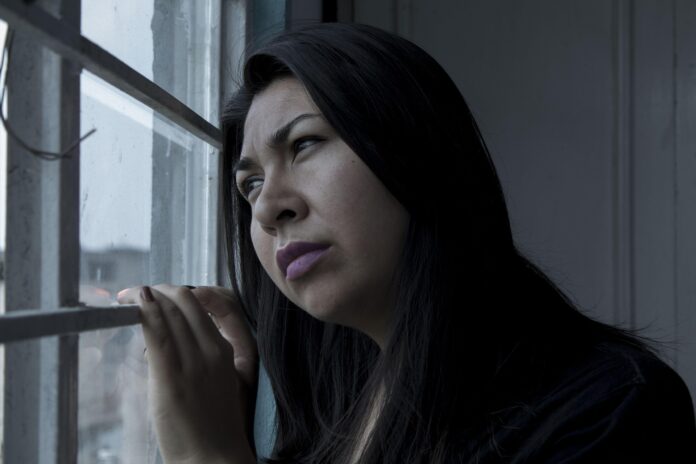
Yesterday it was your chest. Today it’s your stomach. Just as one sensation loses its grip, another demands your attention. When health anxiety symptoms keep changing, it can feel as though you’re always starting again.
In this episode of the Health Anxiety Podcast Show we explore why that shifting focus can be so unsettling and how to stop letting each sensation dictate your day. Enjoy!
Why health anxiety symptoms can seem to move around
Anxiety affects more than your thoughts. Muscle tension, changes in breathing and a heightened stress response can influence how your body feels. Meanwhile, your attention moves between sensations: a tight shoulder, a flutter, a wave of dizziness. The experience is real, and the spotlight you place on it matters.
A changing sensation can trigger a familiar conclusion: “This one is different, so I need to figure it out.” That thought pulls you back into scanning, comparing and searching. The location changes, but the habit of treating discomfort as a question that must be answered stays in place.
The checking cycle keeps the spotlight on your body
Repeatedly monitoring health anxiety symptoms can make ordinary fluctuations harder to leave alone. Checking briefly promises certainty, then invites another check: Is it still there? Has it spread? What does it mean now? You end up measuring your day by your body’s latest update.
The NHS guidance on health anxiety recommends noticing checking and reassurance habits and gradually reducing them. This gives you something practical to work on: your response to the sensation, rather than an endless investigation of every change.
What you’ll explore
This episode looks at a more consistent way to meet health anxiety symptoms, even when the sensations themselves feel inconsistent:
- Recognise the familiar loop. Notice the sequence of sensation, frightening interpretation, checking and temporary relief.
- Question the meaning you add. A change in location can feel significant without proving the story your fear attaches to it.
- Reduce the next check. Practise leaving a familiar sensation alone for a little longer instead of immediately examining or searching.
- Return to something meaningful. Give your attention to a conversation, a small task or an activity you value.
- Measure progress differently. Notice when you recover your attention sooner or continue your day with less reassurance.
Give yourself room to live again
You don’t need a new recovery strategy every time health anxiety symptoms draw your attention to a different part of your body. A steadier response grows through repetition: notice the sensation, recognise the urge to investigate, and gently return to what you were doing.
Try asking, “What would I choose to do next if I didn’t need to settle this thought first?” Start small. The aim is to build room for living while discomfort is present, rather than postponing life until you feel perfectly settled.
When health anxiety symptoms stop deciding every next step, you begin reclaiming something more valuable than a moment of relief: trust in your ability to respond. You are more than anxiety.
Ready to work on the fear behind the symptoms?
If checking, Googling and seeking reassurance keep pulling you back in, my Health Anxiety Recovery Program gives you daily guidance to practise a different response.
$197 USD · One-time payment · Lifetime access
Explore Health Anxiety Recovery