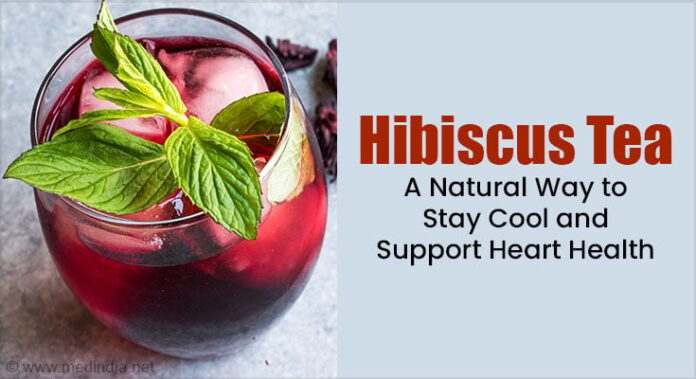
Hibiscus tea may help cool the body, support heart health, and boost metabolism during seasonal change.
- Hibiscus tea is recommended during seasonal transition for its cooling effect
- Studies suggest benefits for blood pressure and heart health
- Easy to prepare at home with natural ingredients
As temperatures rise and the body adapts to seasonal change, traditional practices emphasize cooling foods and drinks (1✔ ✔Trusted Source
Hibiscus Tea and Health: A Scoping Review of Scientific Evidence
Go to source
).
Sadhguru suggests hibiscus tea during this period, as it may help the body adapt to rising temperatures, support hydration, and provide a light, refreshing energy boost. Hibiscus tea is naturally tangy, cooling, and rich in antioxidants, making it suitable for early summer (2✔ ✔Trusted Source
Why Sadhguru recommends drinking Hibiscus Flower Tea in the months of March-April
Go to source
).What Makes Hibiscus Tea a Powerful Summer Drink
Scientific studies suggest hibiscus tea may offer several benefits:
| Health Benefit | What Studies Suggest |
|---|---|
| Blood pressure | Helps reduce mild to moderate hypertension |
| Cholesterol | May lower total cholesterol levels |
| Antioxidant effect | Fights free radicals |
| Heart health | Supports cardiovascular function |
A systematic review has shown that regular consumption of hibiscus may reduce cardiovascular risk factors.
How to Make Hibiscus Tea at Home
Ingredients
- 1 cup dried hibiscus flowers
- 1 inch cinnamon stick
- ½ inch ginger
- Honey or palm jaggery
Method
- Boil 4 cups of water
- Add hibiscus, cinnamon, and ginger
- Boil for 5 minutes
- Cover and steep for 15–20 minutes
- Strain and add sweetener
- Serve hot or chilled
Tip: Avoid over-steeping to prevent bitterness.
Why Cinnamon and Ginger Are Added to Hibiscus Tea
These ingredients enhance both taste and health benefits:
| Ingredient | Key Benefit |
|---|---|
| Cinnamon | Improves metabolism and blood sugar control |
| Ginger | Aids digestion and reduces inflammation |
Cinnamon contains cinnamaldehyde, which may support better glucose metabolism and energy balance.
Who Can Benefit the Most from Hibiscus Tea
Hibiscus tea may be especially useful for:
- People with mild high blood pressure
- Those feeling fatigued during seasonal change
- Individuals looking for natural cooling drinks
- People trying to reduce sugary beverage intake
Are There Any Precautions for Drinking Hibiscus Tea?
While generally safe, caution is advised for:
- People with low blood pressure
- Pregnant women (consult doctor)
- those on antihypertensive medication
Why Hibiscus Tea Trend Is Gaining Popularity
The rise in interest is driven by:
- Natural and plant-based wellness trends
- Seasonal health awareness
- Simple, DIY home remedies
Hibiscus tea fits perfectly into the growing demand for functional, everyday health drinks.
What Hibiscus Tea Means for Your Daily Routine
Adding hibiscus tea to your routine:
- Supports hydration in warmer weather
- Offers a healthier alternative to sugary drinks
- Provides gentle metabolic and cardiovascular support
Frequently Asked Questions
Q: What is hibiscus tea good for?
A: It may support heart health, reduce blood pressure, and provide antioxidants.
Q: Can hibiscus tea be consumed daily?
A: Yes, in moderate amounts, unless medically contraindicated.
Q: Is hibiscus tea cooling for the body?
A: Yes, it is traditionally considered a cooling drink.
Q: Does hibiscus tea help with weight loss?
A: It may support metabolism, but it is not a standalone weight loss solution.
Q: Can I drink hibiscus tea cold?
A: Yes, it can be consumed chilled and is especially refreshing in summer.
References:
- Hibiscus Tea and Health: A Scoping Review of Scientific Evidence – (https://www.researchgate.net/publication/347313314_Hibiscus_Tea_and_Health_A_Scoping_Review_of_Scientific_Evidence)
- Why Sadhguru recommends drinking Hibiscus Flower Tea in the months of March-April – (https://timesofindia.indiatimes.com/life-style/food-news/why-sadhguru-recommends-drinking-hibiscus-flower-tea-in-the-months-of-march-april/photostory/129692941.cms )
Source-Medindia