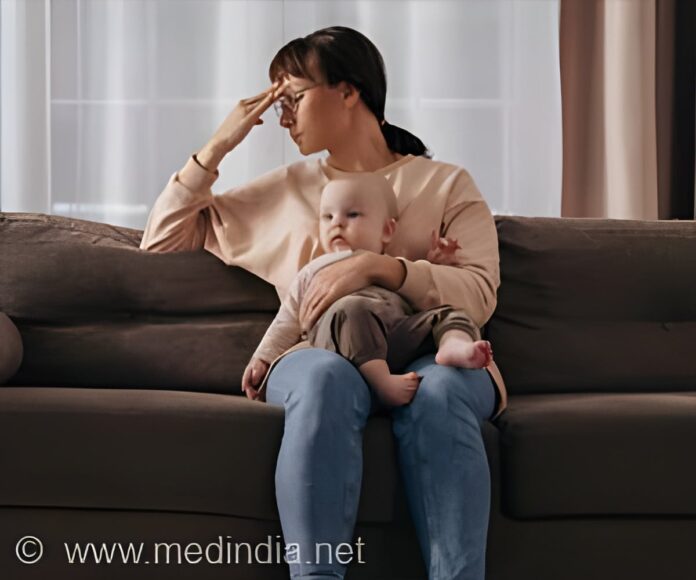
Postpartum body dissatisfaction impacts the majority of Australian women, sometimes triggering first-time eating disorders.
Up to 75% of Australian women experience postpartum body image concerns, with many facing strong societal pressure to “bounce back” to their pre-pregnancy appearance.
This pressure can be so intense that it triggers eating disorders for the first time, according to Flinders University researchers.(1✔ ✔Trusted Source
A systematic review of social and interpersonal factors associated with perinatal body image and eating concerns
Go to source
)
TOP INSIGHT

Did You Know?
New-onset #postpartumdepression more than doubles the likelihood that a woman will retain nearly 5kg one year after childbirth, making mental health a key factor in long-term weight outcomes.
#postpartumhealth #mentalhealth #maternalwellness #bodymindconnection #medindia
Social and Interpersonal Influences on Maternal Body Image
A major review published in Body Image shows these struggles are not just personal – they are shaped by partners, families, and cultural expectations.
The analysis of 36 studies found that social and interpersonal factors can either protect against or worsen body dissatisfaction and disordered eating during pregnancy and the first year postpartum.
Lead author and PhD candidate, Madeleine Rhodes, from Flinders’ College of Education, Psychology and Social Work, says the findings challenge the idea that body image concerns are solely an individual responsibility.
“We wanted to understand how new and expecting mums are affected by the people and environment close to them when it comes to their bodies and eating habits,” says Ms Rhodes.
“Whilst support from partners, family, friends, and healthcare professionals can help women feel better about their bodies, negative comments and social pressure to ‘bounce back’ make things worse.”
Protective vs. Harmful Social Environments
The review found that supportive partners and strong social networks help women feel more positive about their bodies, while unrealistic media portrayals, appearance-focused comments, and even well-meaning advice can do harm.
“The transition to motherhood is a time of profound change and women shouldn’t have to navigate these pressures alone – partners, families, and healthcare professionals all play a critical role,” says Ms Rhodes.
“These issues are shaped by relationships and culture. Solutions need to involve partners, families and health professionals, not just the women themselves.”
Identifying Risk and Protective Factors
The study found that protective factors included emotional and practical support from loved ones and clear, non-judgmental guidance from healthcare providers.
Risk factors included appearance-related comments, interpersonal abuse, and sociocultural pressure to conform to thin ideals. Some women reported that weight-related advice triggered distress, especially those with a history of eating disorders.
Healthcare professionals were identified as vital sources of reassurance, yet many women said conversations about body changes were absent or overly focused on weight.
Role of Healthcare and Communication
“Our findings suggest doctors and midwives should regularly check in with new and expecting mums about how they feel about their bodies and eating habits, and give clear, supportive advice about normal changes,” Ms Rhodes says.
Media and celebrity portrayals also came under fire for reinforcing unrealistic expectations.
Body image expert and senior author, Professor Ivanka Prichard, says that while pregnancy often brings temporary relief from thin-ideal pressure, these expectations return with force postpartum, fuelling dissatisfaction and unhealthy behaviours.
Unrealistic Cultural Ideals and Their Impact
“The cultural obsession with ‘getting your body back’ is harmful and unrealistic,” Professor Prichard says.
“This is a public health issue with real consequences for mothers, babies, and families. By shifting the focus from individual responsibility to shared support, we can create healthier outcomes for everyone.”
The researchers urge routine screening for body image and eating concerns while women are pregnant as well as postnatally recommend involving partners and social networks in interventions.
“Partners and family can help by offering emotional support and avoiding comments about looks, while public health messages should push back against unrealistic ‘bounce back’ expectations and promote messages of body functionality and self-compassion,” adds Ms Rhodes.
Reference:
- A systematic review of social and interpersonal factors associated with perinatal body image and eating concerns – (https://linkinghub.elsevier.com/retrieve/pii/S1740144525001494)
Source-Flinders University