What’s driving the sharp rise in colorectal cancer deaths among younger adults as other cancer fatalities continue to fall?
Colorectal cancer has become the leading cause of cancer-related deaths among Americans under the age of 50, overtaking other major cancers despite an overall decline in cancer mortality among younger adults, according to a new study by the American Cancer Society (ACS). ()
The study, published in the peer-reviewed medical journal JAMA, analyzed more than 1.2 million cancer deaths recorded between 1990 and 2023. While deaths from many common cancers declined significantly during this period, colorectal cancer stood out as the only major cancer with rising mortality rates in this age group.
TOP INSIGHT

#Colorectalcancer is now the leading cause of #cancerdeath for #Americans under 50. While other cancer deaths are falling due to better screening, colorectal deaths are rising by 1% annually in this age group.
#ColorectalCancerDeaths #Study #CancerNews #CancerScreening #US
Colorectal Cancer Deaths Rise as Other Cancer Fatalities Decline
Researchers found that colorectal cancer deaths among Americans under 50 increased by just over 1% per year, making it the top cause of cancer death for men and women combined in this age group. In contrast, deaths from cancers such as lung, breast, leukemia, and cervical cancer showed consistent declines.
Overall, cancer mortality among younger Americans fell by approximately 44% over the past three decades, highlighting the unusual and troubling nature of the colorectal cancer trend.
“This rise is happening while we’re seeing progress against many other cancers,” said Dr. William Dahut, chief science officer of the American Cancer Society. “That contrast makes colorectal cancer especially concerning.”
Screening and Better Treatment Drive Declines in Major Cancer Deaths
Experts attribute declines in several major cancers to improved screening, early detection, and advances in treatment.
- Lung cancer deaths among younger adults dropped by nearly 6% annually, driven largely by reduced tobacco use. Once the leading cause of cancer death under 50, lung cancer now ranks fourth.
- Breast cancer deaths decreased by about 1.4% per year, even as diagnosis rates increased. It remains the leading cause of cancer death among younger women.
- Leukemia and cervical cancer deaths also declined steadily, with experts crediting better therapies, screening programs, and vaccination efforts.
Dr. Dahut noted that more than half of the overall improvement in cancer survival among younger people is likely due to better treatment options.
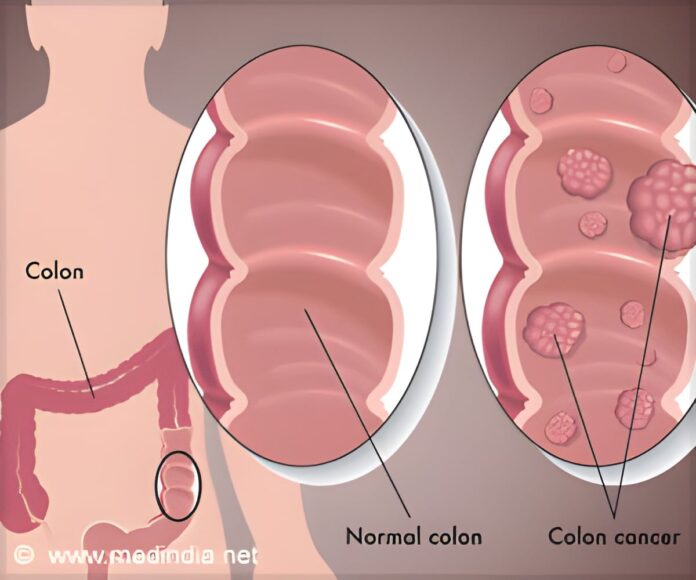
Colorectal cancer begins in the colon or rectum, which together form the lower part of the digestive tract. It often starts as polyps, or abnormal growths in the lining of the colon or rectum, which can become cancerous over time if left untreated.
Globally, colorectal cancer affects an estimated 1.9 million people each year, according to World Health Organization data. In the United States, it has traditionally been associated with older adults, making its rise among younger people particularly alarming.
The reasons behind the increase in colorectal cancer deaths among younger Americans remain unclear. Researchers believe the trend may be linked to a combination of environmental, dietary, and lifestyle factors, including obesity, sedentary behavior, processed food consumption, alcohol use, and changes in gut health.
Lifestyle Factors and Late Diagnosis Raise Alarm Among Experts
“There’s still a lot we don’t understand,” Dr. Dahut said. “But it’s likely related to lifestyle or environmental exposures that are affecting people earlier in life.” Another major concern is late-stage diagnosis. More than 75% of colorectal cancer cases in younger patients are detected at advanced stages, when treatment is less effective.
Health experts stress that lack of routine screening plays a major role in poor outcomes. Many people in their 40s do not undergo screening or report early symptoms, often because they are not advised to do so by a primary care physician.
The U.S. Preventive Services Task Force (USPSTF) currently recommends that average-risk adults begin colorectal cancer screening at age 45, with earlier screening advised for those with a family history or genetic risk.
“Men, in particular, often fall through the cracks,” Dr. Dahut noted. “They may not have regular doctor visits where screening is discussed.” Experts say reversing the trend will require greater public awareness, earlier screening, and prompt follow-up of symptoms such as changes in bowel habits, abdominal pain, rectal bleeding, unexplained weight loss, or persistent fatigue.
Tips to Prevent Colorectal Cancer
- Get regular screening from age 45, or earlier if you have a family history
- Follow a high-fiber diet with fruits, vegetables, and whole grains
- Limit red and processed meats
- Stay physically active and maintain a healthy weight
- Avoid smoking and limit alcohol consumption
- Watch for warning signs like changes in bowel habits, rectal bleeding, or unexplained weight loss
- Seek medical advice early if symptoms appear
While progress against many cancers has been encouraging, the rise of colorectal cancer among younger Americans serves as a stark reminder that early detection and prevention efforts must evolve alongside changing risk patterns.
References:
- Colorectal Cancer Incidence in US Adults After Recommendations for Earlier Screening – (https://jamanetwork.com/journals/jama/article-abstract/2837232)
Source-Medindia