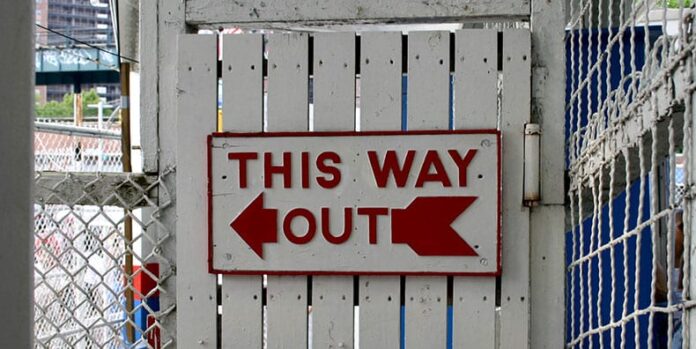
Bipolar comes with free admission to the Bipolar Theme Park, where ups and downs are endless. But we don’t have to ride every roller coaster.
IIn my journey with bipolar disorder, I’ve been puzzling over how to detect the signs of an oncoming mood episode. I want to catch them as early as possible so I can tame the triggers and symptoms — instead of going on a ride that’s a bit too “thrilling” for me to handle.
Trouble is, I can’t always tell which ride I’m in line for: Is this the lazy river? Or the free fall?
Distinguishing Symptoms From Self
The signs of depressive episodes aren’t terribly hard for me to spot or manage. Like many others who have bipolar 2 disorder, I’ve got decades of experience dealing with those.
But, despite reading the diagnostic criteria and doing plenty of self-reflection, it’s still very difficult for me to differentiate early symptoms of hypomania from my own authentic self.
If I find new enjoyment in something, I’ll begin to think: OMG, is this hypomania? Stop!
But another part of me says: No, this is ‘normal!’ I just like things the same way ‘normal’ people do! Can’t I live? Gah!!
And so begins the analysis paralysis.
Signs and Symptoms of Hypomania
One thing that has helped me a lot is (begrudgingly) acknowledging that I have certain behaviors that consistently come and go. These behaviors or experiences include:
Even though this list of hypomania red flags is atypical — and so might stand out from the norm — the behaviors were difficult for me to suss out. Why? Because after years, if not decades, they are very well-ingrained in my life and routine.
But now that I have identified them, I consider them signals of a brain chemistry change. I even keep an official list of these episodic behaviors.
Going through that thought process (and writing process) really strengthened my mood-management muscles. Plus, having a list to reference in my weekly sessions with my psychiatrist feels like a major system upgrade.
Yet, as I mentioned, I still struggle with differentiating between my “authentic self” and “bipolar self.”
Mood Management: Small Changes, Big Improvement
I hope that, with time, it will become easier for me to know my exact mood whereabouts. But, until then, I’m taking some baby steps backward. Backing up a bit helps me to see which ride I’m in line for, so to speak, and it gives me an opportunity to get out of line for rides that are out of my league.
My best strategy to back away from the line is to reduce and confront sensory stimulation in my environment. Over time, I’ve made many small changes to my routine and habits that add up to a new lifestyle, post-diagnosis — one where I have both more space and more confidence to seek and find harmony with my bipolar.
RELATED: 10 Habits of Highly Successful People With Bipolar Disorder
In fact, I get out of line for the roller coaster every day, without even considering it a bipolar management thing. Every single day, one (or more) of the habits below takes me a step backward — and that’s a good thing.
10 Ways I ‘Get Out of Line’ for the ‘Bipolar Roller Coaster’
To avoid the bipolar roller coaster, I do these things to get out of line and stabilize my mood.
- Stretch and meditate
- Research an intriguing topic
- Write
- Take a long break from TV, music, and lights
- Plan out my fantasy (imaginary) tree house
- Shower in the dark
- Sit down and eat an adequate, healthy meal
- Force a nap
- Go to bed by 10 p.m. (midnight at the very latest)
- Watch a compelling movie or documentary
Most of these moves are basically just a directive to rest (It’s definitely not easy to rest when there’s an itch you can’t scratch, but I do try to remember that resting is actually easy, by definition). And I’ve found that incorporating some new habits has helped me manage the volume of sensory stimulation I experience — which, in turn, helps stabilize my mood.
The mainstream is even catching onto this idea; experts call it “dopamine fasting.”
Downtime Habits Are Key to Stability
So, my bipolar brethren, what I’d like for you to take away from this is that managing bipolar disorder isn’t about exiting the theme park — it’s about staying off the rides we can’t handle.
It took a lot of time for me to:
- Acknowledge that I can (and should) adjust my behavior
- Figure out which calming measures work best for me
- Mentally adjust to an overall reduction in sensory stimulation
I learned that incorporating downtime habits makes for a smoother ride through the wild and winding theme park that is life with bipolar.
What do you do to step out of line for the “Bipolar Roller Coaster” and incorporate some much-needed downtime?
Editorial Sources and Fact-Checking
UPDATED: Originally posted March 14, 2020