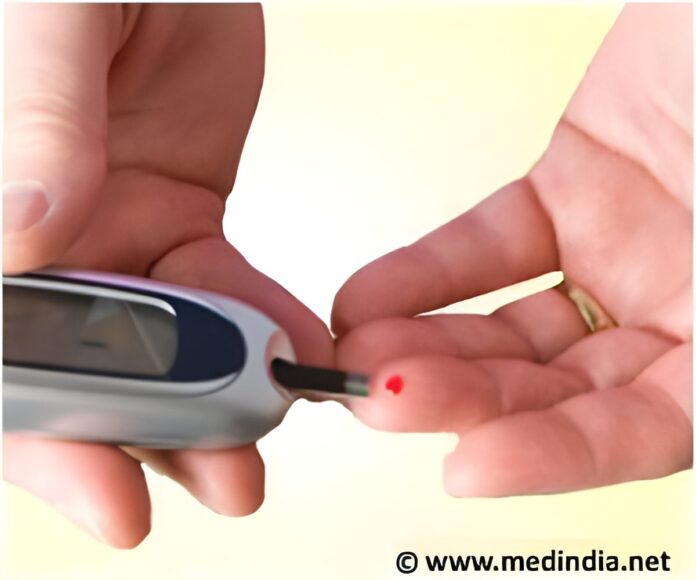
Blood sugar can spike even without food due to hidden triggers like stress and poor sleep.
- Blood sugar levels can rise due to stress, sleep, exercise, and hormonal changes even without eating
- High intensity exercise and chronic stress may temporarily increase glucose levels
- Managing lifestyle factors is essential for maintaining stable blood sugar levels
Blood sugar levels are often linked directly to the food we eat, especially carbohydrates. However, experts now highlight that blood glucose levels can rise even without consuming food. Several lifestyle and physiological factors may influence blood sugar fluctuations. Understanding these triggers can help individuals manage their health more effectively. Recognizing non-food causes of blood sugar spikes is essential for better glucose control.
Medical experts explain that the body regulates blood sugar through hormones such as insulin and cortisol (1). These hormones respond not only to food but also to stress, activity, and sleep patterns. Changes in these factors may alter glucose levels even in the absence of meals. Research supports the role of lifestyle factors in glucose regulation (2). Being aware of blood sugar variability can help prevent unexpected spikes.
Stress Can Raise Blood Sugar Levels
Stress triggers the release of hormones such as cortisol and adrenaline in the body. These hormones prepare the body to respond to perceived threats. One of their effects is increasing glucose availability in the bloodstream (1). This response ensures that the body has enough energy during stressful situations. However, chronic stress may lead to persistent high blood sugar levels (3).
When stress becomes long-lasting, the body continues producing these hormones frequently. This can interfere with insulin function and glucose regulation. Over time, repeated stress responses may contribute to insulin resistance. Managing stress becomes an important factor in maintaining stable glucose levels. Practicing relaxation techniques can help control stress-related glucose spikes (4).
Can Exercise Increase Blood Sugar Temporarily?
Exercise is generally recommended for improving blood sugar control and overall health. However, certain types of exercise may temporarily raise glucose levels. High intensity workouts can trigger the release of stress hormones. These hormones signal the liver to release stored glucose into the bloodstream. This may result in a short-term exercise-induced glucose rise (5).
Despite this temporary increase, regular physical activity remains beneficial for long-term glucose management. Over time, exercise improves insulin sensitivity and metabolic health. The type, duration, and intensity of exercise may influence how blood sugar responds. Monitoring glucose levels before and after workouts can provide useful insights. Understanding exercise effects on blood sugar helps individuals plan their routines better.
Impact of Poor Sleep on Blood Sugar
Sleep plays a critical role in maintaining hormonal balance and metabolic health. Inadequate sleep may disrupt insulin function and glucose regulation. Studies suggest that sleep deprivation can increase insulin resistance (6). This condition makes it harder for the body to control blood sugar levels effectively. Poor sleep quality can therefore lead to elevated blood glucose.
Irregular sleep patterns may also affect appetite hormones and energy balance. This can indirectly influence eating habits and metabolic function. Over time, chronic sleep deprivation may increase the risk of developing diabetes (6). Maintaining consistent sleep routines supports better health outcomes. Prioritizing rest helps reduce sleep-related blood sugar spikes.
Hormonal Changes and Blood Sugar Fluctuations
Hormonal changes can significantly affect blood sugar levels in both men and women. For example, hormonal fluctuations during the menstrual cycle may influence glucose control (7). Similarly, stress related hormonal shifts can alter metabolic processes. These changes may lead to unexpected variations in blood sugar. Understanding hormonal impact on glucose helps explain these fluctuations.
In addition, conditions such as infections or illness may increase stress hormone levels. This response can raise blood sugar even without dietary changes. The body prioritizes energy availability during illness, leading to higher glucose levels. Monitoring blood sugar during such periods becomes important. Recognizing hormone-driven glucose changes supports better management.
Simple Ways to Manage Blood Sugar Beyond Diet
Managing blood sugar involves more than just controlling food intake. Lifestyle habits such as stress management, regular exercise, and adequate sleep play important roles. Maintaining a balanced routine helps regulate hormones and metabolism. Small changes in daily habits can significantly impact glucose control. These practices support holistic blood sugar management.
Regular monitoring of blood sugar levels can help identify patterns and triggers. Keeping track of stress, activity, and sleep may provide valuable insights. Consulting healthcare professionals can guide personalized strategies. Combining medical advice with healthy lifestyle habits improves outcomes. Taking a comprehensive approach helps maintain stable glucose levels.
Frequently Asked Questions
Which doctor should I consult for managing blood sugar fluctuations?
An endocrinologist or a diabetologist can help evaluate blood sugar patterns and guide proper management based on your health needs.
Can blood sugar increase without eating?
Yes, factors such as stress, exercise, and poor sleep can raise blood sugar levels.
Does exercise always lower blood sugar?
High-intensity exercise may temporarily increase blood sugar before improving it over time.
How does stress affect blood sugar?
Stress hormones increase glucose release into the bloodstream, raising blood sugar levels.
Can lack of sleep affect glucose levels?
Poor sleep can increase insulin resistance and lead to higher blood sugar levels.
What are non-dietary causes of blood sugar spikes?
Stress, hormonal changes, illness, and exercise can all influence blood sugar levels.
References:
- Physiology, Glucose Metabolism
(Nakrani MN, Wineland RH, Anjum F. Physiology, Glucose Metabolism. [Updated 2023 Jul 17]. In: StatPearls [Internet]. Treasure Island (FL): StatPearls Publishing; 2026 Jan-. Available from: https://www.ncbi.nlm.nih.gov/books/NBK560599/) - Effects of lifestyle interventions on glucose regulation and diabetes risk in adults with impaired glucose tolerance or prediabetes: a meta-analysis
(Jiang Q, Li JT, Sun P, Wang LL, Sun LZ, Pang SG. Effects of lifestyle interventions on glucose regulation and diabetes risk in adults with impaired glucose tolerance or prediabetes: a meta-analysis. Arch Endocrinol Metab. 2022 Apr 28;66(2):157-167. doi: 10.20945/2359-3997000000441. Epub 2022 Mar 14. PMID: 35289514; PMCID: PMC9832886.) - Stress-Induced Diabetes: A Review
(Sharma K, Akre S, Chakole S, Wanjari MB. Stress-Induced Diabetes: A Review. Cureus. 2022 Sep 13;14(9):e29142. doi: 10.7759/cureus.29142. PMID: 36258973; PMCID: PMC9561544.) - Relaxation training significantly reduced blood glucose levels in patients with type 1 diabetes mellitus
(Paschali AA, Peppou LΕ, Benroubi M. Relaxation training significantly reduced blood glucose levels in patients with type 1 diabetes mellitus. Hormones (Athens). 2020 Jun;19(2):215-222. doi: 10.1007/s42000-020-00187-w. Epub 2020 Apr 1. PMID: 32239448.) - The impact of brief high-intensity exercise on blood glucose levels
(Adams OP. The impact of brief high-intensity exercise on blood glucose levels. Diabetes Metab Syndr Obes. 2013;6:113-22. doi: 10.2147/DMSO.S29222. Epub 2013 Feb 27. PMID: 23467903; PMCID: PMC3587394.) - Does Insufficient Sleep Increase the Risk of Developing Insulin Resistance: A Systematic Review
(Singh T, Ahmed TH, Mohamed N, Elhaj MS, Mohammed Z, Paulsingh CN, Mohamed MB, Khan S. Does Insufficient Sleep Increase the Risk of Developing Insulin Resistance: A Systematic Review. Cureus. 2022 Mar 26;14(3):e23501. doi: 10.7759/cureus.23501. PMID: 35494895; PMCID: PMC9036496.) - Impact of Physiological Fluctuations of Sex Hormones During the Menstrual Cycle on Glucose Metabolism and the Gut Microbiota
(Schieren A, Koch S, Pecht T, Simon MC. Impact of Physiological Fluctuations of Sex Hormones During the Menstrual Cycle on Glucose Metabolism and the Gut Microbiota. Exp Clin Endocrinol Diabetes. 2024 May;132(5):267-278. doi: 10.1055/a-2273-5602. Epub 2024 Feb 21. PMID: 38382644; PMCID: PMC11093651.)
Source-Medindia