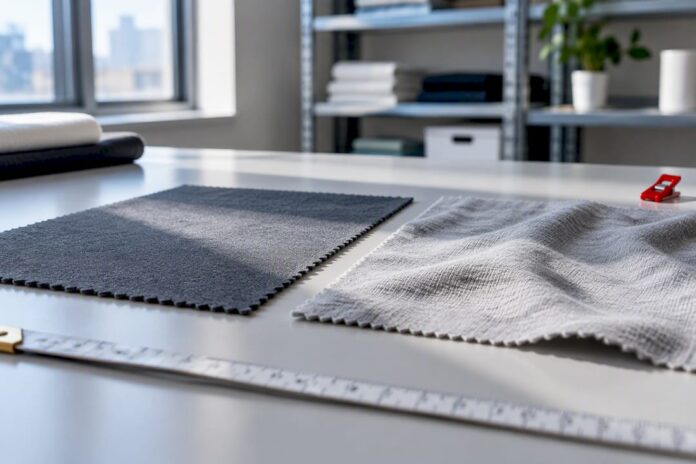
Pick tri-blend when you want a soft, lived-in feel with a heathered, vintage look. The deciding factor is simple: if you care more about drape and comfort, go tri-blend; if you care more about how sharp your graphic looks, cotton wins every time.
TL;DR:
- Tri-blend shirts resist shrinking better than cotton due to polyester’s moisture resistance, making them more durable after washing.
- Cotton provides sharper, more vibrant prints suitable for bold logos, while tri-blend offers a softer, vintage look ideal for a muted aesthetic.
- Polyester in tri-blend helps shirts retain their shape and resist pilling, even after multiple washes, unlike cotton which can sag or fade.
- The fiber composition on labels is legally required and confirms if a shirt is truly tri-blend or a cotton blend like CVC or 50/50 poly-cotton.
- For humid climates or heavy sweating, cotton’s breathability offers the best comfort, while tri-blend dries faster and maintains its structure.
Table of Contents
Tri Blend vs Cotton: What’s Actually in the Fabric
That’s the standard tri-blend shirt meaning you’ll find on most hang tags, though ratios can shift slightly by manufacturer. Each fiber contributes something different: polyester adds strength and shape retention, cotton adds natural comfort, and rayon adds the soft drape people notice the second they put the shirt on.
Some shirts labeled “cotton” are actually blends like CVC (chief value cotton, usually 60% cotton and 40% polyester) or 50/50 poly-cotton, so it pays to read the label closely.
That label isn’t optional marketing copy, either. The FTC requires garment tags to disclose the generic fiber names and their exact percentage by weight, which means you can verify what you’re buying instead of trusting a brand’s description alone.
- Tri-blend: roughly 50% polyester, 25% cotton, 25% rayon
- 100% cotton: single natural fiber, sometimes blended into CVC or 50/50 poly-cotton
- FTC rule: fiber percentages must appear on every garment’s label
How Do Tri Blend and Cotton Feel Different?
Rayon is the reason tri-blend shirts feel almost worn-in right out of the package. It softens the fabric and gives it a fluid drape that clings slightly without feeling tight. Cotton, on the other hand, has a firmer, crisper hand when new. It’s the fabric most people grew up wearing, and that structure is part of its appeal.

Breathability tells a similar story. Cotton is a natural fiber with excellent airflow, which is why it’s long been considered a top pick among cotton fabric advantages for hot climates and all-day wear. Tri-blend breathes reasonably well too, but the polyester content means it dries faster after a wash or a sweaty afternoon.
Wear patterns diverge as well. Cotton softens with repeated washing but can lose shape if it’s not pre-shrunk. Tri-blend tends to keep its structure wash after wash because polyester resists the stretching and sagging that pure cotton is prone to.
- Tri-blend: softer initial feel, more drape, faster drying
- Cotton: firmer initial feel, better breathability, softens over time
- Best for humid climates or heavy sweating: cotton’s airflow has the edge
- Best for travel or quick-dry needs: tri-blend’s polyester content helps
Pro Tip: If you’re not sure which feel you prefer, touch both fabrics side by side before buying in bulk for a team or event. The difference between tri-blend vs cotton feel is obvious in seconds, and it’s the detail most people regret not checking first.
Does Tri-Blend Fabric Shrink Less Than Cotton?
Shrinkage is where tri-blend has a real practical advantage. Cotton can shrink noticeably in hot wash and dry cycles unless it’s been pre-shrunk, while the polyester in tri-blend resists that shrinkage because synthetic fibers don’t absorb water and swell the way cotton does. Polyester also helps tri-blend resist pilling and hold color longer through repeated washes.
Neither fabric needs complicated care, but the small details matter more than most people assume.
- Wash both fabrics in cold water to protect color and minimize shrinkage risk.
- Skip the high-heat dryer setting. Tumble dry low or hang dry when possible, especially for printed shirts.
- Turn graphic tees inside out before washing to protect the print from friction.
- Avoid fabric softener on tri-blend, since it can degrade the moisture-wicking benefit of the polyester content.
- Store shirts folded rather than hung on thin hangers to avoid shoulder stretching over time.
For more on protecting printed designs specifically, see this guide on how to wash graphic tees without cracking or fading the artwork.
Which Fabric Prints Better: Tri-Blend or Cotton?
This is usually the deciding question for anyone buying shirts to promote a message, a brand, or a cause. Cotton’s tight, uniform surface gives ink and dye a flat, even base to sit on, which is why cotton produces brighter, crisper results in both screen printing and direct-to-garment printing. If the goal is a bold, high-contrast graphic that reads clearly from across a room, cotton is the safer bet.
Tri-blend takes ink differently because its three fibers each absorb dye at a different rate. The result is a softer, slightly muted print with a heathered, vintage quality that many lifestyle brands intentionally chase. Thick, high-opacity ink layers also sit less flat on tri-blend’s textured surface than they do on cotton.
- Choose cotton for bold logos, sharp text, or high-contrast advocacy graphics
- Choose tri-blend for a faded, retro aesthetic on a soft base layer
- Screen printing and DTG both perform more predictably on cotton
- Heather colors intensify the vintage effect tri-blend is known for
Tri Blend vs Cotton T-Shirts: Cost and Best Use Cases
Tri-blend shirts usually cost more than cotton basics, largely because blending three fibers and achieving a consistent heather finish adds manufacturing steps. Brands chasing a soft, premium feel often accept that higher price, while brands focused on vibrant printing or tight budgets tend to stick with cotton.
Matching fabric to purpose matters more than chasing whichever one sounds trendier.
- Premium lifestyle shirts: tri-blend, for the soft hand and vintage drape
- Athletic or athleisure wear: tri-blend, since rayon adds stretch and polyester adds durability
- Everyday basics and budget merch: cotton, for cost and breathability
- Promotional shirts with logos or bold graphics: cotton, for print clarity
Pro Tip: If you’re ordering shirts for an event or a cause and can only pick one fabric, ask yourself which matters more: the message being legible from ten feet away, or the shirt getting worn again and again after the event ends.
How to Read a T-Shirt Label Before You Buy
Every legitimate fiber percentage has to appear on the garment tag by law, so reading the label is genuinely the fastest way to confirm what you’re buying. Genuine tri-blend fabric benefits only apply when rayon actually appears in the fiber list.
Beyond the fiber breakdown, a few construction details separate a well-made shirt from a cheap one:
- Combed ringspun cotton feels smoother and pills less than standard carded cotton
- Higher GSM (grams per square meter) generally means a thicker, more substantial shirt
- Heather colors on tri-blend come from the fiber blend itself, not surface dyeing
- A tag listing exact percentages, not vague terms like “blend,” signals a transparent manufacturer
Schizophrenic’s own Rorschach tank top lists its tri-blend composition directly on the product page, which is the standard every label should meet.
Why Fabric Choice Matters for Advocacy Apparel
A shirt only spreads a message if someone actually wears it more than once. That’s why comfort and durability matter as much as the artwork itself: a scratchy or shapeless shirt gets buried in a drawer, no matter how meaningful the design. Print legibility matters just as much. A graphic meant to spark a conversation about mental illness needs to stay sharp after twenty washes, not fade into something unreadable by the second month. Fabric choice is a message decision, not just a comfort one.
— Michelle
Find Your Fit in Our Mental Health T-Shirt Collection
Schizophrenic picks fabric the same way we pick our messaging: with intention. Our Mental Health T-Shirts collection includes both cotton and tri-blend options because different designs call for different feels. Bold, high-contrast graphics get the crisp clarity that cotton provides, while pieces built around a softer, vintage aesthetic use tri-blend’s drape to their advantage. Every product page lists the exact fiber makeup, so you know precisely what you’re wearing before you buy. If you want a shirt that holds up to daily wear and still gets people asking about the art on your chest, browse the collection and pick the fabric that matches how you’ll actually use it.
Sources
FAQ
What Is Tri-Blend Fabric?
Tri-blend fabric combines three fibers, typically 50% polyester, 25% cotton, and 25% rayon.
What Do Tri-Blend Shirts Feel Like?
Tri-blend shirts generally feel softer and more fluid than cotton right out of the package, with some wearers describing the texture as having a broken-in softness and slight stretch not typical of pure cotton.
Does Tri-Blend Fabric Shrink?
Tri-blend shrinks less than 100% cotton because polyester resists the moisture absorption that causes cotton fibers to contract in hot wash and dry cycles. Washing in cold water and skipping high heat in the dryer keeps shrinkage minimal on both fabrics.
What Is the Unhealthiest Fabric to Wear?
There’s no single fabric that qualifies as universally unhealthy, but fully synthetic fabrics with no natural fiber content tend to trap heat and moisture against the skin more than cotton or cotton blends.
Is Tri-Blend Better Than Cotton?
Neither fabric is universally better since the right choice depends on what you need. Tri-blend wins for softness, drape, and shrink resistance, while cotton wins for breathability and print clarity, and Schizophrenic’s T-shirt collection offers both so you can match the fabric to the design.
Recommended
Comments