India’s winter air pollution is worsening, with UNEP warning the crisis is nearing disaster levels.
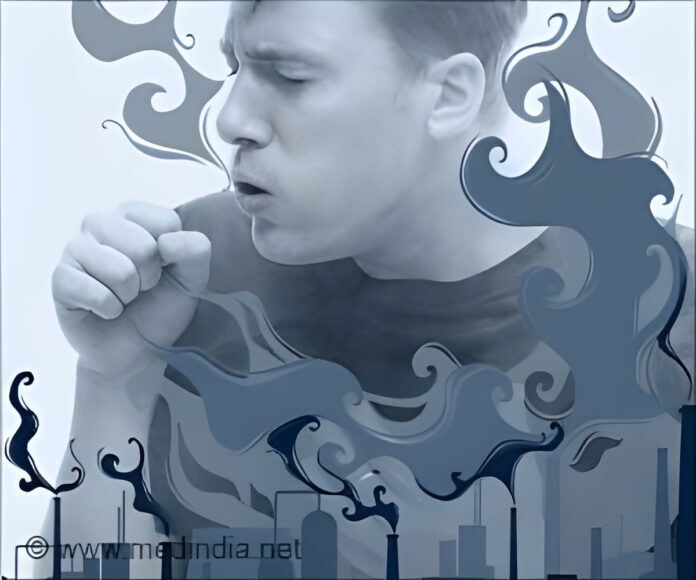
As winter descends on northern India, millions in Delhi and surrounding regions are once again facing choking smog, stinging eyes, burning throats, and growing fears about the safety of every breath.
A thick, pale haze blankets the city, signaling what experts warn is a public health emergency.
()
“This is no longer just an environmental issue. We are breathing ourselves to death,” said Dr. Balakrishna Pisupati, Head of the United Nations Environment Programme (UNEP) in India. “An Air Quality Index (AQI) of 400 or 500 is 35 times higher than international safe limits. That is severe — dangerous for everyone.”
TOP INSIGHT

For millions in #Delhi and nearby regions, #winter has become a season of masks, burning throats, stinging eyes, and a terrifying fear that even breathing may be harmful. This is the cruel reality of severe #airpollution. The high #AQI demands immediate, sustained action to protect public health. #DelhiPollution #CleanAirNow #PublicHealth
Winter Trap Intensifies Delhi’s Air Pollution, Trapping Toxic Smog Near Ground
The winter months exacerbate the crisis through a meteorological phenomenon known as the “winter trap.” As temperatures drop, cold, dense air refuses to rise, causing pollutants — dust, smoke, industrial emissions, and vehicle exhaust — to accumulate near the ground.
Low wind speeds, often just three to four kilometers per hour in Delhi, prevent the dispersion of these pollutants. The region’s geography, surrounded by the Himalayas and forming a shallow basin, further traps the contaminated air, creating a persistent haze that endangers public health.
While public discourse often highlights crop-residue burning in neighboring states as the primary culprit, UNEP officials emphasize a more complex reality.
“There is no single villain,” Dr. Pisupati explained. “Construction dust, brick kilns, industries, vehicular emissions, diesel exhaust, and crop burning all contribute. In winter, the dispersion mechanism collapses and everything accumulates.”
The consequences are severe. Residents face annual spikes in respiratory and cardiovascular conditions, including asthma, bronchitis, heart strain, and infections. Tiny particulate matter (PM2.5) penetrates deep into the lungs and bloodstream, exacerbating long-term health risks.
India Rolls Out CAQM and NCAP to Tackle Air Pollution, Experts Call for Public Action
India has implemented several measures to combat air pollution, including the Commission for Air Quality Management (CAQM) and the National Clean Air Programme (NCAP), which aim to reduce particulate pollution and improve monitoring, forecasting, and emergency response. Yet experts stress that policy alone is insufficient without widespread public engagement and behavioral change.
“You cannot solve this in two months,” Dr. Pisupati warned. “Air pollution must be managed year-round, with active participation from governments, industries, households, commuters, resident welfare groups, and enforcement agencies.”
Compliance and public cooperation, he noted, remain inconsistent, limiting the effectiveness of existing initiatives.
UNEP’s assessment paints a stark picture: India’s air pollution is nearing disaster levels. Pollutants that enter the body now persist far longer, amplifying health impacts.
Dr. Pisupati outlined a three-pronged approach to tackle the crisis: coherent policies across ministries, cross-state cooperation, and a multistakeholder, people-centered model engaging industries, communities, youth, media, academia, and health professionals.
UNEP Launches Air Quality Action Forum to Drive Collaborative Pollution Solutions
UNEP has launched an Air Quality Action Forum, a platform encouraging collaboration between government agencies, civil society, industries, and youth to implement technological upgrades, clean operations, and behavioral interventions.
Despite India’s rapid adoption of renewable energy and ambitious climate targets, experts stress that without behavioral change at the individual and community level, efforts will fall short.
“Environment is unique — everyone is impacted by it, and everyone contributes to the problem,” Dr. Pisupati emphasized.
UNEP, in collaboration with India’s Ministry of Environment, is designing a national behavior change programme to reduce individual environmental footprints and mitigate pollution risks.
The winter haze over Delhi is not merely a seasonal phenomenon; it is a symptom of a larger, systemic environmental challenge demanding sustained action, collaboration, and awareness across all levels of society.
References:
- India’s winter air turns toxic: UNEP warns crisis is ‘nearing disaster levels’ – (https://india.un.org/en/306178-india%E2%80%99s-winter-air-turns-toxic-unep-warns-crisis-%E2%80%98nearing-disaster-levels%E2%80%99)
Source-Medindia