Launching a career in health research is a noble, if slightly daunting, prospect. Being part of, or even perhaps leading the team that makes a big breakthrough in the treatment, detection or prevention of a disease or health issue is every researchers dream. But how can you build a career in what is often a competitive field?
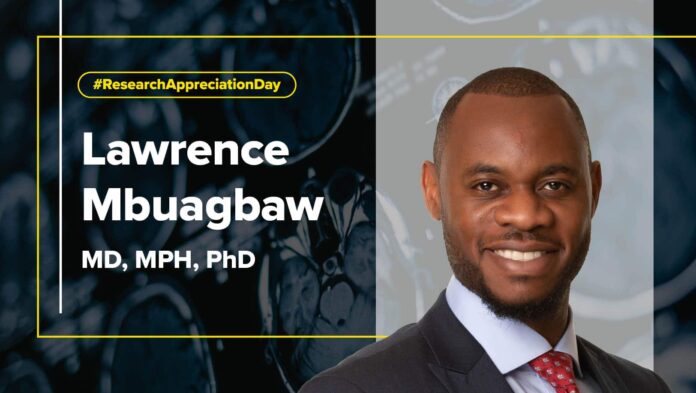
Associate professor Lawrence Mbuagbaw, from the department of Health Research Methods and Evidence and Impact at McMaster University and the Research Methodology Centre of St Joseph’s Healthcare Hamilton, shares some advice from his 2013 co-written paper; Tips for charting the course of a successful health research career.
1. Start writing early
The skills required for writing manuscripts, explaining complex scientific concepts simply and presenting data in easily understandable formats take time to develop. The earlier you can start the better. This also applies to grant applications as writing these are a skill in themselves and you should practice early and often.
2. Find a mentor
It’s important to distinguish between a supervisor and a mentor. Whilst supervisors will hold you to account for specific deliverables, a mentor will offer more holistic advice and guidance. Many people are flattered to be asked so don’t be afraid to reach out to potential mentors through your alumni network, institution or even on LinkedIn.
3. Develop your specific interest
Whilst early career researchers shouldn’t limit their options by developing a specialist area too early, they should avoid becoming a ‘jack of all trades’. Having an area of interest helps to focus your work without limiting future opportunities to collaborate or secure funding.
4. Network, network, network
Networking with your peers and colleagues (both junior and senior) not only helps to grow your profile within the sector but it opens the doors to collaboration opportunities. Networking doesn’t have to be in person, sites such as LinkedIn and ResearchGate are great forums for professionals to meet and share ideas. The NIHR also operates specialised Incubators which help researchers to build capacity and professional communities.
5. Shout about what you do
It’s never too soon to start communicating about your work. Even if you are relatively junior in your research team, practicing the skills of communicating research findings in clear understandable ways to different audiences will help you throughout your career. Register with the Science Media Centre, a database of experts from different scientific fields who help journalists ensure their coverage of science stories is accurate.
6. Become a reviewer
Becoming a peer reviewer is not only your way of giving back to the scientific community and advancing scientific knowledge. It helps build your own knowledge base, keeps you abreast of the latest scientific developments and helps to hone your own science writing skills.