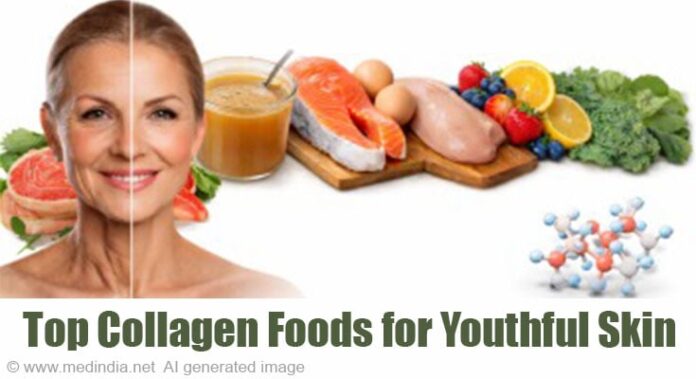
Diets rich in protein, vitamin C, and antioxidants may help preserve collagen, improve skin elasticity, and slow visible wrinkle formation with age.
- Higher vitamin C intake is associated with fewer wrinkles and less skin dryness
- Diets rich in antioxidants may slow collagen breakdown caused by oxidative stress
- Protein-dense foods supply amino acids essential for new collagen formation
Skin aging is driven by a gradual loss of collagen, the structural protein that keeps skin firm and smooth. Wrinkles, sagging, and dryness appear as collagen production slows and existing fibers are damaged by ultraviolet radiation, pollution, and oxidative stress. Scientists are increasingly examining whether diet can influence these processes and delay visible aging (1✔ ✔Trusted Source
Dietary nutrient intakes and skin-aging appearance among middle-aged American women
Go to source
).
Collagen is synthesized in the body from amino acids such as glycine and proline and requires vitamin C as a critical cofactor. Antioxidants further protect collagen by neutralizing free radicals that degrade connective tissue.
Can Diet Influence Wrinkle Formation and Skin Elasticity?
One of the most cited population studies, published by Cosgrove and colleagues in the American Journal of Clinical Nutrition, analyzed dietary records and skin assessments in more than 4,000 women aged 40 to 74 years.
Women with higher vitamin C intake had significantly fewer wrinkles and less age-related dryness. Each incremental rise in vitamin C consumption was linked to measurable improvements in skin appearance after adjustment for age, smoking, and sun exposure (2✔ ✔Trusted Source
Diet and Skin Aging-From the Perspective of Food Nutrition
Go to source).
In a 2020 narrative review in Nutrients, Cao and co-authors summarized evidence from epidemiologic and experimental studies showing that antioxidant-rich diets correlate with reduced oxidative stress markers in skin and slower collagen degradation.
What Does Research Say About Collagen Supporting Nutrients?
Vitamin C is essential for hydroxylation reactions that stabilize newly formed collagen fibers. Deficiency impairs wound healing and accelerates skin fragility.
Antioxidants such as carotenoids, polyphenols, and vitamin E reduce ultraviolet-induced collagen breakdown in laboratory models.
Adequate dietary protein supplies the amino acids required for collagen assembly, while omega-3 fatty acids may reduce inflammatory pathways linked to premature aging.
Which Foods Help Support Collagen Production Naturally?
Based on nutrient profiles highlighted in clinical nutrition research, experts emphasize five categories of foods:
Fatty fish provide high-quality protein and omega-3 fats associated with lower inflammation.
Eggs supply proline and sulfur-containing amino acids involved in connective tissue formation.
Poultry contains collagen-rich connective tissue and structural proteins.
Citrus fruits and berries are leading sources of vitamin C needed for collagen synthesis.
Leafy greens and colorful vegetables deliver carotenoids and polyphenols that counter oxidative stress.
What Is the Takeaway for Anti-Aging Nutrition?
Current evidence does not suggest that diet can halt aging entirely, but consistent intake of collagen-supporting nutrients appears to improve skin resilience and slow wrinkle development. Researchers agree that nutrition works best alongside sun protection, adequate sleep, hydration, and avoidance of smoking.
Scientific studies indicate that diets rich in vitamin C, antioxidants, and high-quality protein may help preserve collagen and delay visible skin aging. Choosing these foods regularly could be a practical strategy for supporting healthier looking skin over time.
Frequently Asked Questions
Q: What foods increase collagen naturally for skin?
A: Fish, eggs, poultry, citrus fruits, berries, and leafy greens provide amino acids and vitamin C that support collagen production.
Q: Can diet really reduce wrinkles according to studies?
A: Population studies show higher vitamin C and antioxidant intake is linked with fewer wrinkles and less skin dryness.
Q: How long does it take for dietary changes to affect skin?
A: Skin renewal cycles take weeks, so consistent healthy eating for several months is usually required to notice changes.
Q: Is collagen from food better than supplements?
A: Research supports whole foods because they provide multiple nutrients that help the body synthesize its own collagen.
Q: Which specialist should I consult for skin aging concerns?
A: A dermatologist or a nutrition specialist can guide diet and lifestyle strategies for healthier aging skin.
References:
- Dietary nutrient intakes and skin-aging appearance among middle-aged American women – (https://pubmed.ncbi.nlm.nih.gov/17921406/)
- Diet and Skin Aging-From the Perspective of Food Nutrition – (https://pubmed.ncbi.nlm.nih.gov/32213934/)
Source-Medindia