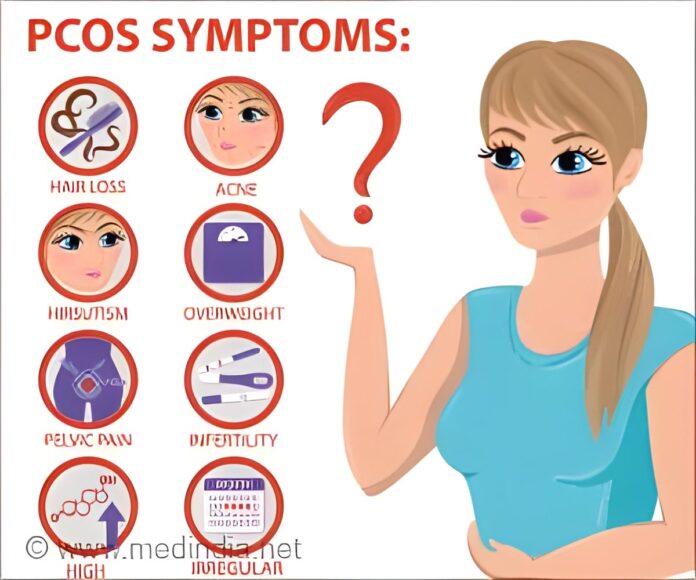
Lean PCOS affects women with normal body weight but still disrupts hormones, fertility, and metabolism, and often goes undiagnosed.
- You can have PCOS even with a normal BMI.
- Lean PCOS may have fewer visible symptoms, making diagnosis harder
- Lifestyle support, hormone balance, and insulin control remain key treatment
Most people picture PCOS as a condition that affects women with weight gain. But up to 20% of PCOS cases occur in women who look completely average or even underweight, a form known as Lean PCOS (1✔ ✔Trusted Source
Lean polycystic ovary syndrome (PCOS): an evidence-based practical approach
Go to source
).
These women often face the same hormonal imbalances, irregular periods, acne, fertility struggles, and metabolic issues without the “visual clues” doctors typically rely on.
That’s why Lean PCOS is frequently missed, dismissed, or misdiagnosed.
TOP INSIGHT

Did You Know?
PCOS doesn’t care about your dress size — hormones misbehave at any weight. #leanpcos #womenhealth #hormones #pcosawareness #medindia
What Exactly Is Lean PCOS?
Lean PCOS refers to PCOS in women with a BMI of 25 or lower. Despite having a healthy weight, these women still experience:
- irregular or absent ovulation
- elevated androgens (male hormones)
- acne or hirsutism
- cysts appearing on ultrasound
The key difference? Their symptoms often look milder, but internally, the hormonal disruption is very real.
How Lean PCOS Differs From Classical PCOS
Lean and overweight PCOS share many features:
- chronic low-grade inflammation
- oxidative stress
- insulin resistance (yes, even in slim women!)
- irregular cycles
- androgen excess
But Lean PCOS tends to show subtler signs, and body composition may differ despite a normal weight. This makes many women think: “Something’s wrong, but how can I have PCOS if I’m not overweight? The answer: weight is only one piece of the puzzle.
Insulin Resistance: The Hidden Villain in Lean PCOS
Even if someone looks slim, their cells may still struggle to use insulin properly.
Research shows:
- 83% of women with lean PCOS have insulin resistance
- compared to 93% in women with PCOS who are
overweight
So while the percentage is lower, it’s still very common, and insulin issues drive many PCOS symptoms, including:
- irregular cycles
- high androgens
- acne
- fertility issues
This is why treatment must address hormones and metabolism, not just weight.
Symptoms of Lean PCOS
Lean PCOS can be tricky because symptoms are easy to overlook:
- irregular or absent periods
- acne or oily skin
- excess facial/body hair
- hair thinning
- skin tags
- darkened skin patches (less common but possible)
Many also experience mood changes, especially during adolescence, including anxiety, depression, and emotional swings.
Why Lean PCOS Is Harder to Diagnose
Women with a normal BMI often face delays in getting diagnosed with lean PCOS because doctors typically associate the condition with weight gain. As a result, their symptoms may be dismissed as “stress-related,” leading to unnecessary tests, missed metabolic risks, and a lack of proper treatment. Since lean PCOS can mimic other hormonal disorders, accurate diagnosis often requires ruling out conditions such as thyroid dysfunction and Cushing syndrome.
What Actually Works for Lean PCOS?
The goal isn’t weight loss, it’s metabolic and hormonal balance.
- Nutrition Support
Women with lean PCOS should focus on quality, not calorie restriction.
Helpful strategies include:
- balanced meals with proteins and fibre
- reducing high-glycemic snacks
- avoiding restrictive diets
- supporting gut and metabolic health
- Strength and Movement
Exercise improves insulin sensitivity, even without weight loss.
- Medications (When Needed)
Doctors may prescribe:
- insulin sensitizers (like thiazolidinediones)
- hormonal treatments for acne or irregular periods
- ovulation-supporting medications for fertility
- Fertility Support
Assisted reproductive technologies may be needed for some women.
Lean PCOS is absolutely treatable, but requires a tailored approach, not the standard “lose weight” message.
Final Takeaway
You don’t need to gain weight to have PCOS, and you don’t need to lose weight to manage it. Lean PCOS is real, underrecognized, and absolutely treatable. With the right care, most women can restore hormone balance, protect long-term health, and improve fertility. If your cycles feel “off” or symptoms don’t add up, trust your instincts and ask your doctor to look deeper.
Reference:
- Lean polycystic ovary syndrome (PCOS): an evidence-based practical approach – (https://pmc.ncbi.nlm.nih.gov/articles/PMC6405408/)
Source-Medindia