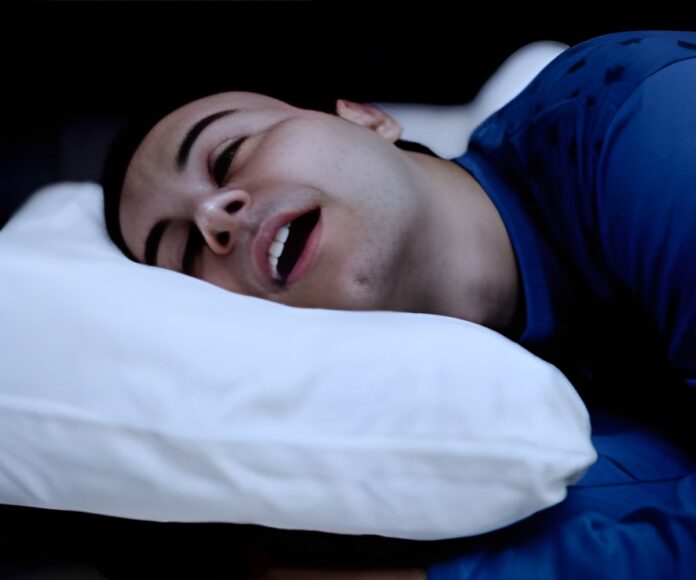
Moderate to severe sleep apnea triggers oxygen drops and blood pressure spikes that injure brain vessels, sharply increasing risks of stroke and cerebral microbleeds.
- Severe sleep apnea linked to more than double the risk of cerebral microbleeds
- Oxygen dips and nighttime blood pressure spikes damage brain micro vessels
- Early screening and CPAP can reduce long term stroke risk
Sleep apnea, once thought to be just a loud snoring problem, is now recognized as a significant threat to long term brain and vascular health (1✔ ✔Trusted Source
Obstructive Sleep Apnea and Cerebral Microbleeds in Middle-Aged and Older Adults
Go to source
).
Repeated pauses in breathing at night can cause oxygen deprivation, sudden rises in blood pressure and microvascular injury within the brain.
New evidence shows that these effects can gradually raise the risk of stroke and silent structural damage.
Recent findings have highlighted a strong association between moderate to severe obstructive sleep apnea and the development of cerebral microbleeds. These microbleeds are tiny areas of bleeding in the brain that often go unnoticed but are linked to future stroke, cognitive decline, and increased vulnerability to vascular events.
How Sleep Apnea Damages the Brain
A long-term study involving sleep assessments and brain imaging found that individuals with moderate to severe sleep apnea had more than double the risk of developing new cerebral microbleeds compared with those without the condition.
Over eight years, microbleeds occurred in 7.25 percent of those with sleep apnea compared with 3.33 percent in those without it.
Notably, mild sleep apnea did not carry the same level of risk, suggesting that repeated oxygen drops and nighttime blood pressure fluctuations must reach a certain severity before causing lasting damage to the brain’s tiny vessels.
The Nighttime Link Between Apnea and Stroke
Global and regional data show rising stroke rates, and sleep apnea appears to be a key contributing factor. When breathing slows or stops, oxygen levels fall sharply. This low oxygen state leaves brain cells vulnerable to injury. At the same time, each apneic pause triggers the release of stress hormones, which cause abrupt spikes in nighttime blood pressure.
These physiological disturbances create conditions that increase the likelihood of stroke. Many strokes occur during sleep or soon after waking, and research suggests that sleep apnea may be an underlying trigger. Individuals who also have irregular heart rhythms may face added risk.
Shared Risk Factors That Make Apnea Dangerous
Sleep apnea and stroke share several major risk factors including advanced age, obesity, high blood pressure, diabetes, and smoking. Older adults with untreated sleep apnea face a significantly higher risk of stroke even when other medical conditions are considered. Many individuals remain undiagnosed because symptoms such as loud snoring, gasping at night or morning fatigue are often overlooked.
Beyond the risk of a first stroke, untreated sleep apnea can lead to poorer recovery, greater disability, and more frequent recurrent strokes. This makes early detection essential for protecting long term brain health.
Reducing the Risk Through Early Detection
There is good news. Early diagnosis and effective treatment can significantly lower the risk associated with sleep apnea. Screening is recommended for individuals with cardiovascular risk factors, sleep related symptoms or a history of stroke. CPAP therapy, which keeps the airway open during sleep, stabilizes breathing, reduces oxygen dips, and improves blood pressure control.
Over time, CPAP can lower the risk of stroke and support better cognitive outcomes, offering a practical way to break the cycle of nighttime vascular stress.
Final Takeaway:
Sleep apnea is more than a breathing problem at night. It is a preventable cause of silent brain injury, and early action can protect long term neurological health.
References:
- Obstructive Sleep Apnea and Cerebral Microbleeds in Middle-Aged and Older Adults – (https://jamanetwork.com/journals/jamanetworkopen/fullarticle/2840617)
- Obstructive Sleep Apnea as a Risk Factor for Stroke and Death – (https://www.nejm.org/doi/full/10.1056/NEJMoa043104)
Source-Medindia