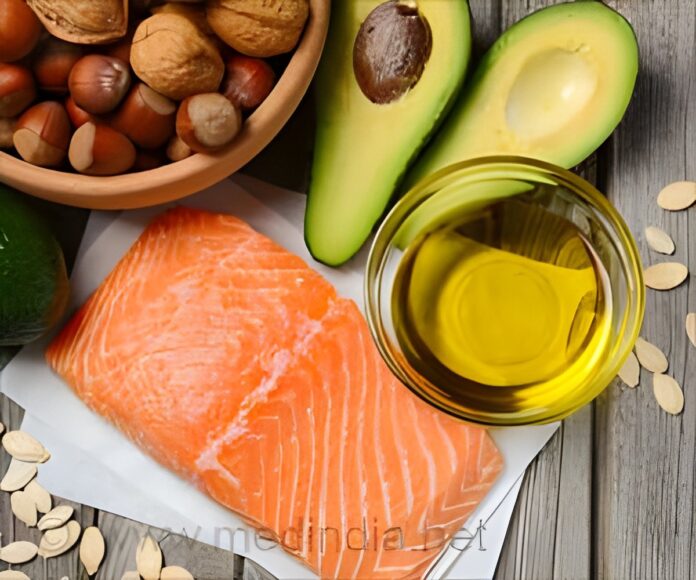
Eat like the Iberian coast- fresh fish, greens, and family meals not only fuel your body but support a sustainable future.
- The Atlantic diet combines fresh seafood, vegetables, and whole grains for powerful health benefits and reduced disease risk
- Scientific studies reveal that the diet lowers mortality, heart disease, obesity, and depression rates compared to Western eating habits
- Its focus on seasonal, local foods and shared meals supports environmental sustainability and cultural heritage
The Southern European Atlantic Diet (SEAD), often known as the Atlantic diet, is a traditional dietary pattern derived from the culinary history of northern Portugal and northwestern Spain, namely the region of Galicia. The Atlantic diet is based on a philosophy of eating fresh, local, seasonal, and minimally processed foods that represent the Iberian Atlantic coast’s abundant agricultural and maritime resources (1).
Traditional dietary patterns, such as the Atlantic diet, are getting scientific attention for their ability to prolong longevity while lowering the risk of harmful physiological diseases. Let’s look at an evidence-based examination of the Atlantic diet’s key components, as well as its nutritional composition and influence on a variety of health outcomes.
Advertisement
What is an Atlantic Diet?
The Atlantic diet is distinguished by a large intake of fresh fish and shellfish, as well as a surplus of seasonal vegetables, particularly Brassica kinds such as cabbage and kale. Fruits, whole grains such as corn and rye, potatoes, and legumes are all common staples of the Atlantic diet (2).
Olive oil is the most common culinary fat, used both in cooking and as salad dressing. Every day, people consume dairy products, especially milk and cheese. Alcohol consumption is relatively mild and consists primarily of wine eaten with meals, in accordance with cultural norms.
The Atlantic diet can be considered a comprehensive dietary lifestyle because meals are often made using simple techniques like as boiling, grilling, baking, and stewing, all of which maintain the nutritional integrity and natural flavors of the ingredients. Furthermore, anecdotal research suggests that family dinners hold significant cultural significance, since they promote attentive eating habits and improve social and community relationships (2).
Advertisement
Nutritional Profile and Functional Dietary Characteristics of Atlantic Diet
The physiological benefits of the Atlantic diet result from a synergistic combination of nutrients and bioactive substances. According to research, its nutritional profile is well-balanced, protecting humans against chronic inflammation and oxidative stress, which are at the root of many noncommunicable chronic diseases (2, 3).
The Atlantic diet recommends three to four servings of fish and shellfish per week, ensuring an adequate intake of long-chain omega-3 fatty acids. Eicosapentaenoic acid (EPA) and docosahexaenoic acid (DHA) are particularly effective anti-inflammatory macromolecules that protect cardiovascular health (2).
The emphasis on eating a diverse range of plant-based foods leads to a high intake of soluble and insoluble fiber. Sufficient fiber consumption is essential for increasing satiety, supporting regular bowel function, and maintaining metabolic homeostasis by regulating blood sugar levels and lowering LDL cholesterol.
Brassica crops are high in glucosinolates, which lower oxidative stress and have other anti-inflammatory benefits. Furthermore, consuming fresh or minimally processed dairy products on a daily basis, including fermented goods such as cheese, introduces probiotics that are beneficial for maintaining a healthy and diverse gut microbiota, which is necessary for proper immune function and overall health. Seaweed, which is increasingly included in traditional Portuguese and Galician dishes, contains unique bioactive substances including fucoxanthin, which may have anticancer and metabolic health effects (2, 3).
Health Benefits of Atlantic Diet
The Galicia Atlantic Diet (GALIAT) study was a six-month randomized controlled experiment involving 250 households in Galicia, northwest Spain, that included nutrition instruction, cooking courses, and curated food baskets, resulting in significant health gains in cases compared to controls. High adherence to the Atlantic Diet was linked to significant decreases in waist circumference, body weight, and LDL cholesterol levels, as well as an increase in high-density lipoprotein (HDL) cholesterol (4). In fact, study participants in the intervention group who were free of metabolic syndrome at baseline had a 68% lower risk of developing the illness than controls (5).
A European multicohort study used long-term observational data from over 35,917 participants over a median time of 13.6 years. Higher adherence to the Atlantic diet was linked to a considerably decreased risk of all-cause mortality, cardiovascular disease (CVD), and cancer-related mortality. A complementary multicohort research of 13,297 participants discovered that adhering to the Atlantic diet was associated with a 9% lower risk of getting depression during 3.9 years of follow-up (6).
Comparison of Atlantic Diet with Different Traditional Diets
The fundamental principles of the Atlantic diet are basically similar to those of the Mediterranean diet. However, due to significant geographical and agricultural variations, the Atlantic diet often includes more fish and seafood, dairy products, potatoes, and Brassica vegetables than the Mediterranean diet. Furthermore, the Mediterranean diet emphasizes legumes and limits red meat while allowing modest dairy consumption, typically in the form of cheese or yogurt, whereas the Atlantic diet allows for more of these foods.
These distinctions define the Atlantic diet as a unique, yet equally legitimate, paradigm of healthy eating that may be more economical and adaptable in areas where basic foods are more readily available (4).
Sustainability and Cultural Relevance of Atlantic Diet
The emphasis on local, seasonal, and minimally processed foods promotes environmental sustainability by minimizing food miles, lowering carbon emissions, and increasing biodiversity. Nonetheless, the Atlantic diet has an estimated carbon footprint of 3.0 kg of CO2 equivalents per person per day, with livestock and seafood consumption accounting for roughly 70% of these emissions.
This footprint is lower than many normal Western meal patterns, however a supplementary analysis of the GALIAT study indicated that dietary treatments did not significantly reduce carbon emissions when compared to controls, implying that environmental effects may be heavily dependent on food sourcing decisions (2, 7).
The Atlantic diet’s high seafood component is a major barrier to its broad adoption, as considerable and quick increases in seafood intake could strain existing overfished stocks and vulnerable marine ecosystems. As a result, any public health advice promoting the Atlantic diet must be accompanied by clear information on selecting seafood from verified sustainable sources (2, 8).
The Atlantic diet encourages the preservation of traditional culinary practices, as well as the important social significance of multigenerational home-cooked meals. Incorporating these virtues into the global food system may contribute to a more peaceful, sustainable, and healthier future (2).
Implementation and Global Appeal of Atlantic Diet
Despite growing acceptance in public health communities as a feasible and successful strategy for health promotion, the Atlantic diet faces significant challenges to global implementation. These limitations include the cost and availability of fresh fish, cultural differences in meal preparation, and a lack of overall knowledge of the basic components (4, 5).
The GALIAT trial’s success, which combined education, skills training, and food provision, provides a great paradigm for how widespread and long-term public health initiatives might overcome these challenges.
The Atlantic diet is a diverse and ancient eating pattern that successfully balances nutritional density, environmental sustainability principles, and deep cultural integrity. Recent clinical trials and large-scale cohort studies have produced compelling evidence that the Atlantic diet is a viable model for healthy eating.
While apparent health benefits have been established, research on environmental impact is more nuanced: the Atlantic diet has a smaller footprint than typical Western diets, but interventions such as the GALIAT study did not significantly cut carbon emissions. This means that sustainable results will be strongly reliant on responsible procurement, particularly for fisheries and cattle goods.
Individuals and communities around the world can use the principles of the Atlantic diet to achieve modern health goals in a sustainable way by prioritizing fresh, seasonal, and local foods, particularly fish, vegetables, and increasingly seaweeds, while also valuing the cultural importance of shared meals.
References:
- Observance of the Atlantic Diet in a Healthy Population from Galicia (NW Spain): A Comparative Study Using a New Scale-Based Procedure to Assess Adherence
(Rivas-Fernández, I., Roade-Pérez, P., López-Alonso, M., et al. (2025). Observance of the Atlantic Diet in a Healthy Population from Galicia (NW Spain): A Comparative Study Using a New Scale-Based Procedure to Assess Adherence. Foods, 14(15), 2614. DOI:10.3390/foods14152614., https://www.mdpi.com/2304-8158/14/15/2614) - The Southern European Atlantic Diet and Its Supplements: The Chemical Bases of Its Anticancer Properties
(Vivanco, P. G., Taboada, P., & Coelho, A. (2023). The Southern European Atlantic Diet and Its Supplements: The Chemical Bases of Its Anticancer Properties. Nutrients, 15(19), 4274. DOI: 10.3390/nu15194274. https://www.mdpi.com/2072-6643/15/19/4274) - Do Seaweeds Contribute to Nutritional Composition and Acceptance in Traditional Portuguese Recipes?
(Mendes, M. L., Pires, A., Gonçalves, A., Pires, C., Lourenço, H. M., Saraiva, A., Zandonadi, R. P., Ramos, F., & Raposo, A. (2025). Do Seaweeds Contribute to Nutritional Composition and Acceptance in Traditional Portuguese Recipes? Foods, 14(11), 1947. DOI:10.3390/foods14111947, https://www.mdpi.com/2304-8158/14/11/1947) - Effects of a Community-Based Behavioral Intervention with a Traditional Atlantic Diet on Cardiometabolic Risk Markers: A Cluster Randomized Controlled Trial (“The GALIAT Study”)
(Calvo-Malvar, M., Benítez-Estévez, A. J., Sánchez-Castro, J., Leis, R., & Gude, F. (2021). Effects of a Community-Based Behavioral Intervention with a Traditional Atlantic Diet on Cardiometabolic Risk Markers: A Cluster Randomized Controlled Trial (“The GALIAT Study”). Nutrients, 13(4), 1211.) - Traditional Atlantic Diet and Its Effect on Health and the Environment
(Cambeses-Franco, C., Gude, F., Benítez-Estévez, A. J., González-García, S., Leis, R., Sánchez-Castro, J., Moreira, M. T., Feijoo, G., & Calvo-Malvar, M. (2024). Traditional Atlantic Diet and Its Effect on Health and the Environment. JAMA Network Open, 7(2), e2354473. DOI:10.1001/jamanetworkopen.2023.54473.) - The Southern European Atlantic diet and depression risk: a European multicohort study
(Carballo-Casla, A., Stefler, D., Ortolá, R., Chen, Y., Knuppel, A., Ruiz, M., Kozela, M., Kubinova, R., Pajak, A., Rodríguez-Artalejo, F., Brunner, E. J., & Bobak, M. (2023). The Southern European Atlantic diet and depression risk: a European multicohort study. Molecular Psychiatry, 28(8), 3475–3483. DOI:10.1038/s41380-023-02125-9. https://www.nature.com/articles/s41380-023-02125-9) - Towards an environmentally sustainable and healthy Atlantic dietary pattern: Life cycle carbon footprint and nutritional quality
(Esteve-Llorens, X., Darriba, C., Moreira, M. T., Feijoo, G., & González-García, S. (2019). Towards an environmentally sustainable and healthy Atlantic dietary pattern: Life cycle carbon footprint and nutritional quality. Science of The Total Environment, 646, 704–715. DOI:10.1016/j.scitotenv.2018.07.264 https://www.sciencedirect.com/science/article/abs/pii/S0048969718327578) - Sustainable Seafood
(World Wildlife Fund. (n.d.). Sustainable Seafood. https://www.worldwildlife.org/industries/sustainable-seafood. Accessed on 11th August 2025.)
Source-Medindia