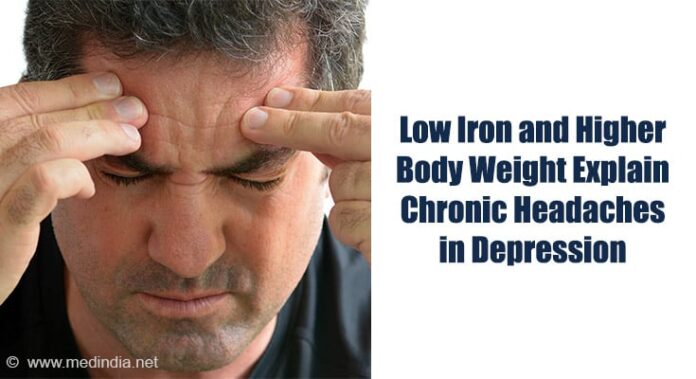
Depression shows a direct link with chronic headaches, with higher body mass index and lower dietary iron intake partly explaining this connection.
- Depression is directly linked to chronic headaches across a large adult population
- Higher body mass index and lower dietary iron intake partly explain this connection
- Physical activity affects headache risk indirectly, not as an independent factor
The association between depression and chronic headaches is partly explained by increased body mass index and reduced dietary iron intake, while physical activity does not independently account for this relationship (1✔ ✔Trusted Source
Mediating effects of physical activity, BMI, and dietary iron intake on the relationship between depression and chronic headaches
Go to source
).
Evidence supporting this conclusion comes from work published in the journal Scientific Reports, where model-based statistical mediation analyses were used to evaluate how diet, body weight, and activity levels relate to both conditions.
The results show that people with depression are more likely to experience chronic headaches directly, and also indirectly through higher body mass index and lower iron consumption. Physical activity, although associated with depression, did not emerge as a separate pathway explaining headache risk within the analytical framework.
TOP INSIGHT

Did You Know?
Higher #bodymassindex and lower daily #ironintake together help explain why people with #depression face a greater risk of #headaches occurring at least 15 days every month. #depressionheadachelink #BMI #mentalhealth #chronicheadache #medindia
Depression and Chronic Headache Burden
Depression is a widespread and disabling mental health condition that affects emotional state, thinking ability, sleep patterns, and overall quality of life. It is a leading contributor to disability worldwide and is especially common in South Asia and the Middle East, including Iran.
Chronic headaches were defined as headaches occurring at least fifteen days per month for three consecutive months. They include conditions such as chronic migraine and chronic tension-type headache and can significantly affect daily functioning, productivity, and quality of life. Chronic headaches often arise from a combination of biological, psychological, and lifestyle factors, making early identification and comprehensive management essential.
Chronic headaches affect a substantial share of adults and frequently occur alongside depression, pointing to a strong and complex association. Despite this frequent overlap, the biological and behavioral processes connecting depression with long-lasting headaches are not yet fully understood.
Psychological and Biological Pathways in Chronic Headaches
Biopsychosocial perspectives emphasize how psychological influences, bodily processes, and everyday behaviors interact in chronic headache conditions.
Several modifiable lifestyle factors are linked to both depression and chronic headaches. Depression has been associated with altered iron metabolism and reduced dietary iron intake, which may increase susceptibility to headaches.
People living with depression also tend to engage in less physical activity and are more likely to have a higher body mass index, both recognized risk factors for chronic headache disorders.
Although earlier work has separately connected depression with physical activity, body mass index, and iron intake, it has remained uncertain whether these factors statistically explain the relationship between depression and chronic headaches.
Population-Based Cohort from Iran
Cross-sectional information was drawn from the Ravansar Non-Communicable Disease cohort, part of a broader population investigation conducted in western Iran. Participants were adults aged 35 to 65 years who had lived in the area for at least nine months each year.
Information was gathered through in-person interviews using standardized electronic questionnaires. These captured details on sociodemographic background, medical history, depression status, and the frequency of headaches.
Measurement of Body Mass Index Diet and Activity
Physical activity levels were measured using validated questionnaires and reported as metabolic equivalent task-hours. Height and weight were measured directly, and body mass index was calculated using standardized methods. Dietary iron intake was estimated through validated food frequency questionnaires and the Iranian Food Composition Table.
Depression was identified either through assessment by a psychologist or through self-reported use of antidepressant medication. Path analyses were used to assess direct and indirect relationships, with body mass index, dietary iron intake, and physical activity evaluated as potential mediators.
Depression and Headache Prevalence Among Adults
The analysis included 9,918 adults with an average age of 47.3 years. Most participants were women, married, and had relatively low levels of formal education. The majority did not report depression or chronic headaches.
On average, participants showed moderate physical activity, were classified as overweight based on body mass index, and consumed about twenty milligrams of dietary iron daily. Those with depression differed significantly from those without depression in body mass index, physical activity, iron intake, and the prevalence of chronic headaches.
Correlation analyses revealed significant associations between depression and higher body mass index, lower physical activity, lower dietary iron intake, and a higher likelihood of chronic headaches. Age, sex, marital status, and education were included as adjustment factors.
Indirect Effects of Body Mass Index and Iron Intake
Path analysis indicated excellent model fit. Depression had a significant direct relationship with chronic headaches and indirect relationships through increased body mass index and reduced iron intake. Physical activity did not show an independent association with headache occurrence once other pathways were considered.
Mediation analyses confirmed that body mass index and dietary iron intake partially explained the depression–headache link. Physical activity influenced the relationship indirectly by its connections with body mass index and iron intake rather than serving as a direct mediator.
Depression Influences Chronic Headaches Directly and Indirectly
The findings indicate that depression relates to chronic headaches through both direct links and indirect, statistically modeled pathways involving body mass index and dietary iron intake. Although depression was associated with lower physical activity, activity levels alone did not independently explain headache risk.
Key strengths include the large population-based sample, consistent measurement methods, and the ability to evaluate multiple mediating factors at the same time. Limitations include the cross-sectional design, which does not allow cause-and-effect conclusions, and reliance on self-reported information.
The evidence points toward the importance of combined approaches that address mental health, body weight, and nutritional sufficiency to help lessen the burden of chronic headaches.
In conclusion, the evidence shows that depression is closely connected to chronic headaches, with higher body mass index and lower dietary iron intake playing meaningful roles in this relationship. Addressing mental well-being alongside weight management and adequate nutrition may offer a more effective way to reduce long-term headache burden.
Reference:
- Mediating effects of physical activity, BMI, and dietary iron intake on the relationship between depression and chronic headaches – (https://www.nature.com/articles/s41598-025-31993-0)
Source-Medindia