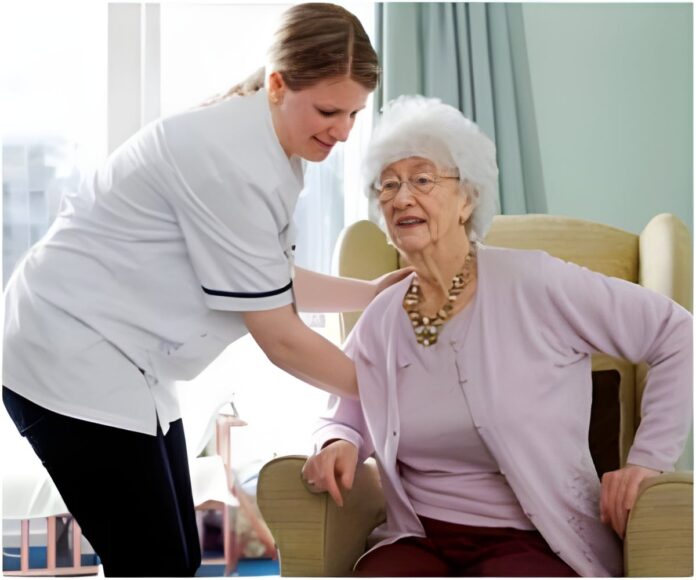
Ovarian cancer caregivers face severe emotional strain, anxiety, depression, financial stress, social isolation, and limited healthcare support, underscoring the need for improved caregiver support systems.
Caregiving can lead to significant financial strain, social isolation, and loss of personal wellbeing. But who cares for the caregivers? Are caregivers getting the support they need?
Hidden Burden of Caring for Ovarian Cancer Patients
Caregivers of people with ovarian cancer often experience strong emotional stress, take on heavy caregiving duties, and receive limited support throughout the course of the illness, reports a new scoping review from the University of Toronto.
Reality of Caregiving: The Heavy Burden Behind the Care
The scoping review, published in PLOS One, analyzed 32 studies spanning 25 years and identified consistent challenges experienced by caregivers before, during, and after their loved one’s illness (1✔ ✔Trusted Source
Exploring the experiences, challenges, and coping strategies of caregivers of women with ovarian cancer: A scoping review
Go to source
).
The researchers found high levels of anxiety, depression, grief, and burnout, alongside practical barriers such as financial hardship, limited communication with healthcare providers, and a lack of respite services.
“Caregivers shoulder immense emotional and physical demands, yet they remain largely overlooked in health care conversations,” says co-author Gabrielle C. Smith, a recent MSW graduate of the Factor Inwentash Faculty of Social Work (FIFSW) at the University of Toronto. “Better caregiver support is not optional, it is essential for high-quality patient care.”
Grief, Fear, and Fatigue: Inside the Caregiver Experience
Many caregivers reported clinically significant levels of anxiety and depression, especially during end-of-life caregiving. They also described ongoing fear, uncertainty, and profound grief following the loss of their loved one.
“The psychological toll is substantial. Caregivers suffer not just momentary stress, but long-term emotional hardship that affects every part of life,” says co-author Matthew R. Langiano, a recent MSW graduate of University of Toronto’s FIFSW. “Caregivers need structured supports such as counseling, information resources, and peer connection to lessen this burden.”
Left Out of the Loop: The Struggle of Caregivers in Medical Decision-Making
The review found that caregivers often felt excluded from discussions with medical teams, leaving them unsure how to manage symptoms or prepare for changing care needs. Many struggled to advocate for their loved one while also coping with their own distress.
“Caregivers frequently assume responsibilities far beyond what anyone expects, coordinating treatments, interpreting medical information, and making urgent decisions, yet they are rarely given the guidance they need,” says co-author Junhee Baek, a recent MSW graduate of University of Toronto’s FIFSW. “Improving communication between healthcare providers and caregivers could significantly improve both caregiver wellbeing and patient care.”
The Caregiver’s Journey: Silent Sacrifices Behind Cancer Care
Time pressures and caregiving duties often reduced caregivers’ ability to maintain family roles, employment, friendships, and self care routines.
“Caregivers are the backbone of cancer care, yet the enormous sacrifices they make—financially, emotionally, and socially—are rarely acknowledged at the policy level,” says senior author Professor Esme Fuller Thomson, Director of the Institute for Life Course & Aging, FIFSW, University of Toronto. “We hope this review inspires healthcare leaders to develop more family centered systems that support caregivers as essential partners in care.”
Coping Alone, Caring Always: The Unmet Needs of Caregivers
Caregivers frequently relied on spirituality, peer support, online communities, and family networks to cope, but these resources often fell short of addressing the intense demands of caregiving.
The authors call for the development of tailored interventions, including mental health supports, respite services, and improved caregiver inclusion in medical decision-making. They also emphasize the need for more research in underrepresented populations, including diverse families and caregivers in low- and middle-income countries.
Reference:
- Exploring the experiences, challenges, and coping strategies of caregivers of women with ovarian cancer: A scoping review – (https://journals.plos.org/plosone/article?id=10.1371/journal.pone.0345325)
Source-Eurekalert