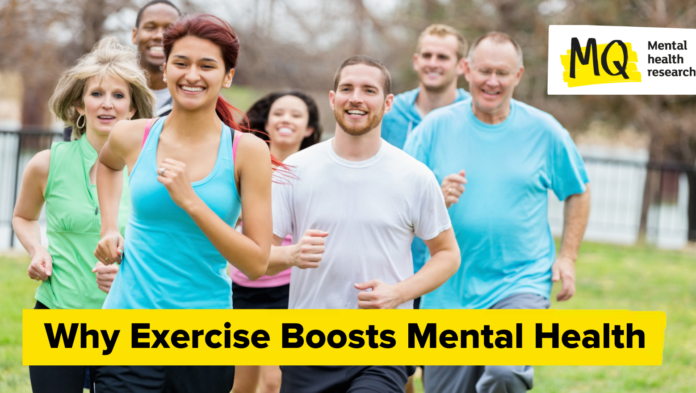
For depression, all forms of exercise were beneficial, but aerobic activity such as running or cycling had the strongest effects. Group-based and professionally supervised exercise programmes were also more effective than exercising alone, highlighting the importance of social support. Young adults aged 18 to 30 and postnatal women showed particularly strong benefits.
For anxiety, aerobic exercise was again most effective, but resistance training and mind-body practices such as yoga or tai chi also helped. Shorter interventions of up to eight weeks produced the strongest improvements, and lower-intensity exercise appeared more effective than high-intensity workouts, possibly because intense exercise can mimic physical anxiety symptoms.
The researchers found that the mental health benefits of exercise were comparable to those of medication and psychotherapy, positioning physical activity as a legitimate clinical intervention. However, they noted limitations, including variation in how exercise intensity was defined, possible publication bias, and overlapping participants in some reviews.
The authors emphasised that motivation remains a major barrier and called for more research into how people with depression and anxiety can be supported to maintain exercise routines. They also argued that healthcare professionals should prescribe exercise with the same confidence as traditional treatments and that public health guidelines should explicitly recommend it as a first-line option, particularly for young adults and new mothers.
Overall, the study provides strong evidence that exercise is a powerful and accessible tool for improving mental health. The challenge now lies in integrating tailored exercise programmes into healthcare systems and ensuring that people are supported to adopt and sustain them.