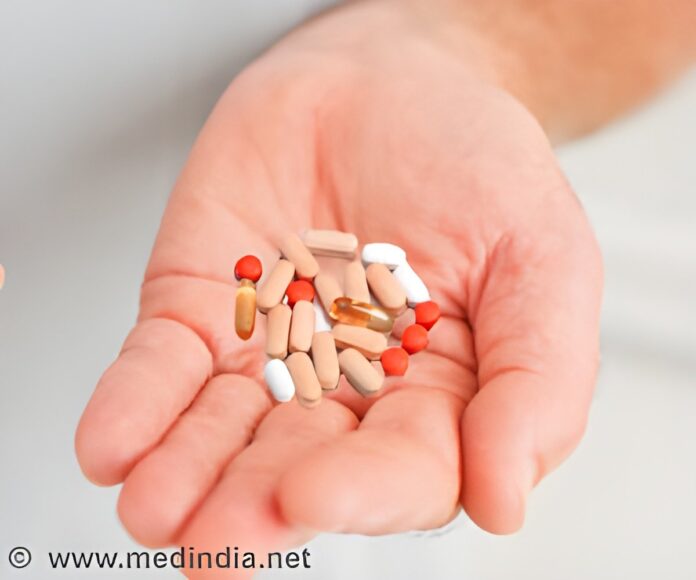
Learn how over-the-counter antihistamines can be misused and the serious health risks they pose for teens.
A growing number of adolescents and young adults are misusing over-the-counter antihistamines, raising the risk of serious health problems, including irregular heart rhythms, seizures, or even death. ()
These findings were presented at the American Academy of Pediatrics 2025 National Conference & Exhibition, held at the Colorado Convention Center from September 26-30.
The Dangers of Viral Trends: The Benadryl Challenge and Teen Drug Abuse
Dr. Noelia Swymeler, a pediatric resident at the University of Oklahoma at Tulsa School of Community Medicine, highlighted that social media trends, such as the viral “Benadryl Challenge,” are driving this dangerous behavior among teens.
Viral social media trends like the Benadryl Challenge illustrate how online challenges can quickly escalate into serious public health risks. Teens, drawn by the thrill of participation and peer validation, may consume dangerously high doses of diphenhydramine, an over-the-counter antihistamine, to induce hallucinations or a euphoric high.
Such misuse can lead to severe consequences, including irregular heart rhythms, seizures, coma, or even death. The challenge underscores the broader issue of teen drug abuse facilitated by social media, highlighting the urgent need for parental guidance, education, and proactive monitoring of online content to prevent these hazardous behaviors.
Her study, “Toxic Trends: The Hallucinatory Appeal of the TikTok Benadryl Challenge,” explains that the 2020 TikTok trend encouraged participants to take high doses of diphenhydramine, an over-the-counter allergy medication with sedative effects. Teens attempt to resist the drowsiness to experience hallucinations and euphoric effects.
“Even years after the challenge first went viral, we continue to see spikes in risky diphenhydramine use, showing how powerful and hazardous social media trends can be,” said Dr. Swymeler.
Diphenhydramine Toxicity: The Severe Risks of Misuse
Diphenhydramine, a first-generation antihistamine, can be highly toxic when misused, potentially causing seizures, cardiac problems, coma, or death.
The researchers recommend that parents, healthcare providers, and social media platforms remain vigilant about harmful online challenges. Families are urged to keep medications securely stored to prevent accidental or intentional misuse by teens.
“This study underscores the importance of ongoing education, safety measures, and awareness to protect teens from medications that are easily accessible in their homes,” added Dr. Swymeler.
References:
- Toxic Trends: The Hallucinatory Appeal of the TikTok Benadryl Challenge – (https://www.aap.org/en/)
Source-Medindia