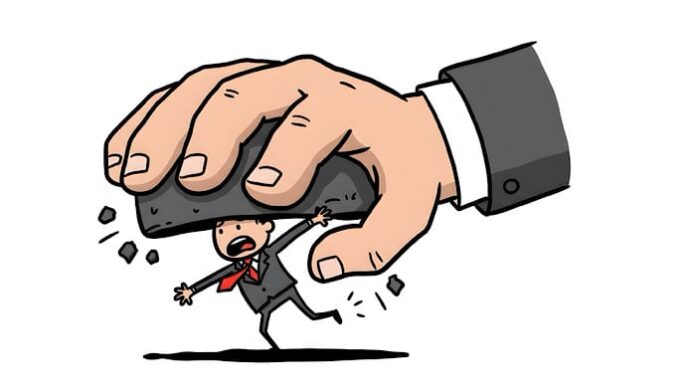
According to Merriam-Webster — “expect”: to consider probable or certain, to consider reasonable, due, or necessary, to consider bound in duty or obligated. There’s plenty of potential trouble in that definition. Let’s get into the danger of expectations.
Pause for a moment and think about your childhood and adolescence. What expectations were thrown your way?
Preliminaries: Would you agree that alarms don’t go off in the minds of most folks when they come upon the word “expect?”
The same is likely true for those of us living with an emotional or mental illness — until we feel the effects of the defining words “due,” “necessary,” and “bound in duty or obliged.” Suddenly, “potential trouble” transitions to “it’s on.”
Acceptance
A quick word on acceptance. In the 1943 Sherlock Holmes film The Spider Woman, Sherlock had to fake his death to get the angle he needed on a case. In a wonderful scene, the landlady, Mrs. Hudson, comforts a grieving Dr. Watson, saying to him, “What can’t be cured must be endured.”
Her caring observation is very much about acceptance, which we frequently discuss here. If you’ve been victimized by expectations, acceptance will help you on your healing journey.
And if you’re living with the fallout of expectations, know you’re not alone. I can’t tell you the number of clients who’ve shared that expectations are a major cause of their misery. By the way, mine, too.
Expectation in our formative years
Let’s take it back to childhood and adolescence where expectation begins its work. Reasonable and lovingly delivered expectation is important in soul building.
On the other side of the coin, unreasonable and harshly delivered expectation can kick-start soul destruction.

Someone’s getting a lot of attention. Is it supportive and nurturing or critical and judgmental?
Your takeaway
Pause for a moment and think about your childhood and adolescence. What expectations were thrown your way? Were they reasonable or darn near impossible to meet? Were they presented in a loving manner or cold and harsh?
And most important of all, what was your perception of the message — your takeaway?
I can’t think of too many children who don’t want to do all they can to please their parents or primary caregivers.
That said, if an expectation is unreasonable or delivered in a harsh manner, a child is still going to take responsibility for the marching orders and do everything possible to come through.
But what if that isn’t possible?
Forced to look inward
It seems to me a child can’t or won’t perceive the unreasonable nature of an expectation, so march on they will.
However, when ongoing attempts to meet an expectation don’t generate the positive attention the child needs and wants, I believe they’re forced to look inward for responsibility and blame.
And so begins a struggle with expectation, shame, self-esteem, and more that can continue into adulthood.
Expectation in adulthood

Our degrading questions and statements to ourselves had to come from somewhere. Any guesses?
So here we are in adulthood and many of us continue to feel the grip of our childhood and adolescence expectation experience.
Do you ever ask yourself questions, or make self-statements, such as…
- “Why do I screwup everything I touch?”
- “You’re a sorry excuse for a human being.”
- “Why can’t I be strong enough to overcome my depression?”
- “If I go to that event, everyone will see what a loser I am.”
…and so many more.
Those questions and statements had to come from somewhere. Though I absolutely believe in pre-wired temperament, I don’t believe questions and statements like that come without environmental influence.
Nope, we’ve been programmed to create and recreate them — day after degrading day.
It ain’t easy, but it’s worth it
So, the danger of expectations — sure, they can also be safe and secure. However, In many ways we have no control over which way it goes.
But like anything in our emotional and mental illness experience, we’re still responsible for management.
Which way has it gone for you? Even more significant, if it’s been an experience of danger, what are you doing to gain insight and make the adjustments necessary to effect change?
It ain’t easy, but it’s worth it.
P.S If you’re a parent or caregiver, think long and hard about your expectations — their intent and how you express them.
Hey, be sure to review the Chipur emotional and mental illness info and inspiration titles on the articles page — or by category below, right sidebar on desktop. We’ll both appreciate it.

After a decades-long wrestling match with emotional and mental illness, Bill finally found his professional and personal passion – life’s meaning. He wanted to lend a hand to those struggling as he did, so off he went to grad school at age 49 and earned his counseling credentials. He continues his service through Chipur and other projects.