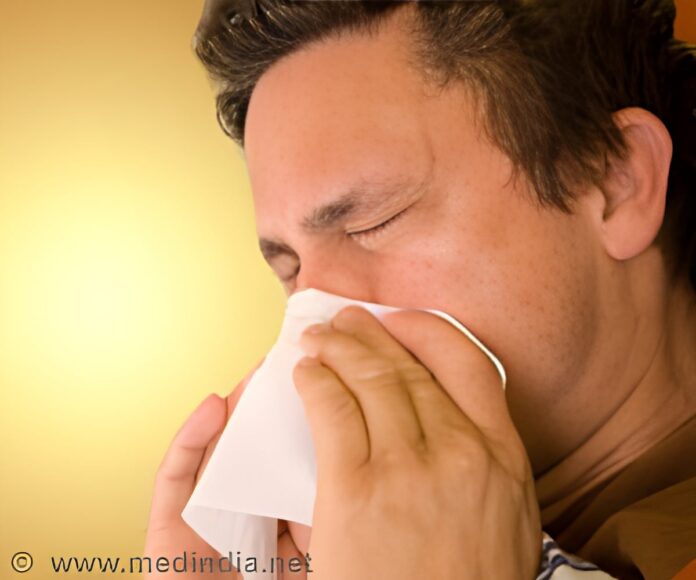
Delhi has reported more than 1,300 H1N1 cases this year. Learn how H1N1 spreads, its symptoms, prevention tips and warning signs that need medical attention.
- Delhi has reported more than 1,300 confirmed H1N1 cases this year as influenza activity rises during the monsoon
- Fever, dry cough, sore throat, body aches, headache and extreme tiredness are common flu symptoms
- Breathing difficulty, persistent or worsening fever, bluish lips or severe weakness need prompt medical attention
Delhi is seeing a sharp rise in H1N1 influenza cases, putting seasonal flu back in the spotlight as monsoon conditions continue (1✔ ✔Trusted Source
H1N1 Influenza
Go to source
).
According to a report published on August 10, Delhi had recorded 1,349 confirmed H1N1 cases in 2026, with no deaths reported from the disease at that time. Health authorities said hospitals were prepared to manage patients.
The numbers may sound alarming, but there is an important message for the public: most influenza infections are manageable, while certain groups are more likely to develop serious complications. Knowing what symptoms to watch for and when to seek medical care can make a significant difference.
What is H1N1 and Why Are Cases Rising Now?
H1N1 is a strain of Influenza A virus that causes respiratory infection. It became globally known during the 2009 influenza pandemic and continues to circulate as part of seasonal influenza.
Influenza can circulate throughout the year in tropical regions such as India, with periods of increased activity. WHO notes that flu usually causes sudden fever, cough, headache, muscle and joint pain, sore throat and a runny nose.
The current Delhi increase has been reported alongside a broader rise in respiratory infections during the monsoon and post-monsoon period.
How Do You Know if it Could Be H1N1?
H1N1 can look similar to other respiratory infections, so symptoms alone cannot confirm the virus. Common symptoms include:
- Fever, although fever may not always occur
- Dry cough
- Sore throat
- Runny or blocked nose
- Headache
- Muscle and body aches
- Chills or sweating
- Marked tiredness and weakness
- Red or watery eyes
- Sometimes nausea, vomiting or diarrhoea, particularly in children
Symptoms generally begin about 1–4 days after exposure to influenza virus.
H1N1 Symptoms at a Glance
| Common | More concerning |
|---|---|
| Fever | Persistent or worsening high fever |
| Cough | Difficulty breathing |
| Sore throat | Chest pain |
| Runny nose | Bluish lips or skin |
| Body aches | Severe weakness or confusion |
| Headache | Coughing up blood |
| Fatigue | Pneumonia-like symptoms |
Who Needs to Be More Careful?
Influenza can become more serious in people whose immune systems or underlying health conditions make it harder to fight infection. Higher-risk groups include:
- Young children
- Older adults
- Pregnant women
- People with diabetes
- People with heart, lung or kidney disease, weakened immune systems, and other significant chronic medical conditions
WHO similarly identifies young children, older adults, pregnant women and people with chronic illnesses or suppressed immunity as groups at greater risk of severe influenza.
How Does H1N1 Spread?
H1N1 primarily spreads through respiratory droplets and close contact with an infected person. Contaminated hands and surfaces can also contribute to transmission. Crowded indoor environments such as schools, colleges, offices and public transport can make spread easier.
This is why staying home when sick is not just about recovering faster, it also protects the people around you (2✔ ✔Trusted Source
H1N1 Influenza
Go to source).
What Should You Do During the H1N1 Surge?
Simple precautions remain useful:
1. Wash your hands frequently.
Use soap and water or an alcohol-based hand rub, particularly after being in public places.
2. Cover coughs and sneezes.
Use a tissue or your elbow rather than your bare hands.
3. Avoid close contact when you are sick.
Stay home from work, school and social gatherings while experiencing flu-like symptoms.
4. Consider a mask in crowded settings.
A well-fitting mask can reduce respiratory transmission, particularly when caring for someone with a respiratory infection.
5. Avoid touching your eyes, nose and mouth unnecessarily.
6. Get adequate rest, fluids and nutrition.
7. Consider seasonal influenza vaccination.
WHO identifies vaccination as the best way to reduce the risk of influenza and serious complications. Annual vaccination is recommended because protection decreases over time and circulating viruses change.
Can H1N1 be Treated at Home?
Many otherwise healthy people recover from influenza without hospital treatment. WHO notes that most people recover from fever and other symptoms within about a week, although cough can last longer.
Treatment generally focuses on relieving symptoms and maintaining hydration and rest.
However, do not start antibiotics or prescription antiviral medicines on your own. Influenza is caused by a virus, so antibiotics do not treat the infection. Antiviral treatment may be recommended by a doctor, particularly for people at higher risk of complications or those with severe illness.
For high-risk patients, WHO recommends antiviral treatment as soon as possible when influenza is suspected or confirmed.
When Should H1N1 Symptoms Become an Emergency?
This is the part people should not ignore.
Seek urgent medical attention if flu-like illness is accompanied by:
- Difficulty breathing or shortness of breath
- Chest pain or pressure
- Bluish discoloration of the lips or skin
- Severe weakness or confusion
- Persistent or worsening high fever
- Coughing up blood
- Symptoms that improve and then suddenly become worse
- Signs of pneumonia or severe dehydration
Children, older adults, pregnant women and people with chronic diseases should have a lower threshold for contacting a doctor, particularly if symptoms are worsening.
H1N1 or Dengue? Why Testing May Matter in Delhi
During the monsoon, several infections can produce overlapping symptoms such as fever, headache, body aches and extreme tiredness.
That means assuming every high fever is “just flu” can be risky.
If fever is persistent, severe or accompanied by breathing problems, unusual bleeding, severe abdominal symptoms, dehydration or worsening weakness, medical evaluation is important. A doctor can decide whether testing for influenza, dengue or another infection is appropriate.
The Bottom Line
The H1N1 surge in Delhi is a reason to be alert, not to panic. The current outbreak report recorded more than 1,300 confirmed cases in the city, but no deaths from H1N1 had been reported at the time of that update. For most healthy people, influenza remains a self-limiting illness. The bigger concern is delayed recognition of severe disease in vulnerable people.
So, during this flu surge, remember three things: prevent spread, recognise symptoms early and seek medical care when warning signs appear.
What This Means for You
If you develop sudden fever, cough, sore throat and body aches during the current H1N1 surge, don’t automatically assume it is ordinary seasonal flu. Stay home when sick, avoid close contact, wear a mask around others, maintain hand hygiene and contact a doctor if symptoms are severe or you belong to a high-risk group.
And if breathing becomes difficult, the lips turn blue, severe weakness develops or symptoms suddenly worsen, do not wait for the illness to settle on its own. Seek urgent medical care.
Frequently Asked Questions
Q: What are the first symptoms of H1N1?
A: H1N1 commonly causes sudden fever, dry cough, sore throat, headache, muscle or body aches, runny nose, chills and significant tiredness. Fever is not present in every person.
Q: Is H1N1 the same as swine flu?
A: H1N1 is commonly called swine flu, although the H1N1 viruses circulating today are part of seasonal influenza A rather than the 2009 pandemic virus being a completely separate ongoing disease.
Q: How does H1N1 spread?
A: H1N1 spreads mainly through respiratory droplets and close contact. Contaminated hands and surfaces can also contribute to transmission.
Q: How can I protect myself from H1N1?
A: Hand hygiene, covering coughs and sneezes, avoiding close contact with sick people, staying home when ill, masking in crowded settings and seasonal influenza vaccination can all reduce risk.
Q: How long does H1N1 last?
A: Most people recover from influenza symptoms within about a week, although cough and tiredness may persist longer. Severe illness can require medical treatment.
Q: Is H1N1 dangerous for children?
A: Most children recover, but young children are among the groups at greater risk of influenza complications. Parents should seek medical advice if a child develops breathing difficulty, unusual drowsiness, dehydration or worsening symptoms.
Q: Should I take antibiotics for H1N1?
A: No. H1N1 is caused by an influenza virus, so antibiotics do not treat the infection. A doctor may prescribe antiviral medication when appropriate, especially for high-risk or severely ill patients.
Q: When should I see a doctor for H1N1?
A: Contact a doctor for persistent or worsening fever, breathing difficulty, severe weakness, pneumonia-like symptoms or other concerning symptoms. People who are pregnant, very young, elderly or living with chronic illnesses should seek medical advice earlier.
References:
- H1N1 Influenza – (https://www.ncbi.nlm.nih.gov/books/NBK513241/)
- H1N1 Influenza – (https://pubmed.ncbi.nlm.nih.gov/30020613/)
Source-Medindia