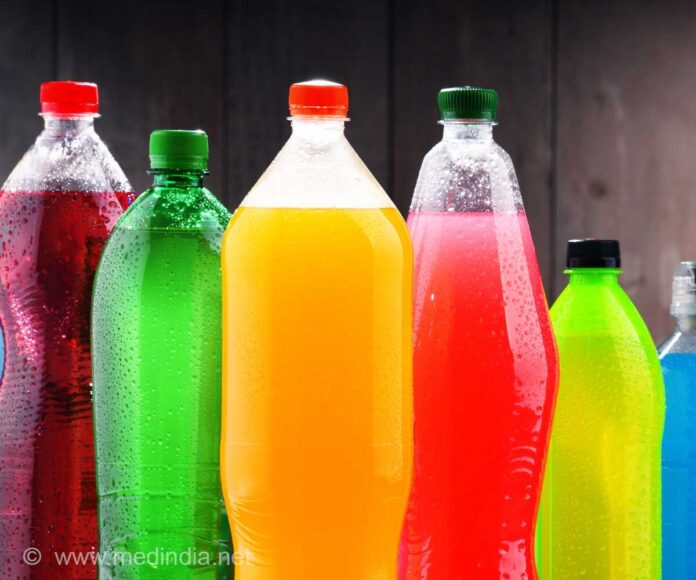
Consuming even one can per day of sugar-sweetened or artificially sweetened beverages increases the risk of developing metabolic dysfunction-associated steatotic liver disease.
- Sugary and artificially sweetened drinks raise the risk of metabolic liver disease
- Artificially sweetened drinks are also linked to increased liver-related mortality
- Replacing these beverages with water cuts liver disease risk significantly
A daily intake of sugary and artificially sweetened beverages significantly raises the chances of developing metabolic dysfunction-associated steatotic liver disease (1✔ ✔Trusted Source
UEG Week
Go to source
).
A comprehensive analysis presented at UEG Week 2025 tracked 123,788 UK Biobank participants who had no liver disease at the beginning of the study. Beverage consumption data was collected through multiple 24-hour dietary recalls.
The team assessed the relationship between intake of sugar-sweetened and low- or non-sugar-sweetened drinks and the risk of developing metabolic dysfunction-associated steatotic liver disease, liver fat buildup, and liver-related deaths.
Participants who consumed more than 250 grams per day of these beverages faced markedly higher risks, 60% higher for artificially sweetened drinks and 50% higher for sugary drinks. Over a median follow-up of 10.3 years, 1,178 participants developed metabolic liver disease, and 108 succumbed to liver-related causes. While sugar-sweetened drinks did not show a direct correlation with liver mortality, consumption of artificially sweetened beverages was associated with an increased risk. Both types of drinks were also tied to elevated liver fat accumulation.
Global Impact of Metabolic Dysfunction-Associated Steatotic Liver Disease
Previously recognized as non-alcoholic fatty liver disease, metabolic dysfunction-associated steatotic liver disease is characterized by the build-up of fat in the liver. This accumulation can eventually cause liver inflammation, known as hepatitis, and symptoms such as fatigue, pain, and appetite loss. The condition has emerged as the most prevalent form of chronic liver disease globally, now affecting over 30 percent of the world’s population and rapidly becoming a leading cause of liver-related deaths.
Lead author Lihe Liu pointed out that while sugar-sweetened drinks have long been criticized, their “diet” counterparts are often misperceived as healthier. However, both types are widely consumed, and their impact on liver health has remained unclear until now.
Artificial Sweeteners Not as Safe as Believed
The findings revealed that artificially sweetened drinks were associated with a higher risk of liver disease even at modest levels, such as just one can per day. These results challenge the perception that such beverages are harmless and call for a reevaluation of their role in nutrition and liver wellness, particularly as liver-related illnesses continue to rise globally.
Liu highlighted several biological mechanisms that may explain the results. Sugary drinks can cause sudden increases in blood sugar and insulin, promote weight gain, and elevate uric acid., all of which may contribute to liver fat buildup. Meanwhile, artificially sweetened drinks might negatively affect the gut microbiome, interfere with appetite regulation, enhance sweet cravings, and potentially stimulate insulin production.
Switching to Water Can Lower Risk Significantly
According to the authors, limiting both sugary and artificially sweetened beverages should be a key component of preventive health strategies, not only for liver disease but also for broader cardio-renal-metabolic health. The study found that replacing these drinks with water significantly lowered the risk of metabolic liver disease: by 12.8 percent for sugar-sweetened beverages and 15.2 percent for artificially sweetened ones. Notably, swapping one beverage type for the other did not reduce risk.
Liu emphasized that reducing or eliminating both types of beverages is the safest approach. Drinking water offers hydration while eliminating the metabolic stress and fat accumulation associated with sweetened beverages.
Next Steps to Understand the Underlying Mechanisms
Researchers now plan to investigate these associations more deeply through long-term randomized and genetic trials. Their goal is to understand how both sugar and its substitutes interact with the gut microbiome and contribute to the development of liver disease.
To sum up, both sugar-sweetened and artificially sweetened beverages are strongly linked to an increased risk of developing metabolic dysfunction-associated steatotic liver disease. Even moderate intake levels appear to pose significant health risks, especially for liver fat accumulation and liver-related mortality. Substituting these drinks with water is a practical and effective step toward better liver health.
Reference:
- UEG Week – (https://ueg.eu/week)
Source-Medindia