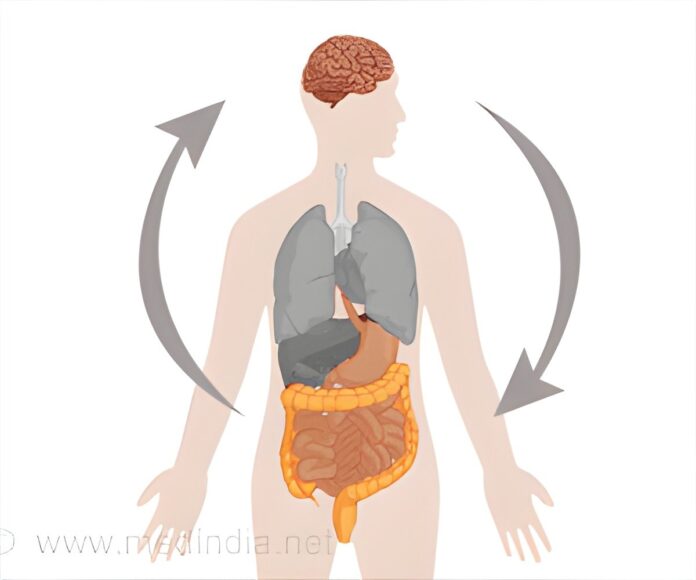
Chronic stress can disrupt gut balance and trigger both inflammation and depression-like symptoms through a key protein called Reelin.
It is common knowledge that stress can cause stomach problems, but science is revealing the extent of this relationship. A protein known as Reelin, which is vital to the functioning of the brain, has been found to play a remarkable role in maintaining the gut. When the stress affects this balance, it could trigger both gut inflammation and depression-like symptoms ().
The Gut-Brain Connection Gets Stronger
Our gut and brain constantly communicate through the gut-brain axis, a complex two-way network. During a chronic stressful situation, this relationship becomes weaker, and intestinal barrier functions change, commonly referred to as a leaky gut. This enables the passage of the harmful molecules, triggering inflammation that may spread to the brain and affect mood.
Reelin: The Unsung Guardian of Gut Health
Reelin is known for guiding cellular organisation and communication of the brain. But new research shows it’s also found in the gut’s lining. Mice exposed to chronic stress in experiments showed decreased reelin levels in their brains and guts, along with inflammation and damaged gut barriers. This may indicate that reelin may play a crucial role as a stressor of intestinal and emotional disturbances.
When the Gut Feels It, the Brain Suffers Too
As reelin levels dropped, mice showed depression-like behaviours, such as reduced motivation and withdrawal. These results reinforce the concept that gut dysfunction can influence mental health and the other way around. Having a healthy gut may thus be of great importance not only to digestion but also to emotional well-being.
Healing the Mind Through the Gut
This research sheds light on why treating mental health conditions may need more than just brain-targeted therapies. Supporting gut integrity—through diet, probiotics, stress reduction, and possibly future reelin-based treatments—could offer a holistic path to better mental wellbeing.
References:
- An Intravenous Injection of Reelin Rescues Endogenous Reelin Expression and Epithelial Cell Apoptosis in the Small Intestine Following Chronic Stress – (https://pmc.ncbi.nlm.nih.gov/articles/PMC12480799/)
Source-University of Victoria