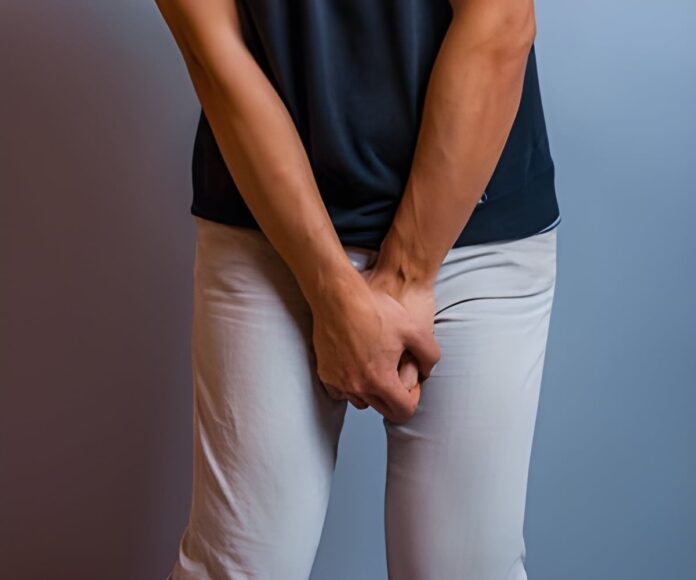
Bladder leaks are common but treatable. Discover simple habits and exercises that can restore confidence.
- Bladder leaks are common and treatable with early intervention and proper diagnosis
- Pelvic floor exercises remain one of the most effective first-line treatments
- Lifestyle adjustments combined with medical support improve long-term bladder control
Bladder leaks can feel embarrassing, but they are far more common than many realise. Millions of adults experience some form of urinary incontinence during their lifetime. It often becomes more noticeable after childbirth, menopause, or with ageing (1✔ ✔Trusted Source
Urinary Incontinence
Go to source
). Although many people stay silent, effective treatments and lifestyle changes are available. Understanding the causes is the first step toward regaining comfort and confidence.
Research published in The Lancet highlights that urinary incontinence affects women more frequently than men (2✔ ✔Trusted Source
Assessment and treatment of urinary incontinence
Go to source
). However, men may also develop symptoms following prostate surgery or age-related changes. Bladder leaks are not an inevitable part of growing older. Identifying the type of bladder control problem helps determine the right management strategy. Early intervention often leads to better long-term results.
Types Of Bladder Leaks And Their Causes
Stress incontinence occurs when urine leaks during coughing, sneezing, or physical exertion. This type usually results from weakened pelvic floor muscles supporting the bladder. Pregnancy, childbirth, and hormonal shifts may contribute significantly (3✔ ✔Trusted Source
Stress Urinary Incontinence
Go to source
).
Urge incontinence involves a sudden, intense need to urinate followed by leakage. This form is commonly linked to overactive bladder symptoms (4✔ ✔Trusted Source
Urge Incontinence
Go to source).
Mixed incontinence combines features of both stress and urge types. Some individuals also experience overflow incontinence when the bladder does not empty completely. Certain medications, urinary infections, or neurological conditions can worsen symptoms. Keeping a bladder diary may help identify patterns and triggers (5✔ ✔Trusted Source
Mixed Urinary Incontinence
Go to source). Accurate diagnosis ensures more targeted and effective treatment plans.
Pelvic Floor Exercises For Bladder Control
Pelvic floor muscles support the bladder, uterus, and bowel. When these muscles weaken, bladder leaks become more likely. Regular pelvic floor exercises, often called Kegels, strengthen this supportive network (6✔ ✔Trusted Source
Pelvic floor muscle exercise and training for coping with urinary incontinence
Go to source
). Studies in the Cochrane Database show that consistent training improves symptoms significantly (7✔ ✔Trusted Source
Pelvic floor muscle training versus no treatment, or inactive control treatments, for urinary incontinence in women
Go to source
). Many healthcare professionals recommend daily exercise for several months.
Correct technique matters when performing pelvic floor exercises. Contract the muscles used to stop urine flow, then relax slowly. Holding contractions for several seconds improves muscle endurance. Repeating this routine multiple times daily enhances strength gradually. Supervised physiotherapy can provide additional guidance and feedback.
Lifestyle Changes That Reduce Bladder Leaks
Certain daily habits may aggravate bladder symptoms without people realising it. Reducing caffeine intake can decrease bladder irritation. Maintaining a healthy body weight lowers pressure on pelvic tissues. Smoking cessation also helps since chronic coughing strains the pelvic floor (8✔ ✔Trusted Source
Total fluid intake, caffeine, and other bladder irritant avoidance among adults having urinary urgency with and without urgency incontinence: The Symptoms of Lower Urinary Tract Dysfunction Research Network (LURN)
Go to source
). These small changes collectively support better bladder health.
Fluid management plays an important role in symptom control. Drinking too little can concentrate urine and irritate the bladder lining. Excessive fluid intake may increase urgency and frequency. Balanced hydration throughout the day supports normal bladder function. Avoiding late evening fluids may reduce nighttime leakage episodes.
Medical Treatments for Urinary Incontinence
When lifestyle adjustments are insufficient, medical treatments may offer relief. Doctors may prescribe medications that calm bladder muscle overactivity. Vaginal estrogen therapy may help postmenopausal women with tissue thinning (9✔ ✔Trusted Source
Local Effects of Vaginally Administered Estrogen Therapy: A Review
Go to source
). In more persistent cases, procedures such as sling surgery provide structural support. These interventions aim to restore bladder control effectively (10✔ ✔Trusted SourceTraditional suburethral sling operations for urinary incontinence in women
Go to source
).
Seeking professional help reduces the emotional burden associated with leaks. Many people delay consultations due to embarrassment or stigma. Healthcare providers approach this issue routinely and without judgment. Early assessment prevents complications such as skin irritation or infections. Confidence often improves significantly once appropriate treatment begins.
Emotional Wellbeing And Regaining Confidence
Bladder leaks can impact social activities and personal relationships. Fear of accidents may cause individuals to avoid travel or exercise. Addressing symptoms proactively restores independence and peace of mind. Support groups and counselling may help manage emotional distress. Taking control of quality of life remains just as important as symptom management.
Open conversations with partners and family reduce feelings of isolation. Many people discover they are not alone once discussions begin. Practical products such as absorbent pads provide temporary reassurance. However, they should complement treatment rather than replace it. With proper care, most individuals can achieve meaningful improvement.
Frequently Asked Questions
Q: Are bladder leaks a normal part of ageing?
A: Bladder leaks are common with aging, but are not an unavoidable part of growing older.
Q: How long do pelvic floor exercises take to work?
A: Most people notice improvement after consistent practice for several weeks to months.
Q: Does caffeine worsen bladder symptoms?
A: Caffeine can irritate the bladder and increase urgency in some individuals.
Q: When should I see a doctor for bladder leaks?
A: You should consult a doctor if leaks are frequent, worsening, or affecting daily life.
Q: Can men experience urinary incontinence?
A: Yes, men can develop bladder leaks, especially after prostate surgery or with ageing.
References:
- Urinary Incontinence
(https://www.ncbi.nlm.nih.gov/books/NBK559095/) - Assessment and treatment of urinary incontinence
(https://www.thelancet.com/journals/lancet/article/PIIS0140-6736(00)02389-8/abstract) - Stress Urinary Incontinence
(https://www.ncbi.nlm.nih.gov/books/NBK539769/) - Urge Incontinence
(https://www.ncbi.nlm.nih.gov/books/NBK563172/) - Mixed Urinary Incontinence
(https://www.ncbi.nlm.nih.gov/books/NBK534234/) - Pelvic floor muscle exercise and training for coping with urinary incontinence
(https://pubmed.ncbi.nlm.nih.gov/35036386/) - Pelvic floor muscle training versus no treatment, or inactive control treatments, for urinary incontinence in women
(https://www.cochranelibrary.com/cdsr/doi/10.1002/14651858.CD005654.pub4/full) - Total fluid intake, caffeine, and other bladder irritant avoidance among adults having urinary urgency with and without urgency incontinence: The Symptoms of Lower Urinary Tract Dysfunction Research Network (LURN)
(https://pmc.ncbi.nlm.nih.gov/articles/PMC9811496/.) - Local Effects of Vaginally Administered Estrogen Therapy: A Review
(https://pmc.ncbi.nlm.nih.gov/articles/PMC3252029/) - Traditional suburethral sling operations for urinary incontinence in women
(https://pubmed.ncbi.nlm.nih.gov/31990055/)
Source-Medindia