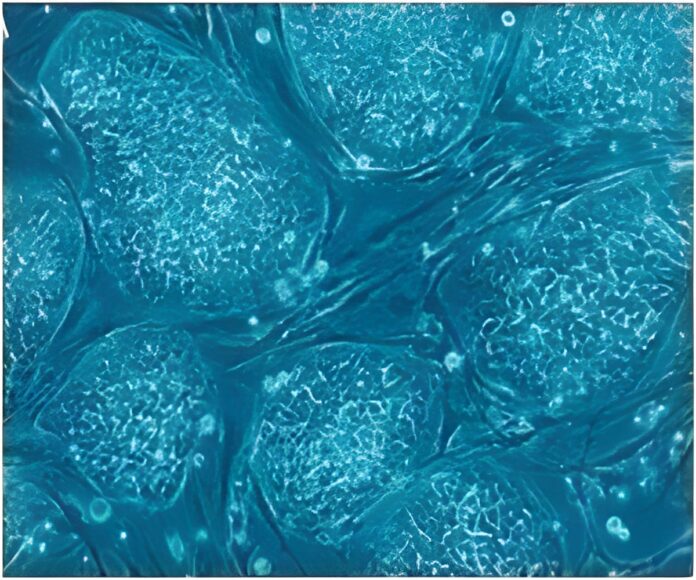
A first-of-its-kind stem-cell treatment has allowed a woman with type 1 diabetes to stop insulin injections entirely. Researchers say this milestone could rewrite the future of diabetes care.
- A woman with type 1 diabetes stopped insulin after receiving stem-cell–derived islets
- Her new cells produced real insulin, controlling blood sugar naturally
- The therapy may one day offer a cure-like option for millions with T1D
For the first time in medical history, a woman with long-standing type 1 diabetes has completely stopped insulin injections after receiving stem-cell–derived islets. Her body is now producing its own insulin, something doctors once believed was impossible for someone with advanced T1D (1✔ ✔Trusted Source
First-ever stem cell therapy restores insulin independence in type 1 diabetes: A medical milestone
Go to source
).
Published in the World Journal of Stem Cells, this breakthrough isn’t just another research milestone. It may be the moment the “future of diabetes treatment” truly changed.
TOP INSIGHT

Did You Know?
A patient said goodbye to insulin – thanks to lab-grown cells that act like a new pancreas.
#type1diabetes #stemcelltherapy #insulinfree #medindia
A Treatment Once Considered Impossible
Type 1 diabetes destroys the body’s insulin-producing beta cells, forcing patients to rely on lifelong insulin therapy. For decades, the dream of “replacing” these lost cells seemed out of reach.
Researchers have tried pancreas transplants, islet transplants from deceased donors, and immunotherapies, all with limited success or major risks.
However, scientists behind this new approach to the problem tackled it differently: they grew fresh insulin-producing cells from stem cells and transplanted them as a living replacement for the pancreas.
What Exactly Happened in This Breakthrough?
The patient received specially engineered stem-cell–derived islets designed to function like natural pancreatic tissue.
After the procedure:
- Her blood sugar stabilized
- Her body produced detectable insulin
- She gradually stopped insulin injections
- She remained insulin-independent for months
Lab tests confirmed the transplanted cells were working exactly like real beta cells, responding to meals and glucose changes. This is the first documented case of long-term insulin independence using this method.
Why This Matters
Every year, millions of people with type 1 diabetes inject insulin 3–10 times a day, track glucose constantly, and live with the risk of severe highs and lows.
A therapy that replaces lost beta cells could:
- Restore natural insulin production
- Eliminate constant injections
- Prevent long-term complications
- Change the course of the disease
Researchers describe this milestone as a significant step toward a functional cure, rather than merely managing the disease.
The Science Behind the Success
These stem cell–derived islets were created using:
- Pluripotent stem cells
- A stepwise differentiation process mimicking fetal pancreas development
- Specialized encapsulation technology
- A targeted transplantation method
The result? Cells that can sense glucose and release insulin, just like a healthy pancreas.
Is This the Cure for Type 1 Diabetes? Not Yet, But Close
Researchers emphasize that this is a single case, and larger clinical trials are crucial.
What’s still needed?
- Long-term safety data
- Scalable production of stem-cell islets
- Solutions to avoid lifelong immunosuppressants
- More patients achieving insulin independence
But this case proves something groundbreaking: The biology works. The cells function. And a patient with type 1 diabetes can truly live without injected insulin.
That alone is a revolution.
Final Takeaway
For the first time, a lab-grown cluster of cells gave a woman something priceless: a life without insulin injections. If future trials replicate this success, stem-cell therapy may become one of the most transformative breakthroughs in the history of diabetes treatment.
Reference:
- First-ever stem cell therapy restores insulin independence in type 1 diabetes: A medical milestone – (https://pmc.ncbi.nlm.nih.gov/articles/PMC12305139/)
Source-Medindia