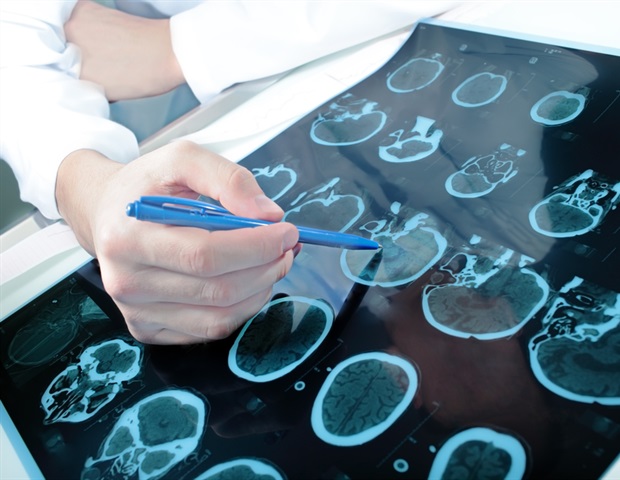
Researchers at the VIB-UAntwerp Center for Molecular Neurology have visualized how brain network development is altered in a model of KCNQ2-related developmental and epileptic encephalopathy, a rare childhood brain disorder. Using longitudinal imaging techniques, the team observed differences in how brain regions communicate and connect, long before behavioral symptoms appear.
KCNQ2-related developmental and epileptic encephalopathy (KCNQ2-DEE) is a rare but severe neurological disorder that affects newborns. Children with this condition typically develop seizures within days after birth and continue to face learning and movement difficulties. The disorder is caused by mutations in a potassium-channel gene that disrupts normal brain activity.
To investigate how this disorder affects brain development, the team of Professor Sarah Weckhuysen visualized brain function and structure throughout early growth in mice carrying the same genetic defect.
Functional, not structural
Using MRI and PET imaging, the researchers found that the changes were not structural, but functional, affecting how brain regions interact rather than how the brain is physically built.
This developmental pattern mirrors what researchers observe in other neurodevelopmental disorders such as autism and schizophrenia, suggesting that disturbances in ion-channel function, as seen in KCNQ2, may have broader effects on how brain circuits mature.
Importantly, these network disruptions appeared well before any behavioral symptoms appear. This indicates that mutations in KCNQ2 not only trigger seizures, but also interfere with how the brain’s wiring develops.
Early intervention
“By visualizing how the brain develops, we now have a clearer view on how this disease unfolds,” says prof. Sarah Weckhuysen, neurologist and principal investigator at VIB and the University of Antwerp. “This could help us determine when and where early treatments might be most effective.”
Weckhuysen and her team have been investigating the biological mechanisms of KCNQ2-related encephalopathies for several years. In earlier work, the Weckhuysen lab identified a known antipsychotic compound as a potential modulator of the same potassium channels involved in this disorder.
Wekchhuysen: “Understanding when and how these disruptions begin is crucial for developing early interventions that go beyond seizure control.”
Funding
This work was supported by the University of Antwerp, FWO, the Queen Elisabeth Medical Foundation, the European Joint Programme on Rare Disease, and Fondation Lejeune.