Women with continuous community midwife care show reduced preterm births, with strongest benefit in high-risk groups.
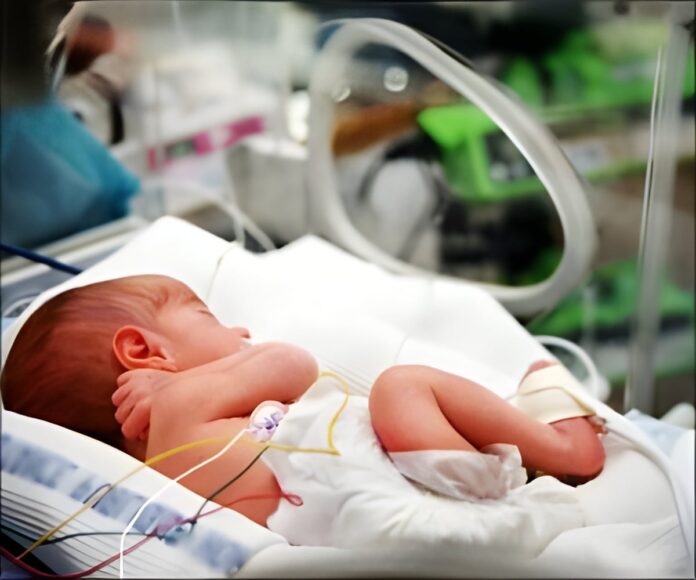
Women receiving continuous care from community-based midwives experience a substantially lower risk of preterm birth compared to those receiving standard maternity care. This approach also leads to a significant reduction in preterm births among women facing the greatest social vulnerability and risk of adverse outcomes.(1✔ ✔Trusted Source
Continuous care from community-based midwives reduces risk of preterm birth by 45%
Go to source
)
TOP INSIGHT

Did You Know?
Expanding midwife-delivered care globally could avert maternal, newborn deaths, and stillbirths by 2035, showing #midwives’ vast lifesaving potential.
#midwifeimpact #maternalhealth #globalhealth #birthsupport #medindia
Comparing Care Models Between 2018 and 2020
Researchers from King’s College London funded by the NIHR, published today in BJOG: An International Journal of Obstetrics & Gynaecology, looked at data from 6,600 pregnancies in South London. This is an area with high ethnic diversity and social disadvantage.
The researchers analysed data from 2018-2020, where a quarter of the women received community-based care from midwives and the others received standard care.
Defining Community-Based Midwife Continuity of Care
In Community-Based Midwife Continuity of Care (CMBCOC), the same team of midwives provides care to a woman throughout her pregnancy, birth, and the postnatal care. These midwives provided midwifery care across community and hospital settings, working in partnership with women and multidisciplinary teams. When complications arose, women were referred for obstetric care under standard guidelines while continuing to receive midwifery care from the team.
In standard care models, midwives, GPs, and obstetricians share the responsibility for the organisation and delivery of care throughout the initial booking to the postnatal period provided in both hospital and/or community settings.
Key Outcomes for Preterm Birth and Social Risk Groups
The risk of preterm birth among women from Black, Asian, and other ethnic minority backgrounds was significantly reduced from 9.5% to 6.4%. Similarly, the risk is reduced for women in the most socially deprived areas (8.2% to 5.1%).
Researchers also found that in the CBMCOC group, women had an increased rate of spontaneous vaginal delivery, were less likely to miss their antenatal appointments and more likely to receive necessary referrals to mental health support.
Dr Cristina Fernandez Turienzo, lead author from King’s College London, said, “Our study demonstrates the potential of locality-based interventions integrating community-based care and midwife continuity. This approach significantly reduces risk of preterm birth compared to standard care and may help reduce health inequities for high social risk groups.”
Policy and Implementation Challenges
In September 2022, NHS England announced that their plan to deliver Midwife Continuity of Carer nationally was on hold due to insufficient staffing levels. Women are currently not able to choose which care pathways they are placed in, and CMBCOC model is currently only available in some NHS Trusts.
Senior author Professor Jane Sandall, Professor of Social Science and Women’s Health at King’s College London and NIHR ARC South London Maternity and Perinatal Mental Health theme lead, said, “Our findings provide a potential solution to mitigating inequities in maternity care. Women get to know the small team of midwives, receive care close to home, and know that their midwives will coordinate with the wider health team when needed. One of the priorities in the NHS 10 Year Health Plan for England is shifting care from hospital to community, and our findings are supportive of this plan.”
Directions Towards Greater Social Risk Women
This study utilised the eLIXIR Partnership, linking healthcare from various providers in South London, where CBMCOC is offered. The strength of this study is the availability of robust and continuous maternity, neonatal, and mental health data and the diversity of the South London population, representing worldwide demographics.
Dr Fernandez Turienzo added, “Future trials will be crucial, but need to be done carefully to include the women who are at a greater social risk, who have also been historically underrepresented, in such trials.”
Reference:
- Continuous care from community-based midwives reduces risk of preterm birth by 45% – (https://www.kcl.ac.uk/news/continuous-care-from-community-based-midwives-reduces-risk-of-preterm-birth-by-45)
Source-King’s College London