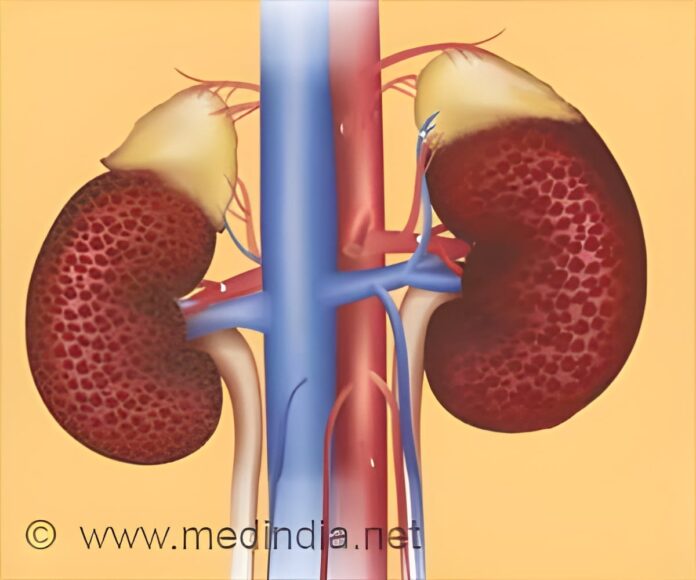
Eating less than 1 g/kg/day of protein may reduce kidney failure progression and dialysis need in chronic kidney disease patients.
- Low protein intake linked to lower risk of kidney disease progression over 15 years
- Dialysis initiation risk dropped by 35% with moderate protein restriction
- Even modest protein reduction below 1.0 g/kg/day provides meaningful kidney protection
Moderately restricting protein intake was associated with better kidney outcomes in patients with stage 3 and 4 chronic kidney disease, according to a retrospective Israeli analysis (1✔ ✔Trusted Source
Protein Intake and Kidney Outcomes in Nondialysis Chronic Kidney Disease Over 15 Years
Go to source
).
Among 530 propensity score-matched adult patients, individuals with lower normalized dietary protein intake compared with higher intake showed a 23% lower risk of progressing to a composite outcome that included a 50% or greater decline in estimated glomerular filtration rate, long-term dialysis initiation, or death from any cause during a 15-year follow-up.
The benefit was mainly linked to a 35% lower risk of starting dialysis, as reported by Dr. Ilia Beberashvili of Yitzhak Shamir Medical Center in Zerifin, Israel, and colleagues in JAMA Network Open.
Chronic Kidney Disease Progression Indicators
The analysis also showed trends toward lower risks of estimated glomerular filtration rate decline and death from all causes, although these associations did not achieve statistical significance.
The authors noted that while the observed risk reduction was smaller compared with the effects seen with newer drug therapies, it remained clinically important and highlighted the possible value of dietary measures in reducing remaining kidney-related risk.
Management of chronic kidney disease has improved significantly with therapies such as sodium-glucose cotransporter-2 inhibitors and glucagon-like peptide-1 receptor agonists.
However, despite these pharmacological developments, patients continue to experience declining kidney function, proteinuria, and elevated cardiovascular risk.
The team emphasized that nutritional measures, especially regulating dietary protein intake, remain underused in managing this ongoing kidney risk.
Protein Intake Targets in Chronic Kidney Disease
The findings support current recommendations advising patients with chronic kidney disease to limit protein intake to around 0.6 to 0.8 g/kg/day to reduce the burden on the kidneys in clearing excess waste products.
Earlier evidence on protein restriction and kidney outcomes has produced inconsistent findings, with some reports supporting benefits while others found no clear advantage.
The authors also pointed out that lowering protein consumption may be difficult in populations with traditionally high protein intake. Dr. Beberashvili stated that the findings indicate even moderate protein restriction, rather than strict dietary limitations, may still provide meaningful kidney-protective effects.
Moderate Protein Restriction in Real-World Settings
Participants were divided into two groups based on normalized dietary protein intake. One group had lower intake below 1.0 g/kg/day, while the other had intake levels of 1.0 g/kg/day or higher.
The researchers explained that this lower threshold represented moderate protein restriction instead of the traditional low-protein diet range of 0.6 to 0.8 g/kg/day.
Dr. Beberashvili added that the findings reinforce guideline-based care while also highlighting practical implementation. He noted that moderate and achievable dietary modifications combined with objective monitoring may be easier to maintain in real-world clinical settings than strict dietary targets.
He also emphasized the need for future prospective and interventional investigations to determine optimal protein intake across different chronic kidney disease populations.
Kidney Function Measurement and Patient Inclusion
- The retrospective cohort analysis included adultswith stage 3 or 4 chronic kidney disease who were not receiving dialysis.
- Patients were identified based on two estimated glomerular filtration rate measurements ranging from 15 to 60 mL/min/1.73 m2 and received treatment at a single Israeli center between January 2007 and December 2022.
- The average participant age was 67 years, and women accounted for 37% of the cohort.
- Around 40% of patients had diabetes, while the median Charlson Comorbidity Index score was 5. The Charlson Comorbidity Index (CCI) is a medical scoring system used to predict a patient’s risk of death or poor health outcomes based on the presence of multiple chronic diseases, known as comorbidities.
- Approximately 10% of participants were using sodium-glucose cotransporter-2 inhibitors at baseline, and fewer than 2% were receiving glucagon-like peptide-1 agents.
Dietary protein intake was measured using 24-hour urinary nitrogen excretion and adjusted according to body weight. The median normalized dietary protein intake at baseline was 1.18 g/kg/day.
Lower normalized dietary protein intake remained significantly linked to a reduced risk of the composite outcome after adjusting for factors including age, sex, diabetes, body mass index, estimated glomerular filtration rate, serum albumin levels, and urine albumin-to-creatinine ratio or 24-hour proteinuria.
Subgroup analyses demonstrated consistent associations across factors such as age, sex, ethnic background, geographic region, diabetes status, chronic kidney disease stage, albuminuria, proteinuria, systolic blood pressure, body mass index, and medication use.
Dietary Protein Intake and Kidney Function Decline
Although differences between the groups did not reach statistical significance, patients with lower normalized dietary protein intake experienced a slower decline in estimated glomerular filtration rate during follow-up. Both groups showed similar increases in albuminuria over time, and no differences were observed in nutritional markers.
The authors acknowledged that because the analysis ended in 2022, the limited use of sodium-glucose cotransporter-2 inhibitors and glucagon-like peptide-1 receptor agonists could reduce how broadly these findings apply to present-day clinical practice.
In conclusion, moderate protein restriction was linked to more favorable kidney outcomes and a lower risk of dialysis initiation in patients with stage 3 and 4 chronic kidney disease. The findings suggest that practical and achievable dietary adjustments may offer meaningful kidney protection alongside existing medical therapies.
Frequently Asked Questions
Q: What happens when kidney patients eat less protein?
A: Moderate protein restriction is linked to better kidney outcomes and a lower chance of needing dialysis.
Q: How much does dialysis risk drop with lower protein intake?
A: Patients who ate less protein had a 35% lower risk of having to start long-term dialysis.
Q: Which kidney patients benefit from protein restriction?
A: Adults with stage 3 and stage 4 chronic kidney disease who are not yet on dialysis.
Q: How can doctors tell how much protein a patient eats?
A: Protein intake is measured using a 24-hour urine test that checks for nitrogen excretion, then adjusted for body weight.
Q: Does eating less protein harm nutrition?
A: No major differences in nutritional health markers were seen between those who ate less protein and those who ate more.
Reference:
- Protein Intake and Kidney Outcomes in Nondialysis Chronic Kidney Disease Over 15 Years – (https://jamanetwork.com/journals/jamanetworkopen/fullarticle/2848230)
Source-Medindia