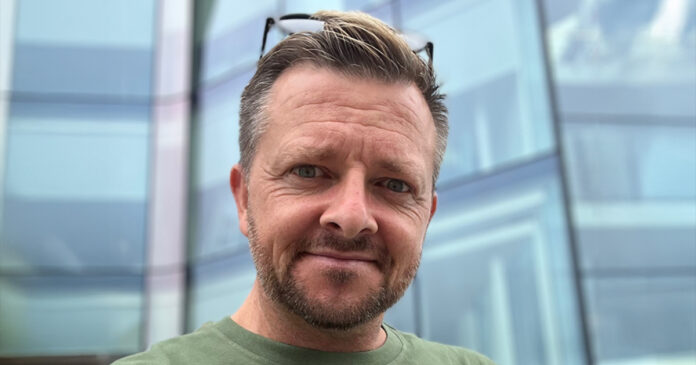
About Richard:
I am a coach, mentor, author, and founder of Really Healed, working with men who feel stuck, overwhelmed, or disconnected from themselves.
My approach is trauma-informed, practical, and shaped by lived experience, as well as years in frontline and leadership roles. I help men develop clarity, resilience, and the confidence to take the next right step in their lives.
What was the major turning point in your recovery from addiction and life-long controlling issues?
The major turning point came when I finally accepted that I couldn’t do it on my own anymore.
There was a point when I genuinely wanted my life to end. I had been abused as a child, found my father after he died by suicide, and spent years caught in addiction and survival mode. By that stage, I wasn’t living, I was barely existing. I was exhausted in ways sleep doesn’t fix: mentally, emotionally, and spiritually.
What changed everything wasn’t a dramatic intervention or a sudden moment of clarity. It was opening my mouth and telling a friend that I was struggling. Saying out loud that I didn’t know what to do. Admitting that I didn’t have the answers, and finally realising that I didn’t need to. That single act of honesty cracked the isolation that had kept me trapped for years.
Through that openness, I met others who had felt the same despair, the same burnout, the same sense of being stuck inside their own head with no off switch. That connection mattered. Pain shared doesn’t disappear, but it becomes lighter, more manageable, and less lonely. I learned that recovery doesn’t begin with strength, willpower, or motivation. It begins with honesty and human connection.
Talking didn’t fix everything overnight, and it didn’t magically make life easy. But it gave me something far more important: hope, perspective, and a reason to stay. Over time, I also began to understand that addiction wasn’t the real problem, it was a solution that had stopped working. The real work was deeper, older, and far more human than reaching for a substance or a bottle ever was.
What are some things that really helped?
Opening my mouth to another man and admitting I hadn’t a clue what I was doing.
- Most of what was battering me in my own head turned out to be old stories, fear, and assumptions shouting the loudest. I had spent years believing everything I thought. I don’t need to be my own executioner anymore. Life is hard enough without me finishing the job on myself.
Turning up when I really didn’t feel like it.
- I knew I’d feel better afterwards, even if I hated every minute beforehand. It was like going back to the gym after years away, stiff, sore, awkward, ego bruised. But if you keep showing up, the body remembers. Strength returns. The same thing happens with the head and the nervous system if you stay consistent.
Being open to suggestions instead of pretending I knew it all.
- Trying new things is uncomfortable. Letting go of old habits and old thinking is uncomfortable, too. But staying stuck comes at a much higher cost. Growth might challenge you, but at least it pays you back. Humility, it turns out, is far cheaper than arrogance in the long run.
Learning to listen with people, not just to them.
- I was listening in order to reply, to fix, or to sound clever. Once listening with someone was explained to me, something clicked. It’s a style of listening that allows words to land and settle. I don’t need every answer straight away. Some things take time to arrive, especially when you stop grabbing at them.
What advice would you give to other guys fighting life on life’s terms?
First things first, open your mouth and talk. Even if the words come out messy, awkward, or unfinished. Silence has a way of making pain louder, heavier, and far more convincing than it really is.
What you’re feeling right now may feel permanent, overwhelming, or impossible to escape, but it isn’t. Feelings rise, peak, and fall, even the darkest ones. With time, support, and the courage to let someone else in, life becomes more manageable, more grounded, and more human.
You don’t need to fix everything today. You don’t need to have it all figured out. You just need to stay, keep talking, and take the next small step forward.
Never give up.
– Richard Williams, Trim, Co Meath, Ireland
www.reallyhealed.com