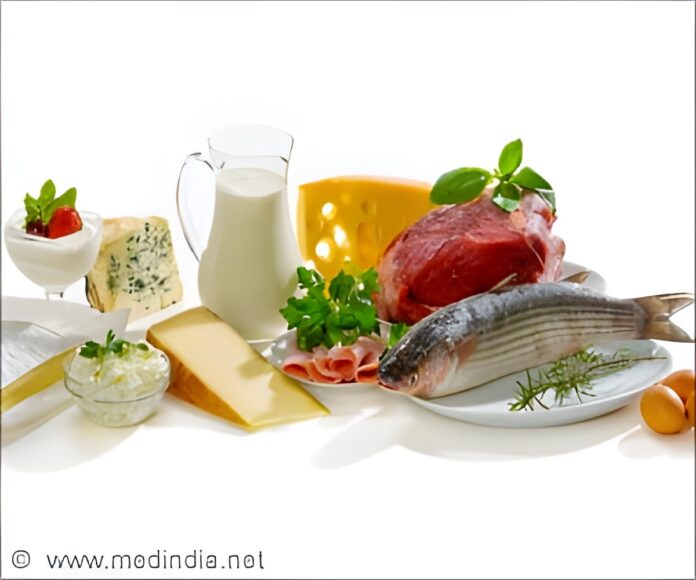
A high-protein diet containing casein and wheat gluten significantly reduces intestinal colonization of cholera bacteria by disrupting microbial competition and virulence mechanisms.
- High-protein diets reduced cholera gut colonization by up to 100-fold
- Casein and wheat gluten suppressed key bacterial virulence mechanisms
- Dietary strategies may support low-cost cholera prevention
Cholera remains a major cause of severe diarrheal illness and death in many low- and middle-income regions, particularly where clean water and sanitation are limited (1✔ ✔Trusted Source
Diet modulates Vibrio cholerae colonization and competitive outcomes with the gut microbiota
Go to source
).
Caused by the bacterium Vibrio cholerae, the infection leads to rapid fluid loss, dehydration, and shock if untreated. While oral rehydration therapy and antibiotics save lives, rising antibiotic resistance has intensified interest in non-drug strategies that reduce infection severity and spread.
A new experimental study published in Cell Host & Microbe provides compelling evidence that diet composition plays a critical role in determining how effectively cholera bacteria can colonize the gut.
TOP INSIGHT

Did You Know?
#Cholera bacteria struggle to survive in the gut when diets are rich in #protein because certain proteins weaken bacterial attack systems and reduce infection severity. #proteinrichdiets #foodasmedicine #guthealth #infectiousdiseases #nutritionscience #medindia
High Protein Diet Reduces Cholera Colonization
Researchers investigated how different macronutrient-focused diets influence cholera infection using controlled animal models. Diets were categorized as high-protein, high-fat, or high-carbohydrate while maintaining equivalent calorie intake.
The results were striking. Animals fed a high-protein diet showed up to a 100-fold reduction in intestinal colonization by Vibrio cholerae compared with those fed balanced or carbohydrate-rich diets. In contrast, high-fat diets showed minimal protective effect.
Among protein sources tested, casein, the primary protein in dairy, and wheat gluten demonstrated the strongest suppression of bacterial growth.
How Protein Disrupts Cholera Virulence
Further analysis revealed that protein-rich diets interfere with the bacterium’s Type VI Secretion System (T6SS) , a molecular weapon used by Vibrio cholerae to kill competing gut microbes and establish dominance in the intestine.
When the T6SS is weakened, cholera bacteria lose their competitive advantage, allowing beneficial gut microbes to survive and limit pathogen expansion. This diet-driven shift in microbial competition significantly reduced infection severity without directly killing the bacteria.
Diet, Gut Microbiome, and Infection Risk
The study highlights how diet shapes the gut microbiome, influencing whether harmful pathogens thrive or fail. Protein-rich diets altered microbial interactions in ways that favored resistance to infection rather than bacterial overgrowth.
Unlike antibiotics, dietary interventions do not promote drug resistance and can be implemented safely at a population level. This makes nutrition-based strategies especially valuable in cholera-prone regions where access to medications may be limited.
Public Health Implications of Food Based Prevention
While dietary changes cannot replace clean water, sanitation, or medical treatment, they may serve as a powerful complementary tool. Increasing access to affordable protein sources could help reduce cholera burden, especially during outbreaks.
The researchers caution that human clinical studies are still needed. However, the biological mechanisms observed provide strong justification for future trials examining diet as a preventive strategy against enteric infections.
Final Takeaway
This study reinforces the concept that food can function as medicine.
High-protein diets rich in casein and wheat gluten significantly impair cholera bacteria’s ability to colonize the gut by disrupting microbial competition and virulence. Nutritional strategies may emerge as a practical, low-risk addition to global cholera prevention efforts.
Frequently Asked Questions
Q: Can diet really reduce the risk of cholera infection?
A: Yes. Experimental evidence shows high-protein diets significantly reduce cholera bacteria colonization in the gut.
Q: Which foods were most effective against cholera bacteria?
A: Proteins such as casein from dairy and wheat gluten showed the strongest protective effects.
Q: Does this mean protein can replace antibiotics for cholera?
A: No. Diet may support prevention but does not replace medical treatment or rehydration therapy.
Q: Why is the gut microbiome important in cholera infection?
A: Gut microbes compete with pathogens, and diet can strengthen this natural defense system.
Q: Is this dietary approach proven in humans yet?
A: Not yet. Human clinical studies are needed, but the biological mechanism is well established.
Reference:
- Diet modulates Vibrio cholerae colonization and competitive outcomes with the gut microbiota – (https://pubmed.ncbi.nlm.nih.gov/41330368/)
Source-Medindia