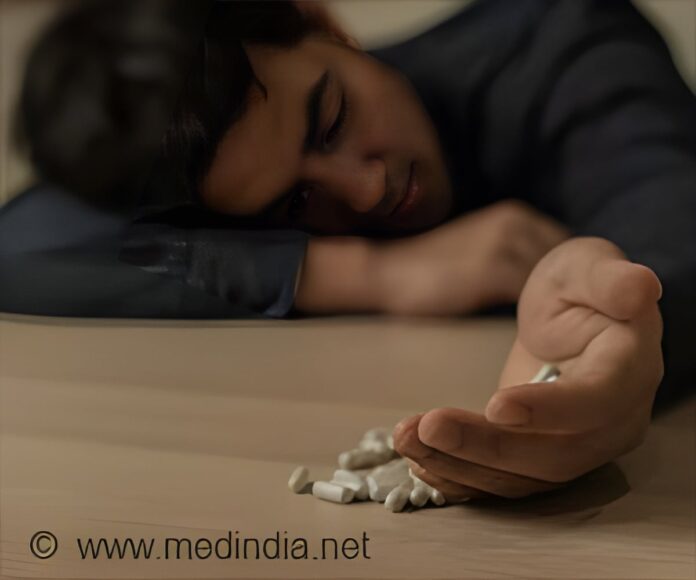
A rise in drug overdoses linked to heroin and pregabalin, has triggered a public warning in Plymouth urging people to take extra precautions.
A warning has been issued in Plymouth following a noticeable increase in drug overdoses associated with substances such as heroin or pregabalin. (1✔ ✔Trusted Source
Warning after increase in overdoses in Plymouth
Go to source
).
Naloxone Advocates Plymouth (NAP) alerted the public and urged individuals to exercise extra caution amid the growing number of incidents. NAP operates as a community interest company made up of volunteers who work to reduce drug-related deaths across Plymouth.
Plymouth Overdose Warning Linked to Breathing-Slowing Drugs
On March 2, NAP shared a message through a Facebook post. A spokesperson explained that a higher-than-usual number of overdoses had recently been observed in Plymouth. These cases were connected to substances that can slow breathing, including heroin and pregabalin. The message was intended to raise awareness so that people could take additional care.
According to the organization, recognizing the warning signs of an overdose is crucial. Indicators that someone may be overdosing include unconsciousness, slow breathing or lack of breathing, loud snoring, choking or gurgling sounds, and blue lips.
Recognizing Drug Overdose Symptoms Quickly
NAP advised that if someone becomes unwell, emergency services should be contacted immediately by calling 999. If the person is breathing, they should be placed in the recovery position while waiting for medical help to arrive.
The organization also emphasized the importance of remaining calm and responding quickly because early intervention can prevent a fatal outcome.
Immediate Response Steps During Suspected Overdose
The group also highlighted the use of an emergency antidote in overdose situations involving heroin or other opiates or opioids. Reports cited by the Plymouth Herald indicated that the antidote could be used even if the exact substance taken by the affected individual is unknown. The medication will not harm the person, and drugs may sometimes contain opioids even if they are not sold as such.
NAP explained that naloxone can be administered as the antidote in such situations. After giving naloxone, the responder should remain with the affected individual for about 20 minutes or until medical assistance arrives, as the person may return to an overdose state once the medication wears off.
Naloxone Role in Reversing Opioid Overdose Effects
If the person is not breathing, emergency services should be contacted immediately and cardiopulmonary resuscitation should be started.
According to the National Institute on Drug Abuse under the National Institutes of Health, naloxone is a medication that can rapidly reverse an opioid overdose. It works as an opioid antagonist, meaning it binds to opioid receptors and blocks or reverses the effects of other opioids.
Naloxone can quickly restore normal breathing when a person’s breathing slows down or stops because of an opioid overdose. However, the medication does not affect individuals who do not have opioids in their system, and it is not a treatment for opioid use disorder.
The antidote should be administered whenever signs of opioid overdose appear or when an overdose is suspected. It may be delivered as a nasal spray or through injections into the muscle, under the skin, or directly into the veins.
Monitoring and Safety After Naloxone Administration
The National Institute on Drug Abuse also states that family members or loved ones may carry naloxone if they know someone struggling with drug abuse. Pharmacists or healthcare providers can guide them on how to properly administer the medication.
However, naloxone remains active in the body for only 30 to 90 minutes, while certain opioids can remain in the body for longer periods. Because of this difference, calling for medical help is essential.
Individuals who receive naloxone should continue to be observed and monitored after the final dose to ensure their breathing does not slow down again.
Reference:
- Warning after increase in overdoses in Plymouth( https://www.plymouthherald.co.uk/news/plymouth-news/warning-after-increase-overdoses-plymouth-10845697)
Source-Medindia