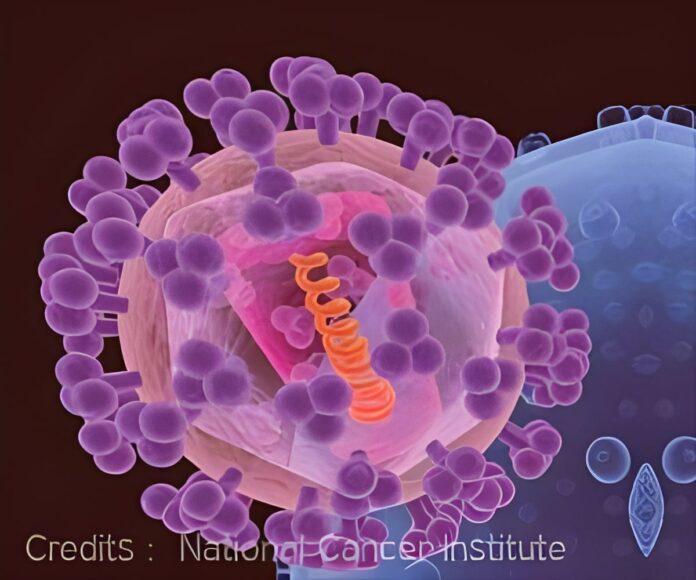
Viruses on plastic waste may quietly accelerate the global spread of antibiotic resistance.
Plastic waste poses risks beyond environmental damage. Evidence now suggests that viruses residing on plastic surfaces may contribute to the health crisis of antibiotic resistance by facilitating its spread.
This overlooked mechanism highlights a growing environmental and public health concern, as plastic-associated viruses could influence microbial ecosystems on a global scale.
The perspective was reported in Biocontaminant.(1✔ ✔Trusted Source
Researchers raise concerns over antibiotic resistance linked to viruses on plastics
Go to source).
TOP INSIGHT

Did You Know?
#Plasticwaste may be doing more than polluting oceans
New evidence suggests #viruses living on plastic can help spread #antibioticresistance by shuttling genes between microbes. Could plastic be quietly fueling a global health crisis?
#AMR #OneHealth #PlasticPollution #VirusResearch #microbiology #medindia
Plastics as Living Microbial Landscapes
When plastics enter natural environments, they quickly become coated with microbial biofilms known as the plastisphere.
These plastic associated communities are already known hotspots for antibiotic resistance genes. The new study highlights that viruses, the most abundant biological entities on Earth, could be key players in moving these resistance genes between microbes.
“Most research has focused on bacteria in the plastisphere, but viruses are everywhere in these communities and interact closely with their hosts,” said corresponding author Dong Zhu of the Chinese Academy of Sciences. “Our work suggests that plastisphere viruses may act as hidden drivers of antibiotic resistance dissemination.”
How Viruses Move Resistance Genes
Viruses can transfer genetic material between bacteria through a process called horizontal gene transfer. In plastisphere biofilms, where microbes are densely packed, viruses may more easily shuttle resistance genes across species, including to potential pathogens.
Some viruses also carry auxiliary metabolic genes that can boost bacterial survival under stressful conditions, such as exposure to antibiotics or pollutants, indirectly favoring resistant microbes.
The authors point out that viral behavior appears to differ between environments. In aquatic plastispheres, viruses are more likely to adopt life strategies that promote gene transfer, potentially increasing resistance risks. In soils, viruses may instead limit resistant bacteria by killing their hosts. These contrasting roles highlight the need to consider environmental context when assessing the risks of plastic pollution.
Integrating Viruses into a One Health Lens
“This perspective emphasizes that antibiotic resistance linked to plastics cannot be fully understood without including viral ecology,” said lead author Xue Peng Chen. “Incorporating viruses into a One Health framework will help us better evaluate the long term consequences of plastic pollution.”
The authors call for future studies to directly measure gene exchange between viruses and bacteria on plastics and to refine methods for detecting virus encoded resistance genes. Such insights could inform environmental monitoring and plastic waste management strategies aimed at reducing antibiotic resistance risks.
Reference:
- Researchers raise concerns over antibiotic resistance linked to viruses on plastics – (https://health.economictimes.indiatimes.com/amp/news/industry/researchers-raise-concerns-over-antibiotic-resistance-linked-to-viruses-on-plastics/126270679)
Source-Biochar Editorial Office, Shenyang Agricultural University