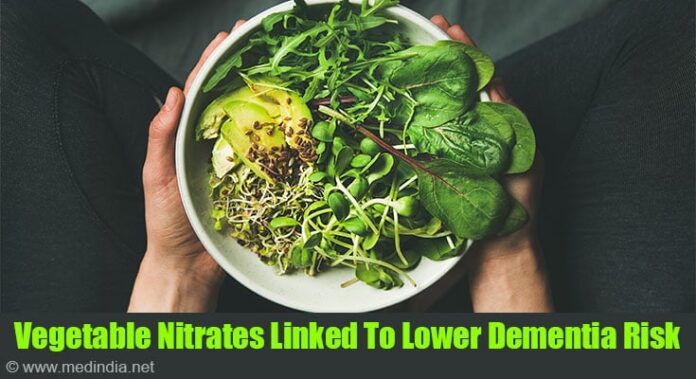
A large Danish study finds plant-based nitrate intake is linked to lower dementia risk, while nitrate from meat and drinking water is associated with higher risk over time.
- Plant-based nitrate intake was linked to a lower risk of dementia
- Animal-sourced nitrate showed an association with higher dementia risk
- Early-onset dementia showed stronger links to nitrate source
A long-term Danish study suggests that where dietary nitrate comes from may matter for brain health. Researchers found that nitrate from vegetables and other plant foods was linked to a lower risk of dementia, while nitrate from animal foods and drinking water showed the opposite pattern. The findings add new nuance to how everyday diet choices could shape cognitive health over time (1✔ ✔Trusted Source
Source-specific nitrate intake and incident dementia in the Danish Diet, Cancer and Health Study
Go to source
).
Nitrate in Drinking Water Raises Dementia Risk, Vegetable Sources Show Lower Risk
TOP INSIGHT

Did You Know?
The source of dietary nitrate may influence dementia risk more than the amount consumed.
#brainhealth #healthyaging #medindia
How Dietary Nitrate Affects Brain Health
Dietary nitrate is converted in the body into nitric oxide, a molecule that supports blood flow and nerve signalling. This process is considered beneficial for vascular and nervous system function. However, nitrate can also form harmful compounds called N-nitrosamines, depending on the food source and surrounding nutrients.
The researchers set out to understand whether nitrate’s impact on dementia risk depends on what foods deliver it. Their results suggest the source makes a meaningful difference.
The study followed 54,804 adults for nearly 27 years. During this period, 4,750 participants developed dementia, including 191 cases of early-onset dementia diagnosed before age 65. People with the highest intake of plant-based nitrate had about a 10 to 11% lower risk of dementia, while higher intake from animal sources and tap water was associated with a higher risk, especially for early-onset dementia.
Plant-Based Nitrate And Dementia Risk
Participants who consumed more nitrate from vegetables and other plant foods had a lower risk of developing dementia. Vegetables such as lettuce and commonly eaten foods like potatoes contributed most to this intake. The association was even stronger for early-onset dementia, pointing to a possible protective effect earlier in life.
Scientists believe plant foods may be protective because they contain antioxidants such as vitamin C, vitamin E, folate, and polyphenols. These compounds can reduce the formation of harmful byproducts while supporting healthy blood vessels in the brain.
Animal and Water As Nitrate Sources Raise Concerns
In contrast, higher nitrate intake from animal-based foods, including meat and dairy, was linked to a higher dementia risk. Nitrate used as a food additive in processed meats also showed an unfavorable association. Researchers suggest this may relate to greater N-nitrosamine formation when nitrate is consumed alongside certain proteins and cooking methods.
The study also found that nitrate from drinking water, even at levels below current regulatory limits, was associated with a higher risk of dementia. This raises questions about long-term exposure and the need for closer monitoring of water quality.
What Nitrates MeansFor Everyday Diet Choices
This research does not suggest eliminating nitrate altogether. Instead, it highlights that plant-based sources appear safer and potentially protective, while non-plant sources deserve caution. The findings align with broader dietary patterns that emphasize vegetables and limit processed meats for long-term health.
The study reinforces a simple but powerful idea. Choosing vegetables more often and relying less on processed animal foods may support brain health as we age. Small daily choices, repeated over years, could shape how well our brains age.
Taking care of your brain by adding more vegetables to your plate is a small step that could support clearer thinking and healthier years ahead.
Frequently Asked Questions
Q: What Is Dietary Nitrate And Why Is It Important For Brain Health?
A: Dietary nitrate is a natural compound found in foods and water that helps produce nitric oxide, which supports blood flow and brain function.
Q: Which Foods Are The Best Sources Of Plant-Based Nitrate?
A: Leafy green vegetables such as lettuce, along with vegetables like potatoes and other plant foods, are major sources of plant-based nitrate.
Q: Why Is Animal-Based Nitrate Linked To Higher Dementia Risk?
A: Animal-based nitrate may promote the formation of neurotoxic N-nitrosamines, especially when combined with certain proteins and cooking methods.
Q: Can Drinking Water Nitrate Affect Dementia Risk?
A: Yes, the study found that higher nitrate levels in tap water were associated with increased dementia risk, even below regulatory limits.
Q: Does This Mean People Should Avoid All Nitrate-Containing Foods?
A: No. The findings suggest focusing on plant-based nitrate sources while limiting processed meats and monitoring water quality for balanced, brain-supportive nutrition.
Reference:
- Source-specific nitrate intake and incident dementia in the Danish Diet, Cancer and Health Study – (https://alz-journals.onlinelibrary.wiley.com/doi/10.1002/alz.70995)
Source-Medindia