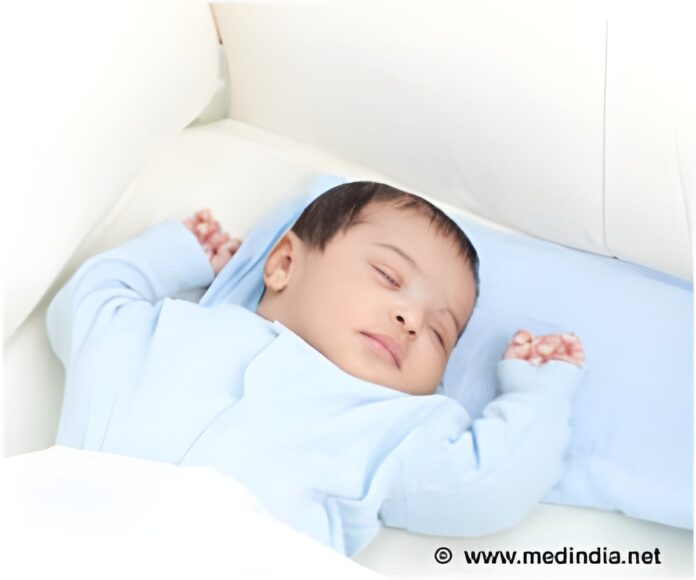
Patting can calm a baby and support better sleep, but timing and technique matter. Find out how to do it right.
- Patting can help babies settle because it creates a calm and familiar rhythm
- Consistency helps patting become part of a soothing sleep routine
- Gradually reducing patting over time can prevent long-term sleep dependency
Getting a baby to sleep can feel like a tender ritual for many families. One of the most common methods parents use is gentle patting, especially during the newborn and infant stages. Many caregivers find that the rhythmic motion calms the baby and supports a smoother transition into sleep. But like every sleep association, there are benefits, challenges and timing considerations that matter.
TOP INSIGHT

Did you know?
Babies respond to rhythm because their earliest memories are linked to the heartbeat sound in the womb. #babysleep #parentingtips #momlife #gentleparenting #medindia
Why Do Babies Find Patting So Soothing
Babies respond strongly to touch. Gentle patting mimics the rhythmic movement and sound they experienced in the womb. This creates a sense of safety, familiarity and comfort (1). The repetitive pattern also helps regulate the baby’s nervous system.
According to infant sleep experts, patting can support the release of calming hormones, which slow down the stress response and help the baby settle (1). The technique sends a predictable signal that it is time to rest. Babies thrive on consistency, so a repeated rhythm allows them to understand what will happen next.
How Patting Can Help During Sleep Training
Some parents use patting as part of sleep training or when teaching their baby to self soothe. Instead of feeding or rocking until fully asleep, patting helps the baby relax while still learning to drift off independently.
This method is often recommended during periods of developmental change, such as sleep regressions or transitions. It is also helpful during bedtime routines, naps or night wakings. While every baby is unique, many respond positively when patting is combined with dim lights, soft sound and a calm environment.
Step-by-Step Way to Pat a Baby to Sleep
Patting does not need to be complicated. A calm routine can help your baby understand that bedtime is approaching.
Here is a simple way to try it:
- Put your baby down drowsy, not fully asleep
- Use gentle, rhythmic pats on their lower back or bottom
- Maintain a steady pace and light pressure
- Pair the patting with a soft shushing sound if needed
- Gradually slow the rhythm as the baby relaxes
Some babies respond best to long slow pats. Others settle faster with short rhythmic taps. Finding the pace that works for your child may take a little patience.
When Patting May Become a Sleep Dependency
Patting is a helpful tool, but if used every time a baby wakes, they may begin to rely on it. This means they may struggle to fall asleep without assistance. As babies grow, some may need patting for longer periods or more frequently, especially during nighttime wakings.
This does not mean patting is wrong. It simply means there may come a time when you slowly reduce the amount of patting. A gradual approach usually works best.
Parents can reduce reliance by:
- Slowing the patting
- Reducing the pressure
- Pausing between pats
- Shifting from patting to a light touch or verbal reassurance
Small changes over days or weeks help the baby learn how to settle independently.
Tips to Make Patting More Effective
Patting works best when paired with healthy sleep habits.
Helpful habits include:
- A consistent bedtime routine
- A predictable nap schedule
- A calm, dark sleep environment
- Avoiding overstimulation before sleep
- Using white noise to reduce external sounds
Sleep experts also emphasise that babies sleep better when they are not overtired. Watching wake windows and sleep cues can make patting smoother and faster.
Is Patting Safe for All Babies?
For most healthy babies, patting is gentle, safe and supportive. If a baby is premature, has reflux or medical concerns, caregivers may need guidance from a pediatric specialist before introducing physical settling techniques.
Patting is a natural, nurturing technique that can help babies feel secure and ready for sleep. It can be soothing for both parent and child and can serve as part of a calming bedtime routine. With time and the right balance, patting can support healthy sleep habits without creating long-term dependency.
Every baby is different, and what works beautifully for one may look different for another. The goal is not perfection, but connection, comfort and rest.
Frequently Asked Questions
Can all babies be patted to sleep?
Most can, but babies with medical needs may require guidance.
Should babies be fully asleep before patting stops?
It is better to stop once they are relaxed and drowsy.
Can patting replace rocking or feeding to sleep?
Yes, it can be a gentler alternative over time.
How long should patting continue?
Just long enough to help the baby settle and relax.
Does patting work during night wakings?
Yes, many babies respond well when restless at night.
References:
- Affective Touch in Preterm Infant Development: Neurobiological Mechanisms and Implications for Child-Caregiver Attachment and Neonatal Care
(La Rosa VL, Geraci A, Iacono A, Commodari E. Affective Touch in Preterm Infant Development: Neurobiological Mechanisms and Implications for Child-Caregiver Attachment and Neonatal Care. Children (Basel). 2024 Nov 20;11(11):1407. doi: 10.3390/children11111407. PMID: 39594981; PMCID: PMC11592606.)
Source-Medindia