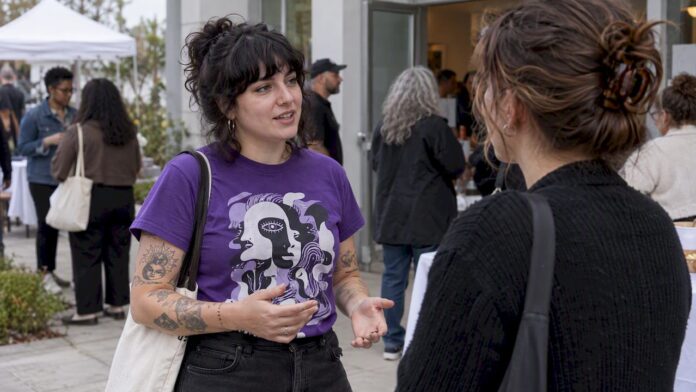
The easiest mental health fundraiser outfit pairs a comfortable base like athleisure or casual wear with one visible advocacy piece, a tee, a green accent, or a ribbon, plus one action device like a QR code, donation sticker, or small sign. That formula works whether you’re walking a 5K, wearing green at your office, or staffing a volunteer table. You don’t need a costume. You need something comfortable enough to last the day and clear enough to spark a question.
TL;DR:
- Wearing comfortable, versatile clothing with a visible advocacy item and a simple action device increases engagement at any event type.
- Event-specific outfits should match the activity’s tone, with active wear for walks, neat casual for workplace days, and polished looks for fashion or official events.
- Using symbols like ribbons or pins in support colors, especially green, helps signal mental health awareness, but organizers’ branding preferences take priority.
- Prepare essentials such as a phone, donation cards, water, and backup advocacy items to stay ready for weather changes and wardrobe emergencies.
- Prioritize having clear, concise messaging or action tools on apparel or accessories to facilitate meaningful conversations and foster genuine connection.
Table of Contents
Outfit ideas for walks, wear-green days, fashion shows, and volunteer shifts
What you wear depends heavily on what you’re actually doing that day. A runner needs different gear than someone handing out flyers at a folding table, and a fashion show calls for something else entirely.
For walks and other active fundraisers, build around movement first:
- A moisture-wicking advocacy tee or tank layered under a light jacket for temperature swings.
- Supportive sneakers you’ve already broken in, not new shoes you’re testing that day.
- A crossbody bag or waist pack with quick-access pockets for your phone and donation cards.
For workplace or community “wear green” days, the goal is tidy and recognizable rather than flashy:
- A green sweater or advocacy tee paired with neutral pants or a skirt keeps the group looking coordinated.
- A small pin or simple jewelry piece adds a personal touch without overpowering the outfit.
- Comfortable shoes matter more than stylish ones if you’re on your feet for a full workday.
Fashion-show or statement events invite more personality. Think a bold graphic piece layered with different textures, an advocacy accessory like a scarf or enamel pin, and a small conversation prop, a card or mini sign that explains what you’re wearing and why. Our walk outfit guide breaks down more combinations if you want ready-made ideas rather than building from scratch.
Volunteers and staff have their own considerations. Functional clothing with real pockets, a clear spot for a name badge, and fabric that wipes clean easily will serve you better than anything precious. If organizers provide a branded volunteer shirt, wear it over or instead of your personal outfit so attendees can spot staff at a glance.
Choosing colors, ribbons, and symbols that signal mental health support
Green is the color most commonly associated with mental health awareness, and campaigns like MHA’s Be Seen in Green build their entire fundraiser around it, inviting workplaces, schools, and communities to wear green together. Always check with the organizer first, though: some events use purple, teal, or a specific ribbon color tied to their own branding, and matching that signal matters more than defaulting to green out of habit.
A few small additions carry a lot of meaning:
- A simple ribbon pinned to a jacket or bag is easy to make, cheap to distribute, and instantly recognizable.
- Enamel pins or small patches work the same way and tend to last longer than fabric ribbons.
- If you’re designing your own message, keep it short and legible: a few words in high-contrast colors read better from a distance than a paragraph crammed onto a shirt.
Comfort, accessibility, and logistics worth planning ahead
A great outfit idea falls apart fast if your feet hurt by mile two or the weather turns and you packed nothing warm. Match your shoes and fabric choice to the event’s length and terrain, and bring a packable layer if the forecast is uncertain.
Sensory needs to deserve a spot in your planning too. Tagless shirts, soft seamless fabrics, and advocacy pieces that signal support without bright flashing colors or loud patterns work better for attendees who are sensitive to texture or visual noise.

Team-based events add their own timeline pressure. AFSP’s Marine Corps Marathon campaign gives runners a custom race jersey, but teams commonly face fundraising minimums and partial-payment deadlines well before race day, so ordering your jersey size early avoids a last-minute scramble. Registration tiers for events like the AFSP Nebraska Run for Hope often bundle a T-shirt into early pricing windows, which is another reason to sign up sooner rather than later.
Before you head out, run through a quick list:
- Phone and charger.
- A card wallet for on-the-spot donations.
- ID, sunscreen, and water.
- A tiny sewing or safety-pin kit for wardrobe emergencies.
Pro Tip: Pack your advocacy pin or ribbon in your bag as a backup even if it’s already on your shirt, in case you swap layers during the day.
Plain apparel becomes a fundraising tool the moment you add a way for people to act on what they’re seeing. A QR code linking to a donation page or crisis resource is one of the simplest additions: keep it at chest level or on a handed-out card, sized large enough and high-contrast enough to scan easily from a normal conversational distance.
Some keys to keeping the message effective:
- Use a sans-serif font and avoid cramming long sentences onto a shirt. A few bold words work better than a paragraph.
- Test your design outdoors in natural light before printing, since colors that look crisp on a screen can wash out in sunlight.
- Iron-on transfers, adhesive patches, ribbon loops, and removable name tags all let you customize a plain shirt without committing to a full print run.
Campaigns like NBGee Foundry’s AFSP fundraiser show this in practice: some apparel collections donate a portion of sales and print a QR code directly on the product, linking anyone curious straight to crisis resources. If you’re ordering custom tees or jerseys for a larger group, use charity event timelines as your benchmark and order several weeks ahead rather than days before.
Pro Tip: Keep your QR code simple, a link straight to a donation page or resource, never a long URL that requires retyping.
Why wearable advocacy works
I’m Michelle Hammer, a schizophrenia activist, and I founded Schizophrenic because I kept noticing how a single sentence on a shirt could open a door a formal conversation never could. We design clothing and accessories meant to spark exactly that kind of exchange: someone reads a graphic tee, asks a question, and suddenly stigma has a little less room to hide. That intention, clothing as a conversation starter rather than decoration, shapes every tip in this guide.
Dressing with professionalism and respect at fundraiser events
Advocacy apparel works best when it reads as sincere rather than attention-seeking. Choose pieces with a clear, respectful message rather than anything that could come across as a joke about mental illness, even an affectionate one. Fit matters here too: clothing that’s clean, properly sized, and in good condition signals that you’re taking the cause seriously.
Context matters as much as the clothing itself. A gala or fashion show calls for more polish, a tailored blazer over an advocacy tee, a well-chosen accessory, while a community walk is forgiving of athletic wear as long as it’s neat. If you’re speaking publicly or representing an organization, lean toward simpler graphics and avoid anything that competes with your message when people are looking at you rather than reading a flyer.
Modesty and coverage expectations vary by event and venue, so when in doubt, check with organizers beforehand rather than guessing. A quick email asking about dress code is never out of place, and it shows the same respect for the cause that your outfit is meant to convey. The goal throughout is balance: visible enough to prompt a conversation, understated enough that the conversation stays focused on the cause rather than the outfit.
Coordinating outfits for group participation
Groups make a bigger visual impact than individuals, and a little coordination goes a long way toward helping your team stand out in photos, crowds, and donor recognition. Picking one shared element, matching tees, the same ribbon color, or a single accent color across different outfits, lets a group register as a unit without requiring everyone to buy an identical outfit.

If your team is ordering shirts together, settle on sizing and color early so nobody’s left scrambling the week of the event. A simple shared spreadsheet or group chat for sizes works fine for teams under twenty people. For larger teams, appoint one person to collect sizes and handle the order so mismatched timelines don’t leave stragglers without a shirt.
Coordinated outfits also help with logistics on event day: organizers and photographers can spot your group instantly, which matters for team photos, media coverage, or directing new arrivals to your table. Even something as small as everyone wearing the same color ribbon or pin, regardless of what else they’re wearing, creates that same visual thread without requiring a full uniform.
Sourcing sustainable and ethically made fundraiser outfits
Buying intentionally matters here, since an advocacy outfit is meant to reflect values, not just a cause slogan. Look for apparel made from organic cotton, recycled polyester, or other lower-impact fabrics when you’re choosing a base layer or team shirt, and check whether a brand discloses where and how its clothing is manufactured.
Smaller, independent brands and activist-run shops often print on demand or in small batches, which cuts down on excess inventory compared to mass production runs. Buying from a maker with a direct stake in the cause, rather than a generic promotional supplier, also means your purchase supports the mission twice: once through the message on the shirt, and once through where your money goes.
If you’re shopping for a team event, ask vendors directly about their printing process and fabric sourcing before placing a bulk order. A quick question about certifications or sourcing adds very little time to your planning and helps ensure the outfit you’re wearing to support a cause doesn’t work against it somewhere else in its supply chain.
Cultural sensitivity in outfit choices at diverse community fundraisers
Mental health fundraisers draw people from a wide range of backgrounds, and colors, symbols, and even styles of dress carry different meanings across cultures. A color that reads as neutral or celebratory in one context might carry religious or cultural significance in another, so it’s worth doing a little research if you’re organizing or dressing for an event in a community different from your own.
Modesty norms vary too. Some communities and faith traditions expect more coverage than typical athleisure provides, so offering guidance or alternative suggestions, like a long-sleeve advocacy tee instead of a tank top, helps more people feel comfortable participating fully. If you’re organizing an event, asking a few community members directly what feels appropriate avoids guesswork and signals genuine respect.
The underlying goal of any fundraiser outfit, visibility and connection, works best when it doesn’t come at the cost of someone else’s comfort or beliefs. A little flexibility in your dress code recommendations, paired with clear communication, makes an event feel welcoming rather than exclusionary.
What actually matters when you get dressed for a cause
Here’s what I’ve noticed after years of making clothing meant to start conversations: people overthink the outfit and underthink the moment after someone reads it. The shirt or ribbon is just the opening line. What happens next, whether you have a QR code ready, a sentence prepared, or simply the willingness to talk, is what actually moves a fundraiser forward.
Conventional advice leans hard on color coordination and matching team gear, and that’s fine as far as it goes, but it misses the bigger point. A slightly mismatched outfit with a genuine answer ready beats a perfectly coordinated team that goes silent when someone asks a real question. If you take one thing from this guide, let it be this: prioritize having something to say over having something flawless to wear. Comfort and visibility matter, but conversation is the actual fundraiser.
— Michelle
Where to find fundraiser-ready pieces that do the talking for you
We built Schizophrenic around pieces that work exactly the way this guide describes: comfortable enough for a full day of walking or volunteering, and direct enough to start the conversation without you having to force it. Our catalog includes a variety of items suitable for a fundraiser outfit.
Before ordering, check the sizing chart and allow extra lead time if coordinating a group order, as is common for custom team runs. If a sewing project or team shirt supplier is more your speed for a larger group, The Flaming Bean Roastery’s charity collection offers a good example of how small brands style and build out fundraiser merchandise around a central piece.
Ready to put together your outfit? Browse our full collection at Schizophrenic and pick the pieces that fit your event.
FAQ
What should I wear to a fundraiser?
Wear something comfortable enough for the event’s length, like athleisure for a walk or neat casual wear for an office event, paired with one visible advocacy item such as a tee, pin, or ribbon. Add a small action tool, a QR code or donation card, so curious people have an easy next step.
Is there a t-shirt that promotes mental health awareness?
Yes, advocacy brands including Schizophrenic design T-shirts specifically meant to spark conversation about mental health and reduce stigma around conditions like schizophrenia. These shirts typically pair bold graphics or short messages with a clear point of view.
What color to wear for mental health day?
Green is the most common color choice for mental health awareness, used by campaigns like MHA’s Be Seen in Green. Always confirm with event organizers first, since some fundraisers use a different signature color or ribbon shade.
Where can I get free mental health pamphlets by mail?
Pamphlet availability depends on the specific organization, and we don’t have a universal source to point to here. Reaching out directly to a mental health nonprofit or your local health department is the most reliable way to request printed materials.
Sources
Recommended
Comments