Starting next month, NHS England will increase bowel cancer screening sensitivity, referring more people for earlier, potentially life-saving follow-up tests.
England’s National Health Service (NHS) has announced a major overhaul of its bowel cancer screening programme that could lead to earlier detection and prevention of thousands of cases, officials say. ()
This marks one of the most significant changes to screening in years and aims to make the programme more sensitive and effective against one of the UK’s deadliest cancers.
TOP INSIGHT

Changes to the national #bowelcancerscreening programme are set to save thousands of lives!
Earlier detection and preventative treatments are expected to cut #deathrates dramatically. Don’t wait—regular screening saves lives.
#NHS #BowelCancer #England #WorldCancerDay
How NHS England Is Lowering the FIT Threshold to Detect Cancer Earlier
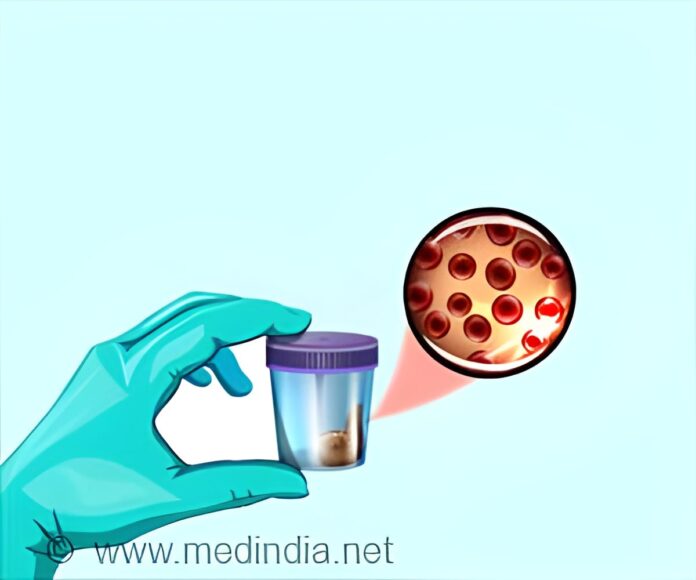
At the heart of the changes is an adjustment to the fecal immunochemical test (FIT) — a home screening test that checks stool samples for tiny amounts of blood, which can be an early indicator of bowel cancer.
Currently, people whose samples show 120 micrograms of blood per gram of stool are referred for further investigation. Under the new plans, this threshold will be lowered to 80 micrograms per gram by 2028, bringing England’s standards into line with practices already in place in Scotland and Wales.
Health experts say this change will make the test significantly more sensitive, meaning smaller traces of blood will now trigger follow-up procedures such as colonoscopies — which can detect cancer or high-risk precancerous polyps.
NHS England estimates that the increased sensitivity will allow doctors to detect about 600 additional bowel cancer cases each year in England — an 11% rise over current early diagnoses — and identify around 2,000 more people with high-risk polyps that could be removed before they develop into cancer.
Modelling suggests that earlier detection through this heightened sensitivity could reduce late-stage diagnoses and prevent deaths from bowel cancer by roughly 6%. Detecting cancers earlier also increases the chances of more successful treatment and could save the health service around £32 million annually, the NHS says.
The NHS already expanded eligibility in recent years, lowering the age range from 60–74 to include people aged 50–53, and sending nearly 7 million FIT kits to eligible individuals.
NHS to Use App and Text Alerts to Boost Screening Participation
Officials plan to roll out digital alerts via the NHS App and text messaging to remind people when their screening kits are on the way, aiming to boost participation rates. The FIT test process itself — completed at home and mailed back for analysis — will remain the same.
Cancer charities and experts have welcomed the change as a key step toward catching more cancers early, noting that late diagnoses remain common and are often associated with poorer outcomes.
The screening update will be included in the government’s forthcoming National Cancer Plan, set to launch on World Cancer Day, February 4. The plan is expected to outline broader efforts to improve cancer detection, treatment and survival rates across the NHS.
Public health leaders are urging eligible adults to take part in bowel screening when invited, saying that early detection remains one of the most effective tools against bowel cancer — a disease that affects more than 44,000 people in the UK annually and remains a leading cause of cancer deaths.
References:
- NHS to detect and prevent thousands more bowel cancers with more sensitive screening – (https://www.england.nhs.uk/2026/01/nhs-detect-prevent-thousands-more-bowel-cancers-more-sensitive-screening)
Source-Medindia