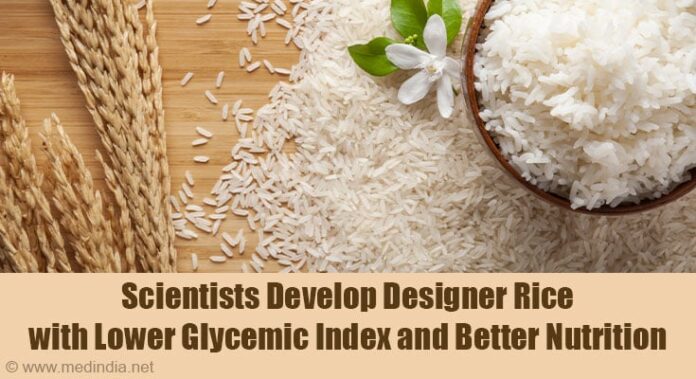
A newly developed designer rice with higher protein and lower glycemic index may support healthier blood sugar response while improving micronutrient intake.
- Newly developed designer rice contains about three times more protein than conventional rice
- Low glycemic index formulation may slow post-meal blood glucose rise
- Fortified with iron, folic acid, and vitamin B12 to address nutrient gaps
Rice is a daily staple for more than half of the world’s population and supplies a major share of calories in many Asian diets. Yet conventional polished rice contains rapidly digestible starch that can trigger sharp rises in post-meal blood glucose levels, raising concerns in regions experiencing growing rates of type 2 diabetes (1✔ ✔Trusted Source
CSIR-NIIST to Showcase Market-Ready Technologies at Tech Connect Event in New Delhi
Go to source
).
In response, scientists at the Council of Scientific and Industrial Research–National Institute for Interdisciplinary Science and Technology (CSIR-NIIST) in Thiruvananthapuram have developed a new designer rice using food engineering technology.
The newly formulated rice contains higher protein and a lower glycemic index, aiming to improve the nutritional profile of a widely consumed staple while helping moderate rapid blood sugar spikes in rice-dependent populations.
How the New Designer Rice Was Developed
The rice was developed by researchers at the Council of Scientific and Industrial Research–National Institute for Interdisciplinary Science and Technology (CSIR-NIIST) in Thiruvananthapuram.
Scientists used a food structuring technique that reconstructs rice grains from their basic components in order to improve nutritional quality.
In this process, broken rice fragments generated during milling are converted into flour. The flour is then blended with additional protein sources and micronutrients before being reshaped into grain-like structures that resemble conventional rice when cooked.
Laboratory analysis indicates that:
- The newly developed rice contains more than 20 percent protein, compared with approximately 6 to 8 percent protein found in polished rice.
- The rice also demonstrates a glycemic index below 55, placing it within the low-GI category.
- In addition to higher protein content, the rice has been fortified with key micronutrients including iron, folic acid, and vitamin B12, which are insufficient in cereal-based diets.
Why Glycemic Index Matters for Blood Sugar Control
The glycemic index (GI) is a measurement that reflects how quickly carbohydrate-containing foods raise blood glucose levels after consumption. High-GI foods are digested rapidly and can cause sharp spikes in blood sugar.
Frequent intake of high-GI foods has been associated with an increased risk of insulin resistance and type 2 diabetes. In contrast, low-GI foods slow carbohydrate digestion and glucose absorption, resulting in a more gradual rise in blood sugar.
Higher protein levels in carbohydrate-rich foods may also slow gastric emptying and digestion. This combination of lower GI and increased protein is intended to help moderate post-meal glucose responses when rice is consumed as part of a meal.
Improving Nutrition Through Staple Food Innovation
Many countries face what public health experts describe as a dual burden of malnutrition, where rising rates of metabolic diseases coexist with persistent micronutrient deficiencies.
Rice-based diets often provide adequate energy but relatively limited protein and micronutrients. Enhancing the nutritional composition of rice therefore offers a potential strategy to improve dietary quality without requiring major changes in eating habits (2✔ ✔Trusted Source
Conceptualization of Rice with Low Glycaemic Index: Perspectives from the Major European Consumers
Go to source).
Because rice is consumed daily by billions of people, even modest improvements in its nutritional composition could contribute to improved nutrient intake if adopted widely.
The technology developed by researchers has been prepared for transfer to food industry partners, allowing potential large-scale production and wider availability in the future.
Research Limitations and Future Studies
Although the nutritional characteristics of the designer rice appear promising, further research is needed to determine its long-term health effects.
Current evidence is based primarily on nutritional formulation and glycemic index evaluation. Large clinical trials involving individuals with diabetes have not yet been conducted.
Future studies will need to evaluate post-meal glucose responses in human populations and assess long-term metabolic outcomes.
Researchers emphasize that improved staple foods should complement broader lifestyle approaches that include balanced diets, physical activity, and appropriate medical care.
Takeaway
The development of protein-rich, low glycemic index designer rice highlights how food science can improve the nutritional profile of staple foods. By combining higher protein content, micronutrient fortification, and slower carbohydrate digestion, the innovation may help support healthier dietary patterns in rice-consuming populations. Continued research will be important to determine its long-term role in diabetes prevention and nutritional health.
Frequently Asked Questions
Q: What is designer rice?
A: Designer rice is a specially developed rice variety designed to improve its nutritional profile. It has a lower glycemic index, helping control blood sugar by releasing glucose more slowly.
Q: Can low glycemic index rice help manage blood sugar?
A: Low-GI foods cause slower increases in blood glucose levels. Including low-GI rice as part of a balanced diet may help support blood sugar control. Individuals with diabetes should consult a diabetologist or endocrinologist for personalized advice.
Q: What is the glycemic index of normal white rice?
A: Polished white rice usually has a moderate to high glycemic index, typically ranging between about 64 and 89 depending on the variety and cooking method.
Q: How much protein does the new designer rice contain?
A: The newly developed formulation contains more than 20 percent protein, which is about three times higher than the protein content of typical polished rice.
Q: Does fortified rice help reduce nutrient deficiencies?
A: Fortified rice can provide essential micronutrients such as iron, folic acid, and vitamin B12 that help address dietary deficiencies in populations relying heavily on cereal-based diets.
Q: Which specialist should I consult for diabetes diet advice?
A: Individuals managing diabetes should consult a diabetologist, endocrinologist, or clinical nutritionist for personalized dietary guidance and blood sugar management strategies.
References:
- CSIR-NIIST to Showcase Market-Ready Technologies at Tech Connect Event in New Delhi – (https://www.pib.gov.in/PressReleasePage.aspx?PRID=2228737®=3&lang=2)
- Conceptualization of Rice with Low Glycaemic Index: Perspectives from the Major European Consumers – (https://pmc.ncbi.nlm.nih.gov/articles/PMC9319176/)
Source-Medindia