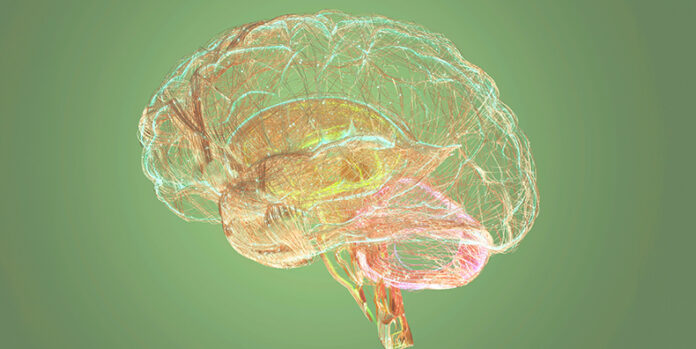
From psilocybin to TMS, cutting-edge therapies are giving people with hard-to-treat bipolar symptoms new avenues toward mood stability.
Key Takeaways
- Emerging therapies are being studied for treatment-resistant bipolar depression, but most are not yet FDA-approved specifically for bipolar disorder.
- These approaches are generally intended to complement standard medications, not replace them.
- Because the evidence is still developing, any new therapy requires close medical supervision and a personalized approach.
When it comes to treating bipolar disorder, medication, talk therapy, and lifestyle changes are the cornerstones of care. These methods work well for most people, helping manage mood swings and bring stability to daily life.
But sometimes, traditional approaches just aren’t enough. If symptoms of bipolar disorder or treatment side effects continue to get in the way of the life you want to live, it might be time to consider alternatives in conversation with your psychiatrist.
What Are the Emerging Treatments for Bipolar Disorder?
Emerging treatments for bipolar disorder are innovative therapies that may offer relief alongside your regular care or when standard options haven’t worked.
Unlike standard therapies, these approaches are not yet part of the official clinical guidelines. This is often because they lack specific approval from the U.S. Food and Drug Administration (FDA) for bipolar disorder, their evidence base remains mixed, or there are high costs and access barriers.
It’s helpful to understand that a treatment approved for major depressive disorder (MDD) or anxiety isn’t automatically safe or effective for bipolar disorder. Bipolar disorder affects the brain differently, and treatments meant for standard depression can sometimes trigger manic episodes or rapid mood swings. While off-label care is common in psychiatry, these newer approaches carry unique risks and lack standardized treatment guidelines.
Emerging options include brain stimulation techniques — such as transcranial magnetic stimulation (TMS) and cranial electrotherapy stimulation (CES) — as well as experimental therapies involving psilocybin and off-label ketamine.
These cutting-edge therapies may open new potential avenues for managing symptoms and improving your quality of life, but because of the risks involved, they should only ever be explored under the close, direct supervision of your psychiatrist.
Brain Stimulation Therapies for Bipolar Disorder
Brain stimulation therapies — such as TMS, CES, and vagus nerve stimulation (VNS) — are nondrug approaches that aim to influence the brain activity involved in mood regulation. Each therapy stimulates the brain differently.
Transcranial Magnetic Stimulation
Using magnetic pulses, TMS stimulates brain regions involved in mood. It’s noninvasive, meaning it doesn’t involve surgery. Compared with electroconvulsive therapy (ECT), TMS is generally easier to tolerate, although ECT is often more effective at treating depression.
You may also hear the term “repetitive TMS,” or “rTMS.” This means that the magnetic pulses are delivered repeatedly in specific patterns to help produce longer-lasting changes in brain activity. Healthcare professionals often use TMS as a shorthand for both.
Different kinds of magnetic coils can target different brain structures. “If ECT is global, TMS is local,” says David Frederick, MD, medical director of McLean’s Appleton residential program in Belmont, Massachusetts.
People with symptoms of depression often have a less active area in the front of their brain called the dorsolateral prefrontal cortex. TMS can target this part of the brain to address specific mood symptoms, according to an analysis of over 170 studies.
While specific TMS devices are FDA-cleared for MDD (unipolar depression), no TMS currently holds FDA approval for treating bipolar depression or bipolar disorder. The research involving bipolar depression is promising, but results across protocols remain mixed, and more robust studies are still needed.
Does TMS Work for Bipolar Disorder?
“Multiple studies have looked at TMS use (including deep TMS) in bipolar disorder, and bipolar depression in particular, given that a significant number of patients with bipolar depression fail to respond to multiple other treatments,” says Sina Nikayin, MD, an assistant professor of psychiatry at Yale School of Medicine in New Haven, Connecticut.
“The results of these studies have been mixed, with some showing positive results while others have been negative.” There’s likely a subgroup of people with bipolar depression who can benefit from the TMS as part of their treatment strategy, he says.
“At a minimum, these patients need to have failed multiple medication treatments and currently meet the criteria for an episode of moderate to severe depression,” says Dr. Nikayin.
A typical course of TMS for bipolar depression involves four to six weeks of daily treatment on weekdays, with a short tapering phase usually lasting two to three weeks. “Most patients who would be responders usually start noticing some improvements around midway through the course,” Nikayin says.
A systematic review and meta-analysis published in 2025 concluded that TMS helped reduce symptoms in adults with bipolar depression, though individual responses varied.
What Are the Risks of TMS?
TMS can be associated with mania or hypomania in some people with bipolar depression, but published studies suggest that this risk is low and not clearly higher than with sham treatment. Other side effects are usually mild and temporary, such as headache, local discomfort, fatigue, sleepiness, or insomnia, while serious events such as seizure appear to be rare.
As Nikayin notes, the risk of a manic or hypomanic episode should be weighed against the potential benefit for each person. Published reviews also emphasize careful screening and monitoring during treatment, especially because predictors of mood switching remain unclear.
Vagus Nerve Stimulation
VNS uses a small, surgically implanted device in the chest to deliver mild electrical pulses to the vagus nerve in the neck, which sends signals to brain pathways involved in mood regulation
The FDA has cleared VNS as an add-on therapy for adults with severe, treatment-resistant unipolar depression who have not responded to multiple treatments. However, VNS is not FDA-approved for bipolar disorder. A nonsurgical method called transcutaneous VNS (tVNS), which applies electrical pulses through external ear electrodes, remains investigational for mood disorders and is not FDA-approved.
Alternatively, transcutaneous VNS uses electrodes clipped to the ears, which innervate the vagus nerve. “When indicated, this may be a noninvasive alternative to conventional VNS,” says Muaid Ithman, MD, a psychiatrist with University of Missouri Health Care in Columbia.
Does VNS Work for Bipolar Disorder?
Emerging research suggests that VNS may help some people with treatment-resistant bipolar depression when added to standard treatment.
One large observational study that followed nearly 800 people with treatment-resistant depression, including those with unipolar and bipolar depression, found that people who added VNS to their treatment plan reported less severe depression after five years, compared with those who did not use VNS.
Research published in the International Journal of Bipolar Disorders also suggests that VNS may be a helpful add-on. In a five-year observational study, 63 percent of participants who added VNS to their usual treatment responded to the therapy, compared with 39 percent of those who stayed with usual treatment alone. Because these studies were observational and not randomized, more research is needed to confirm these findings.
“The treatment is ongoing, and the effects are slow; it is not a quick fix for depression, as it can take many months to provide the desired results,” Dr. Ithman says.
While the benefits may be slow to appear, they can be long-lasting. VNS can be used for as long as it remains effective and tolerated, and the device’s batteries can last for up to 9 or 10 years, Ithman adds.
What Are the Risks of VNS for Bipolar?
The most commonly reported side effects of implanted VNS include hoarseness, voice changes, throat pain, and coughing during stimulation. A rare but documented risk is that it may induce mania or hypomania, says Ithman.
Additionally, VNS requires surgery, and because it is not FDA-approved for bipolar disorder, most insurance companies will not cover it for that use, meaning out-of-pocket costs are likely.
Cranial Electrotherapy Stimulation
Using electrical currents that are so mild you may barely feel them, CES stimulates the brain. The devices are small too — about the size of a cellphone, explains Ithman.
Although CES was previously used for depression, it’s now only FDA-approved for anxiety and insomnia. “As a result, CES has no role in treating depressive symptoms,” says Ithman.
“However, because patients with bipolar disorder have a high prevalence of anxiety (28 to 57 percent), and 70 percent of patients, even those with stable mood, suffer from sleep problems — putting them at risk of more episodes of depression or mania — CES may … address these symptoms,” he adds.
Does CES Work for Bipolar Disorder?
CES is not FDA-approved for bipolar disorder, but limited research suggests that it may support sleep when combined with standard lifestyle interventions. In a double-blind randomized controlled study, combining CES with sleep hygiene practices was more effective than sleep hygiene alone in treating chronic insomnia.
Good sleep hygiene includes keeping your bedroom cool and dark, avoiding smartphone use before bed, and maintaining consistent sleep and wake times, per the Centers for Disease Control and Prevention.
What Are the Risks of CES for Bipolar?
As with many treatments for people with bipolar disorder, there’s a potential risk of it inducing hypomanic or manic symptoms. That’s why, even though it’s possible to buy CES devices online yourself, they should only be used under the supervision of a mental health specialist. Unfortunately, most health insurance companies do not cover CES.
Ketamine and Rapid-Acting Treatments for Bipolar Depression
Made infamous as the club drug “Special K,” ketamine has influenced new treatments in psychiatry. While ketamine — a surgical anesthetic — itself is not FDA-approved for any psychiatric conditions, a nasal spray ketamine derivative called esketamine (Spravato) is approved for treatment-resistant major depressive disorder.
“If a person is in a really bad state, there’s some preliminary evidence for ketamine as a rapid treatment for depression and suicidality,” explains Dr. Frederick. That’s a big deal, since there are not very many medications that reduce suicide risk, he says.
Unlike conventional antidepressants, which take up to eight weeks to start working, ketamine’s effects can begin rapidly. However, the evidence for its use in bipolar depression specifically is still preliminary, and it should be used under close clinical supervision.
Ketamine therapy, or ketamine-assisted therapy, uses low doses to treat conditions like treatment-resistant depression, anxiety, and post-traumatic stress disorder, either alone or with psychotherapy. While various forms are available at mental health facilities, oral and intravenous formulations for psychiatric use remain off-label.
Does Ketamine Work for Bipolar Disorder?
Ketamine may offer rapid, short-term relief for severe, treatment-resistant bipolar depression, but the evidence base is still limited, and it’s not FDA-approved for psychiatric use — IV ketamine is approved only as an anesthetic.
In one study of 75 people with unipolar or bipolar depression, about half reached remission after three IV infusions over 11 days, and many experienced a sharp drop in suicidal thoughts after treatment.
In a real-world study published in Bipolar Disorders, 35 people with treatment-resistant bipolar depression who used intranasal esketamine improved significantly at one month and again at three months. The risk of mania or hypomania appeared low, though the study was small.
One meta-analysis found that ketamine-based treatments led to meaningful short-term improvement. However, most included studies used IV ketamine, and esketamine data involving bipolar depression remains limited to small studies.
What Are the Risks of Ketamine for Bipolar?
Ketamine carries significant physical and psychiatric risks, including dissociation, sedation, and blood pressure spikes. For people with bipolar disorder, ketamine carries a direct risk of triggering manic or psychotic symptoms.
You should be wary of commercial ketamine clinics or at-home oral ketamine services that do not involve a comprehensive psychiatric evaluation. Unmonitored use in bipolar disorder presents severe clinical safety risks. Additionally, the esketamine nasal spray (Spravato) carries an FDA black box warning highlighting risks such as dissociation and suicidal thoughts and behaviors.
There’s also a risk of addiction, particularly when used recreationally or by people with a history of substance use disorders. However, when administered in controlled clinical environments by medical professionals, studies suggest the risk of addiction is low, Frederick says.
Because the bipolar evidence remains limited and the long-term safety and efficacy are not yet established, ketamine-based treatments for bipolar depression should be considered strictly off-label and used only under close psychiatric supervision.
Psychedelics for Bipolar Disorder: Current Research
According to a bipolar disorder review published in The Lancet, there has been renewed interest in psychedelics — in particular psilocybin — for treating bipolar depression.
Psilocybin, the chemical compound that gives “magic mushrooms” their “magic,” affects how the brain works and how different brain regions communicate with each other.
“Based on the largest available data so far from unipolar depression, relief can occur within hours or days of the treatment and last for many weeks,” says Nikayin. The largest studies have focused on a single dose, but researchers are also examining the effects of multiple doses.
“Although there’s significant excitement in the field about psilocybin, and the data so far have been promising, it is important to note that we are still learning and studying this treatment, and it is not yet approved for use in unipolar depression or bipolar depression,” Nikayin says.
While psilocybin is not currently approved by the FDA for treating any mental health disorders, the agency has granted a breakthrough therapy designation to two formulations of psilocybin being studied as potential treatments for treatment-resistant depression and MDD. The National Institute on Drug Abuse is funding research on psilocybin as a possible treatment option for substance use disorders and various other mental health conditions.
Does Psilocybin Work for Bipolar Disorder?
Nikayin believes that psilocybin is likely effective for some people with major depressive and bipolar disorder — particularly those experiencing treatment resistance — and the research supports this.
A small but promising study published in JAMA Psychiatry followed 14 people with bipolar 2 depression who took a single 25 milligram dose of psilocybin with supportive therapy. Many saw their depression lift significantly afterward — and importantly, no one experienced mania or hypomania, and suicidal thoughts did not get worse for anyone in the study.
In clinical trials, repeated 25 milligram doses paired with supportive therapy helped significantly reduce depression in people with bipolar 2 disorder — though experts stress that this was done in a closely monitored medical setting.
What Are the Risks of Psilocybin for Bipolar?
People with bipolar disorder have historically been excluded from modern psilocybin trials because of concerns that the treatment could trigger mania, psychosis, or worsening mood symptoms.
Evidence for this risk is limited but real: A review of published case reports identified 17 possible cases of psychedelic-associated manic symptoms, although the authors also noted that the true rate is unknown and may be low.
In a web-based survey of 541 people with bipolar disorder who had used psilocybin, 32.2 percent reported new or worsening symptoms after a “trip,” most often manic symptoms, sleep problems, and anxiety, while emergency medical use was uncommon.
A recent review across psychedelic studies found that mood elevation or manic symptoms can occur, especially in unsupervised settings and in people with bipolar 1 disorder, family vulnerability, or substance use issues.
Neurofeedback and Brain-Based Therapies
Neurofeedback is a type of biofeedback, a technique that leverages technology to help you become aware of — and eventually control — your internal sensations.
Different types of biofeedback target different body sensations. For example, pads on your fingers can alert you to changes in perspiration or body temperature, according to Mayo Clinic. Making slight changes to these bodily processes can help you manage your mood and mental health symptoms from the bottom up.
Neurofeedback teaches self-control over brain functions by measuring brain waves on an electroencephalogram, a test that measures electrical activity in the brain, explains David Dodell-Feder, PhD, an associate professor of psychology and neuroscience at the University of Rochester in New York.
Does Neurofeedback Work for Bipolar Disorder?
Neurofeedback shows particular promise for managing symptoms of bipolar disorder; however, while the data on biofeedback and neurofeedback is exciting, Dr. Dodell-Feder says that we’re not at a point where these treatments are ready to replace existing care for bipolar. “We need to learn more about the technology, bipolar disorder, and the brain targets that need feedback.”
Dodell-Feder and colleagues reviewed 17 studies on brain-based biofeedback for people with mental health conditions. In these studies, specialized brain imaging tools measured brain activity and then presented it back to the person being scanned, allowing them to make connections and potentially learn to control particular brain regions. The goal of this approach is to ultimately help people manage their mental health symptoms.
The results of the analysis were modest but promising, showing small improvements in both brain activity and symptoms.
What Are the Risks of Neurofeedback for Bipolar?
Biofeedback or neurofeedback is usually considered low-risk, as long as you stay the course with your other treatments. However, the techniques may not work for everyone, so speak to your healthcare provider first.
Dark Therapy or Light Therapy
Altering the amount of light you’re exposed to can address both the depression and mania symptoms associated with bipolar disorder. “This treatment is not considered a primary treatment and is typically used in conjunction with other treatments to improve mood,” explains Ithman.
To ease depression symptoms, consider increasing your light exposure. Ithman generally advises 30 minutes of bright light in the morning every day throughout the winter season. However, these standard practices may need to be adjusted for someone managing bipolar depression.
Does Dark Therapy or Light Therapy Work for Bipolar Disorder?
Dark therapy or light therapy may work for treating bipolar. In an older review of seven trials comprising more than 250 people with bipolar disorder, light therapy reduced scores on a standardized scale measuring depressive symptoms. What’s more, light therapy did not cause a switch from depression to mania, according to the research.
Results of research into dark therapy for bipolar are equally encouraging. In one randomized trial, people with bipolar who continued taking their regular medication and wore amber lenses whenever they were not in real darkness from 6 p.m. to 8 a.m. showed improvements in manic symptoms, compared with a similar group who wore clear lenses.
“While treating bipolar depression, research has shown that light therapy is more beneficial when used between noon and 2:30 p.m. rather than early in the morning,” says Ithman.
Bright light therapy is now recognized as a safe and effective option for treating bipolar depression — and it’s generally well tolerated. In 2025, the International Society for Bipolar Disorders (ISBD) published clinical recommendations supporting its use as an add-on treatment for bipolar depression. Notably, the ISBD reports a lower rate of triggering mania than antidepressant medications.
The ISBD recommends starting gently at 15 minutes a day, then gradually building up to 30 to 60 minutes. Before starting, it’s important to be on a stable mood-stabilizing medication (especially for bipolar 1) — so it’s a good idea to talk with your doctor or care team first to make sure it’s the right fit for you.
Don’t worry if you don’t see an impact right away. “It can take anywhere from a few days to two weeks to see an effect,” adds Ithman. “Light therapy is not the sole solution for depression; thus, its effects will be temporary, and the patient should continue to get their primary therapies.”
On the flip side, manic symptoms can be reduced by decreasing light exposure. That doesn’t mean you need to live in a cave. Amber glasses, worn in the evenings, can be enough, according to Harvard Medical School. They work by blocking blue light.
What Are the Risks of Dark Therapy or Light Therapy for Bipolar?
While phototherapy is relatively low-cost and easy to access, it’s still a treatment that requires care for someone with bipolar disorder. Bright light therapy carries a small risk of triggering mania or hypomania — particularly if it’s used at the wrong dose, at the wrong time of day, or without stable mood-stabilizing treatment. For this reason, it’s best done under the guidance of a mental health professional.
Who Should Consider Emerging Treatments?
If you’re living with treatment-resistant bipolar disorder and standard therapies haven’t given you the relief you need, an emerging treatment might be worth discussing.
Because these therapies affect everyone differently, there is no blanket rule for who should try them. Deciding if one is right for you comes down to a personalized conversation with your doctor — one that weighs your unique symptom history, treatment goals, and personal preferences against the potential risks.
Risks and Limitations of New Bipolar Treatments
New and emerging treatments for bipolar disorder can offer additional care options and support, particularly if your symptoms haven’t responded to standard care. Yet important limitations remain.
So far, most emerging therapies for bipolar have had either mixed or limited evidence. The research tends to be based on small studies, open-label trials, observational research, or studies conducted primarily in people with unipolar depression rather than bipolar disorder — which can make it difficult to know if the results apply to bipolar disorder at all, or to distinguish the effects by bipolar type.
Also, some of these treatments may affect people differently, depending on whether they’re experiencing depression, mania, or a mixed episode. Some side effects can include an increased risk of mania, poor sleep, or increased anxiety.
Because so little is known about the long-term safety and effectiveness of these approaches, experts advise cautious optimism for now. Emerging treatments should generally not replace standard treatment, and if you’re interested in trying them, talk with your doctor first. Your doctor can weigh the evidence and risks, balancing them with your unique goals, priorities, and clinical history.
Additional reporting by Ana Sandoiu.
Editorial Sources and Fact-Checking
bpHope follows strict sourcing guidelines to ensure the accuracy of its content, as outlined in our editorial policy. We use only trustworthy sources, including peer-reviewed studies, board-certified medical experts, people with lived experience, and information from top institutions.
SOURCES +
- Kan RDL et al. Effects of Repetitive Transcranial Magnetic Stimulation of the Left Dorsolateral Prefrontal Cortex on Symptom Domains in Neuropsychiatric Disorders: A Systematic Review and Cross-Diagnostic Meta-Analysis. The Lancet Psychiatry. April 2023.
- Ventura F et al. Efficacy, Effectiveness, and Safety of Transcranial Magnetic Stimulation for Bipolar Depression: A Systematic Review and Meta-Analysis. Biological Psychiatry: Global Open Science. September 26, 2025.
- Miuli A et al. Hypomanic or Manic Switch After Transcranial Magnetic Stimulation in Mood Disorders: A Systematic Review and Meta-Analysis. World Journal of Psychiatry. August 19, 2021.
- Aaronson ST et al. 5-Year Observational Study of Patients With Treatment-Resistant Depression Treated With Vagus Nerve Stimulation or Treatment as Usual: Comparison of Response, Remission, and Suicidality. American Journal of Psychiatry. March 31, 2017.
- McAllister-Williams RH et al. The Effects of Vagus Nerve Stimulation on the Course and Outcomes of Patients With Bipolar Disorder in a Treatment-Resistant Depressive Episode: A 5-Year Prospective Registry. International Journal of Bipolar Disorders. May 2, 2020.
- Kwon DR et al. Synergic Effects of Cranial Electrotherapy Stimulation With Sleep Hygiene in Patients With Chronic Insomnia. Journal of Sleep Medicine. June 30, 2019.
- About Sleep. Centers for Disease Control and Prevention. May 15, 2024.
- Parikh SV et al. Clinical Outcomes in the Biomarkers of Ketamine (Bio-K) Study of Open-Label IV Ketamine for Refractory Depression. Journal of Affective Disorders. March 1, 2024.
- Martinotti G et al. Treating Bipolar Depression With Esketamine: Safety and Effectiveness Data From a Naturalistic Multicentric Study on Esketamine in Bipolar Versus Unipolar Treatment-Resistant Depression. Bipolar Disorders. January 13, 2023.
- Nunez NA et al. An Update on the Efficacy of Single and Serial Intravenous Ketamine Infusions and Esketamine for Bipolar Depression: A Systematic Review and Meta-Analysis. Brain Sciences. December 1, 2023.
- Spravato (Esketamine) Nasal Spray, CIII: Prescribing Information. U.S. Food and Drug Administration. March 2019.
- Singh B et al. Bipolar Disorder. The Lancet. July 22, 2025.
- Psilocybin (Magic Mushrooms). National Institute on Drug Abuse. January 2024.
- Aaronson ST et al. Single-Dose Synthetic Psilocybin With Psychotherapy for Treatment-Resistant Bipolar Type 2 Major Depressive Episodes: A Nonrandomized Open-Label Trial. JAMA Psychiatry. December 6, 2023.
- Rosenblat JD et al. Psilocybin-Assisted Psychotherapy for Treatment-Resistant Depression: A Randomized Clinical Trial Evaluating Repeated Doses of Psilocybin. Med. March 8, 2024.
- Gard DE et al. Evaluating the Risk of Psilocybin for the Treatment of Bipolar Depression: A Review of the Research Literature and Published Case Studies. Journal of Affective Disorders Reports. December 2021.
- Morton E et al. Risks and Benefits of Psilocybin Use in People With Bipolar Disorder: An International Web-Based Survey on Experiences of ‘Magic Mushroom’ Consumption. Journal of Psychopharmacology. January 2023.
- Eskinazi M et al. Psychedelic-Induced Hypomania and Mania: A Systematic Review and Meta-Analysis. Molecular Psychiatry. May 29, 2026.
- Biofeedback. Mayo Clinic. March 18, 2023.
- Dudek E et al. The Efficacy of Real-Time Functional Magnetic Resonance Imaging Neurofeedback for Psychiatric Illness: A Meta-Analysis of Brain and Behavioral Outcomes. Neuroscience & Biobehavioral Reviews. February 2021.
- Lam RW et al. Light Therapy for Patients With Bipolar Depression: Systematic Review and Meta-Analysis of Randomized Controlled Trials. Canadian Journal of Psychiatry. May 2020.
- Henriksen TE et al. Blue-Blocking Glasses as Additive Treatment for Mania: A Randomized Placebo-Controlled Trial. Bipolar Disorders. May 2016.
- Geoffroy PA et al. Light Therapy for Bipolar Disorders: Clinical Recommendations From the International Society for Bipolar Disorders (ISBD) Chronobiology and Chronotherapy Task Force. Dialogues in Clinical Neuroscience. July 24, 2025.
- Liebson E. Can Light Therapies Help With Bipolar Disorder? Harvard Health Publishing. February 18, 2020.
- Grunebaum MF et al. Ketamine Versus Midazolam in Bipolar Depression With Suicidal Thoughts: A Pilot Midazolam-Controlled Randomized Clinical Trial. Bipolar Disorders. April 28, 2017.
- Transcranial Magnetic Stimulation (TMS) Treatment. UC Davis Health
- Camprodon JA. Therapeutic Neuromodulation for Bipolar Disorder — the Case for Biomarker-Driven Treatment Development. JAMA Network Open. March 12, 2021.
- FDA Issues First Draft Guidance on Clinical Trials With Psychedelic Drugs. U.S. Food and Drug Administration. June 23, 2023.
UPDATED: Originally published June 10, 2024