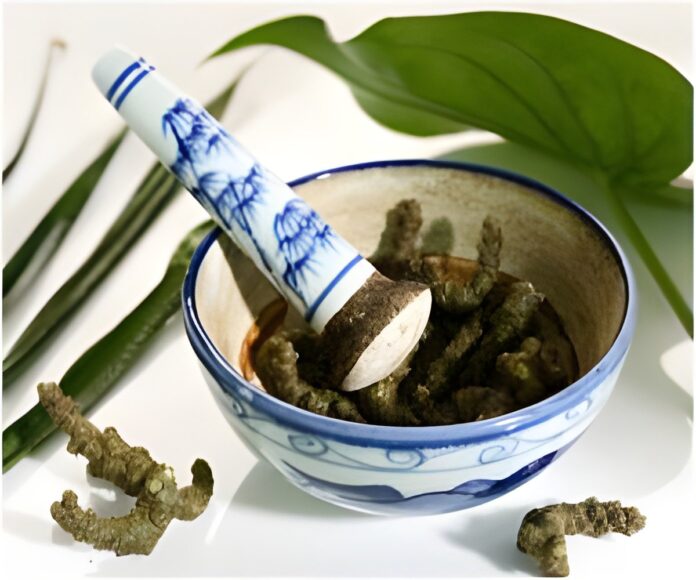
On World Osteoporosis Day 2025, the Ministry of Ayush urges holistic practices to strengthen bones and prevent fractures.
Marking World Osteoporosis Day 2025, the Ministry of Ayush has emphasized the importance of preventive healthcare and lifestyle-based solutions to combat osteoporosis, a silent public health concern that often remains undetected until a fracture occurs. ()
Osteoporosis: A Dual View on Bone Weakening—Hormones vs. Vata Dosha
Osteoporosis, often called the “silent disease,” gradually weakens bones, increasing the risk of fractures in the hip, spine, and wrist. While modern medicine attributes the condition to hormonal changes and age-related bone demineralization, Ayurveda links it to the vitiation of Vata dosha, which reduces bone density and strength.
Prof. Rabinarayan Acharya, Director General of the Central Council for Research in Ayurvedic Sciences (CCRAS), said that osteoporosis is a growing challenge that can be effectively managed through Ayurveda’s preventive and restorative framework.
He highlighted that the classical concept of Asthi Saushirya in Ayurveda aligns closely with modern medical understandings of bone fragility. CCRAS is currently conducting scientific validation of Ayurvedic formulations such as Laksha Guggulu and Pravala Pishti for managing musculoskeletal conditions.
Key Ayurvedic Interventions for Osteoporosis Management
According to the Ministry, Ayurveda provides a comprehensive approach to bone health:
- Rejuvenate therapy (Rasayana): Strengthens the skeletal system in early stages of bone weakening.
- Therapeutic massage (Snehana): Using medicated oils like Mahanarayana Taila and Bala Lakshadi Taila, massages nourish deep tissues and improve bone and joint health.
- Herbal preparations: Formulations such as Laksha Guggulu, Maha Yogaraj Guggulu, Pravala Pishti, and Mukta Shukti Bhasma are traditionally used to enhance bone strength and promote healing.
A Vata-pacifying diet and lifestyle also play a key role in maintaining bone health. Recommended foods include horse gram, ginger, garlic, green gram, ash gourd, and fruits such as pomegranate, mango, and grapes. Additionally, yoga and moderate exercise help improve flexibility, promote blood circulation to joints, and prevent age-related stiffness.
Integrating Ayurvedic Practices for Healthy Aging and Fracture Prevention
The Ministry of Ayush urged citizens, particularly elderly individuals and post-menopausal women, to integrate these Ayurvedic practices into their daily routines to reduce the risk of fractures and support healthy ageing. By combining balanced nutrition, gentle physical activity, and timely interventions, osteoporosis can be managed naturally and effectively.
“Ayurveda’s holistic approach empowers individuals to strengthen bones, improve overall vitality, and age gracefully, while reducing dependence on aggressive treatments,” the ministry stated.
World Osteoporosis Day serves as a reminder of the importance of proactive bone health, encouraging preventive measures that blend traditional wisdom with modern scientific understanding.
References:
- World Osteoporosis Day 2025- Ayurveda Offers Holistic Pathways to Strengthen Bones and Prevent Fragility – (https://www.pib.gov.in/PressReleasePage.aspx?PRID=2180847)
Source-Medindia