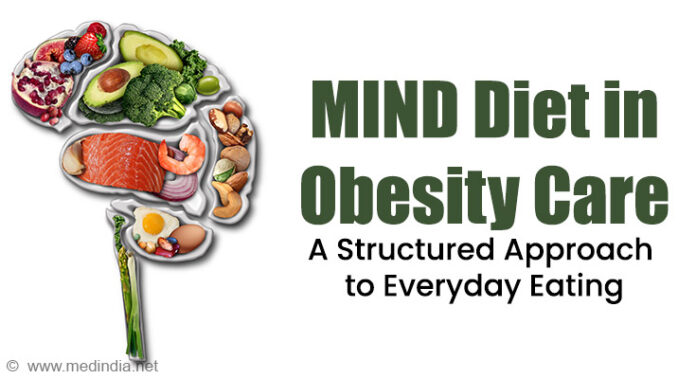
A structured dietary approach is being evaluated to understand its potential impact on weight, mental well-being, and gut microbiota.
- A brain-focused dietary pattern is being tested for feasibility in adults with obesity
- Gut bacteria, stress, and eating habits are being monitored together over time
- The program focuses on whether a brain-supportive diet can be followed in daily life
A Mediterranean-DASH Intervention for Neurodegenerative Delay (MIND) eating pattern is being evaluated for its practicality, acceptability, and feasibility among adults living with obesity (1✔ ✔Trusted Source
Exploring the interplay between diet, obesity, mental health, and the gut microbiota: the MIND-GUT intervention study, study protocol
Go to source
).
A protocol detailing this ongoing work was published in the journal Frontiers in Nutrition, outlining how the dietary approach will be tested and assessed.
Findings from this initiative are expected to generate feasibility insights and early evidence to guide future trials exploring relationships among dietary patterns, gut microbiota composition, mental well-being, and obesity, with the goal of supporting both physical and psychological health.
TOP INSIGHT

Did You Know?
The #MINDdiet, rich in #antioxidant-packed plant foods and unsaturated fats, proved feasible for adults with obesity, supporting its potential for long-term dietary adherence. #nutrition #obesity #medindia
Obesity, Mental Health, and Dietary Connections
Mental health conditions and obesity commonly coexist, contributing to individual distress and rising public health expenditures. Although the biological and behavioral pathways linking these conditions are not fully understood, accumulating evidence indicates that dietary habits influence both body weight regulation and emotional health.
Over the past twenty years in Sweden, rates of overweight and obesity have consistently risen, especially among younger adults. Currently, more than half of the adult population exceeds a healthy body weight, with notable disparities based on sex, country of birth, and educational attainment. These patterns highlight an urgent need for preventive approaches that simultaneously address mental and physical health challenges.
Gut Microbiome and Psychological Pathways
Weight loss achieved through dietary changes has been linked to improved mood among individuals with obesity. Beyond weight reduction, mental health benefits may also stem from interactions between diet and the gut microbiota.
Dietary patterns strongly influence gut microbial composition, which plays a role in metabolic control as well as pathways associated with stress responses and mood regulation. These interactions provide a biological basis for exploring diet as a tool for improving both mental and metabolic outcomes.
Nutrition Choices for Cognitive and Metabolic Support
The Mediterranean-DASH Intervention for Neurodegenerative Delay diet emphasizes foods high in antioxidants, fiber, and unsaturated fats that support brain and gut function. Rather than fully merging Mediterranean and Dietary Approaches to Stop Hypertension eating patterns, this approach selectively focuses on components believed to enhance cognitive and metabolic health.
If demonstrated to be acceptable and feasible, this dietary pattern may offer a practical strategy to promote weight reduction and psychological well-being within the Swedish population.
Participant Recruitment Across Primary Care and Community
The MIND-GUT initiative is structured as a randomized clinical trial consisting of two groups: one receiving a MIND diet intervention and another receiving general healthy eating guidance. A total of 126 adults between 25 and 50 years of age with obesity will be enrolled from primary healthcare centers and community settings across the Västra Götaland Region in Sweden.
This sample size allows reliable feasibility assessment while accounting for anticipated participant dropout. Eligibility requires a body mass index of at least 30 kilograms per square meter, access to the internet, and commitment to completing all trial procedures. If enrollment proves difficult, the minimum body mass index may be adjusted to 27 kilograms per square meter.
Individuals using weight loss medications or diagnosed with conditions such as diabetes or polycystic ovary syndrome are excluded, as these factors could influence dietary adherence, gut microbiota, or mental health measures. Ethical approval has been secured, with informed consent procedures prioritizing confidentiality and participant autonomy.
Collection of Anthropometric and Blood Pressure Data
At the start of the trial and again after twelve weeks, trained personnel will collect physical data including body weight, height, body composition, blood pressure, and waist and hip measurements. Participants will also complete online questionnaires covering demographic information, lifestyle behaviors, psychosocial health, eating attitudes, gastrointestinal symptoms, and dietary intake.
Mental health outcomes are evaluated using validated self-report tools that assess anxiety, depressive symptoms, and perceived stress, rather than formal clinical diagnoses. Dietary adherence is tracked through a simplified checklist focusing on key elements of the MIND diet, administered at baseline, week six, and week twelve.
Structured Meal Plan for Intervention Group
Those assigned to the intervention group receive a structured meal plan emphasizing leafy vegetables, berries, olive oil, whole grains, legumes, nuts, poultry, and fish. Daily caloric intake is limited to 2,300 kilocalories for men and 1,900 kilocalories for women. The control group receives standard nutrition advice consistent with Swedish dietary recommendations, without emphasis on MIND-specific components.
Both groups are advised to reduce alcohol intake and avoid soft drinks. Ongoing engagement is supported through reminders, newsletters, and consultations. After the twelve-week period, participants take part in qualitative interviews to discuss acceptability, challenges, and potential improvements to the intervention.
Gut Microbiota Monitoring at Multiple Time Points
Stool samples are collected at baseline, week six, and week twelve to examine changes in gut microbiota. Participants store samples at home and postpone collection during periods of illness, fever, diarrhea, or antibiotic use to avoid skewed results. Laboratory processing is randomized to minimize batch-related variability.
Primary outcomes focus on feasibility indicators such as adherence, retention, and participant acceptance. Secondary outcomes include shifts in gut microbial profiles, anxiety levels, depressive symptoms, perceived stress, body weight, fat mass, waist-to-hip ratio, and body mass index. Analyses are exploratory and designed to inform future trials evaluating effectiveness.
Feasibility Assessment of the MIND Diet Intervention
This protocol assesses whether a dietary intervention centered on the MIND eating pattern can be realistically delivered to adults with obesity, serving as a critical step before broader implementation.
If successful, the findings could support the development of personalized nutrition strategies and inform public health policies that promote brain-supportive dietary habits. By addressing diet quality, emotional health, and gut microbiota together, this work lays the groundwork for future large-scale efforts targeting multiple aspects of obesity-related health.
In conclusion, evaluating the feasibility of a MIND-based dietary intervention represents a vital step toward integrated nutrition strategies that address obesity, mental well-being, and gut health together.
Reference:
- Exploring the interplay between diet, obesity, mental health, and the gut microbiota: the MIND-GUT intervention study, study protocol – (https://www.frontiersin.org/journals/nutrition/articles/10.3389/fnut.2025.1703255/full)
Source-Medindia